

How Antioxidants Control Inflammation: A Science Guide
Antioxidants modulate inflammation by neutralizing excess reactive oxygen species (ROS) before they can activate the pro-inflammatory signaling pathways, primarily NF-κB and MAPK, that drive cytokine production and tissue damage. When that ROS-driven inflammatory cycle is interrupted, the downstream cascade of TNF-α, IL-6, and IL-1β release slows, and protective responses through the Nrf2 pathway can engage. The practical bottom line: a plant-forward diet combined with bioavailability-aware supplementation can meaningfully lower low-grade chronic inflammation when it is part of a broader lifestyle strategy, not a standalone fix.
Quick orientation before we go deeper:
- NF-κB and MAPK are the main redox-sensitive switches that, when tripped by excess ROS, amplify cytokine output and sustain inflammation.
- Nrf2 is the body’s master protective switch, upregulating endogenous enzymes like superoxide dismutase (SOD), catalase, and glutathione peroxidase (GPx) when activated by certain dietary polyphenols.
- SOD and glutathione are your body’s first-line enzymatic defenses; vitamins C and E, curcumin, and polyphenols are the dietary reinforcements.
- Tryrevivify is built around this multimodal framework, combining SOD, prebiotic fiber, and polyphenols in a gel-based delivery designed to address the bioavailability problems that sink most single-ingredient supplements.
Prioritize diet first (Mediterranean-style, plant-heavy), choose supplements that address bioavailability, and avoid indiscriminate megadoses that risk tipping redox balance in the wrong direction.
Table of Contents
- How do antioxidants interrupt the inflammation cycle at the molecular level?
- What endogenous antioxidant systems does your body already run?
- Which dietary antioxidants have the strongest anti-inflammatory actions?
- What does the research actually show about antioxidants and inflammation?
- Why does bioavailability determine whether an antioxidant actually works?
- Where have antioxidants been studied clinically for inflammation control?
- What does a realistic, research-aligned antioxidant plan look like?
- What are the real risks of antioxidant overuse?
- How do researchers measure inflammation and oxidative stress in trials?
- What research gaps still need to be filled?
- How Tryrevivify’s design maps to the science
- Key Takeaways
- The evidence is clear enough to act on, but not simple enough to shortcut
- Tryrevivify: a bioavailability-focused option worth considering
- Primary sources and recommended further reading
How do antioxidants interrupt the inflammation cycle at the molecular level?
The relationship between oxidative stress and inflammation is a self-reinforcing loop, and understanding where antioxidants break it is the foundation of everything that follows.
Excess ROS, generated by mitochondria, activated immune cells, and environmental exposures, oxidize cysteine residues on the inhibitory protein IκB. That oxidation releases NF-κB, which migrates to the nucleus and transcribes genes for TNF-α, IL-6, IL-1β, and cyclooxygenase-2. Those cytokines then recruit more immune cells, which generate more ROS. MAPK cascades (p38, JNK, ERK) run in parallel, amplifying the same cytokine output. The inflammasome, particularly NLRP3, is also redox-sensitive: ROS prime its assembly and drive IL-1β maturation. The result is a cycle where oxidative stress and inflammation feed each other until tissue damage accumulates.
Antioxidants intervene at two distinct points. Direct scavengers like vitamins C and E work stoichiometrically: one molecule of vitamin C donates an electron to neutralize one ROS molecule, quenching the signal before it reaches NF-κB. Vitamin E does the same in lipid membranes, interrupting lipid peroxidation chains. These are fast, front-line interventions, but they are consumed in the process and must be continuously replenished.
Pathway modulators work differently and often more durably. Polyphenols such as curcumin, resveratrol, and quercetin do not simply scavenge ROS. They bind to and inhibit IKKβ (the kinase that phosphorylates IκB), directly blocking NF-κB nuclear translocation. They also activate Nrf2 by disrupting its inhibitor Keap1, triggering a transcriptional program that upregulates heme oxygenase-1 (HO-1), glutathione S-transferases (GSTs), SOD, catalase, and GPx. This is the difference between patching a leak and reinforcing the pipe.
The Nrf2 pathway deserves particular attention because it is the body’s amplified, self-sustaining protective response. A single polyphenol molecule can activate Nrf2 and trigger the synthesis of hundreds of antioxidant enzyme molecules, a catalytic leverage that stoichiometric scavengers cannot match. Curcumin, sulforaphane (from broccoli), and resveratrol are among the best-characterized Nrf2 activators in the literature.
Pro Tip: When evaluating any antioxidant supplement, ask whether it works as a direct scavenger, a pathway modulator, or an enzyme precursor. Each mechanism has a different speed of action, duration, and dose-response curve. A product combining all three types addresses the inflammation cycle at multiple nodes simultaneously.
Understanding how oxidation disrupts cellular communication helps clarify why no single antioxidant can fully control chronic inflammation on its own.
What endogenous antioxidant systems does your body already run?
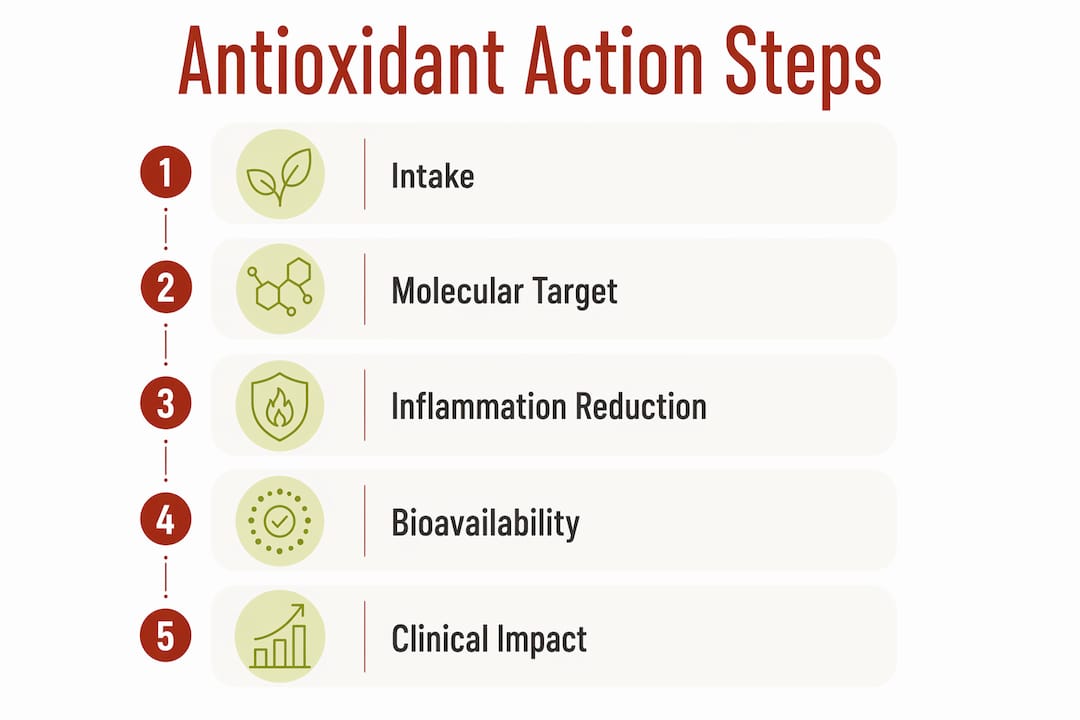
Your body does not wait for dietary antioxidants to arrive. It maintains a sophisticated enzymatic defense network that operates continuously, and supporting that network is mechanistically different from simply adding exogenous antioxidants.
The four major endogenous defenses:
- Superoxide dismutase (SOD): Think of SOD as the first runner in a relay team. It converts the highly reactive superoxide radical (O₂•⁻) into hydrogen peroxide (H₂O₂), which is far less reactive. Three isoforms exist: SOD1 (cytosolic, copper/zinc), SOD2 (mitochondrial, manganese), and SOD3 (extracellular). SOD2 is especially critical because mitochondria are the primary ROS source in chronic inflammation.
- Catalase: Converts H₂O₂ into water and oxygen, completing the relay that SOD started. Concentrated in peroxisomes.
- Glutathione peroxidase (GPx): Reduces both H₂O₂ and lipid hydroperoxides using glutathione as the electron donor. Multiple isoforms are distributed across the cytosol, mitochondria, and plasma.
- Glutathione (GSH): The central small-molecule antioxidant. GSH serves as the substrate for GPx, a cofactor for GSTs, and a direct scavenger of certain ROS. Intracellular GSH levels are a reliable proxy for overall redox status.
Compartmentalization matters here. Mitochondrial ROS (primarily from complexes I and III of the electron transport chain) are the dominant driver of chronic systemic inflammation, and SOD2 is the only enzyme positioned to neutralize superoxide at that source. When SOD2 activity declines, as it does under sustained metabolic stress or aging, mitochondrial ROS spill over and activate NF-κB in a sustained, low-grade pattern. That is the redox signature of metabolic syndrome, type 2 diabetes, and cardiovascular disease.
The clinical challenge with SOD specifically is delivery. Oral SOD is a protein and is largely digested before it reaches systemic circulation. This is why antioxidant enzyme immune support research has focused heavily on delivery platforms that protect enzymatic activity through the gastrointestinal tract. Gel-based matrices and encapsulation strategies are the leading approaches, and the evidence for their superiority over unprotected enzyme supplements is growing.
Which dietary antioxidants have the strongest anti-inflammatory actions?
Dietary antioxidants span several chemical classes, and their mechanisms differ enough that grouping them matters for understanding what each one actually does in the body.
Vitamins C and E
Vitamin C (ascorbic acid) is water-soluble and works in aqueous compartments, regenerating oxidized vitamin E and directly scavenging hydroxyl and superoxide radicals. Vitamin E (primarily alpha-tocopherol) is fat-soluble and embedded in cell membranes, where it interrupts lipid peroxidation chain reactions. Together they form a recycling pair: vitamin C donates electrons to regenerate vitamin E after it has neutralized a lipid radical.
Polyphenols: curcumin, resveratrol, quercetin, and flavonoids
This class does the most mechanistic work. Curcumin modulates both NF-κB and Nrf2, making it a dual-action compound with strong preclinical evidence and growing clinical data. Resveratrol activates SIRT1 and AMPK, pathways that suppress NF-κB and promote mitochondrial biogenesis. Quercetin inhibits phosphodiesterases and directly blocks IKKβ. Flavonoids as a class tend to be Nrf2 activators and mild NF-κB inhibitors, with effects that vary by subclass (flavones, flavonols, anthocyanins).
Carotenoids and omega-3s
Carotenoids (beta-carotene, lycopene, lutein) quench singlet oxygen and lipid radicals, primarily in lipid-rich tissues. Omega-3 fatty acids (EPA and DHA) are not classical antioxidants but are anti-inflammatory through a different route: they compete with arachidonic acid for cyclooxygenase and lipoxygenase, shifting eicosanoid production toward less inflammatory resolvins and protectins.
High-antioxidant food choices worth prioritizing:
- Berries (blueberries, strawberries, blackberries): anthocyanins and ellagic acid
- Leafy greens (spinach, kale): lutein, quercetin, vitamin C
- Cruciferous vegetables (broccoli, Brussels sprouts): sulforaphane (a potent Nrf2 activator)
- Nuts and seeds (walnuts, almonds, flaxseed): vitamin E, polyphenols, omega-3s
- Green tea: epigallocatechin gallate (EGCG), a well-studied NF-κB inhibitor
- Turmeric: curcuminoids (curcumin, bisdemethoxycurcumin, demethoxycurcumin)
| Compound | Primary mechanism | Common food sources | Evidence level |
|---|---|---|---|
| Vitamin C | Direct ROS scavenging (aqueous) | Citrus, bell peppers, kiwi | Human RCTs; meta-analyses |
| Vitamin E | Lipid peroxidation chain-breaking | Nuts, seeds, sunflower oil | Human RCTs; mixed results |
| Curcumin | NF-κB inhibition + Nrf2 activation | Turmeric | Preclinical strong; human RCTs emerging |
| Resveratrol | SIRT1/AMPK activation, NF-κB suppression | Red grapes, berries | Preclinical strong; human data limited |
| Quercetin | IKKβ inhibition, Nrf2 activation | Onions, apples, capers | Preclinical; small human RCTs |
| EGCG (green tea) | NF-κB inhibition, Nrf2 activation | Green tea | Preclinical strong; some human RCTs |
| Omega-3s (EPA/DHA) | Eicosanoid modulation | Fatty fish, flaxseed | Human RCTs; meta-analyses |
| Sulforaphane | Nrf2 activator | Broccoli, sprouts | Preclinical strong; early human trials |
Whole-food matrices amplify these effects in ways isolated compounds cannot replicate. Fiber in plant foods feeds gut bacteria that ferment polyphenols into bioactive metabolites (short-chain fatty acids, urolithins, equol) with their own anti-inflammatory properties. Diet-derived antioxidants shape gut microbiota composition and host metabolism, including glucose and lipid regulation, which are major drivers of metabolic inflammation. This is the mechanistic basis for combining polyphenols with prebiotic fiber, and why the role of fiber in gut inflammation reduction is increasingly central to antioxidant strategy.
What does the research actually show about antioxidants and inflammation?
The gap between in vitro promise and clinical reality is the defining challenge of antioxidant research. Here is an honest accounting.
| Compound | Condition studied | Preclinical outcome | Key human RCT/meta-analysis result | Evidence quality |
|---|---|---|---|---|
| Curcumin | Metabolic syndrome, OA, IBD | Reduces NF-κB, IL-6, TNF-α | Meta-analyses show CRP/IL-6 reductions; effect sizes vary by formulation | Moderate (formulation-dependent) |
| Omega-3s (EPA/DHA) | Cardiovascular, metabolic | Reduces eicosanoid inflammation | Meta-analyses show TNF-α reductions; context-dependent | Moderate-strong |
| Vitamin C | Sepsis, cardiovascular | Reduces oxidative markers | Mixed RCT results; high-dose IV shows some ICU benefit | Moderate (dose/route-dependent) |
| Vitamin E | Cardiovascular, diabetes | Reduces lipid peroxidation | Large RCTs (HOPE, GISSI) showed no CV mortality benefit | Low-moderate for hard endpoints |
| CoQ10 | Heart failure, metabolic syndrome | Improves mitochondrial function | Some RCTs show CRP reduction; inconsistent | Low-moderate |
| NAC | Respiratory, liver disease | Replenishes glutathione | Benefit in specific conditions (COPD, acetaminophen toxicity) | Moderate for specific indications |
| Polyphenol-rich extracts | Cardiometabolic, neuroinflammation | Broad anti-inflammatory | Some RCTs show biomarker improvement; heterogeneous | Low-moderate (varies by extract) |
The consistent clinical signals are clearest for curcumin (in bioavailable formulations) and omega-3s. Multiple systematic reviews and meta-analyses report that curcumin and certain polyphenols reduce CRP, IL-6, and TNF-α in humans, though effect sizes and consistency vary considerably by formulation and study quality.
Why do so many antioxidant trials fail to translate?
- Poor bioavailability: Curcumin’s oral bioavailability without a delivery enhancer is extremely low; unprotected SOD is digested before absorption.
- Heterogeneous dosing: Trials use wildly different doses, forms, and durations, making meta-analysis noisy.
- Short duration: Most RCTs run 8–12 weeks, which may be insufficient for clinical endpoints like cardiovascular events.
- Wrong biomarkers: Surrogate markers (CRP, IL-6) do not always predict clinical outcomes.
- Monotherapy design: Single-compound trials miss the synergistic effects of combined dietary patterns.
The “antioxidant paradox” captures this frustration: epidemiological studies consistently show that populations eating antioxidant-rich diets have lower rates of chronic disease, yet single-compound RCTs often fail. The explanation is almost always one of the above design flaws, not a failure of the underlying biology. For a deeper look at supplements studied for chronic inflammation, the evidence hierarchy matters as much as the compound itself.
Evidence quality tiers:
- Strong: Multiple RCTs plus meta-analyses with consistent direction (omega-3s for some inflammatory endpoints)
- Moderate: RCTs with positive signals but heterogeneous results (curcumin in bioavailable form, vitamin C in specific contexts)
- Suggestive: Small RCTs or surrogate-marker-only outcomes (resveratrol, quercetin, most polyphenol extracts)
- Preclinical only: Strong cell/animal data, no adequate human trials (sulforaphane, many phytochemicals)
Why does bioavailability determine whether an antioxidant actually works?
A compound can be the most potent NF-κB inhibitor ever tested in a cell culture dish and still do nothing in a human trial if it cannot survive digestion and reach target tissues at therapeutic concentrations. Bioavailability is the primary translational failure point for antioxidant supplements, and understanding the specific problems for each compound class helps you make smarter choices.
Common bioavailability problems:
- Curcumin: Poorly absorbed from the gut, rapidly metabolized by intestinal and hepatic enzymes, and quickly excreted. Standard curcumin powder reaches negligible plasma concentrations.
- SOD and other enzymes: Proteins are digested by proteases in the stomach and small intestine. Oral enzyme supplements without protective delivery typically show no measurable increase in systemic SOD activity.
- Resveratrol and quercetin: Rapidly conjugated and metabolized in the gut wall and liver; plasma half-lives are short, limiting sustained tissue exposure.
- Fat-soluble antioxidants (vitamin E, carotenoids): Require dietary fat for micellar solubilization and absorption; low-fat meals significantly reduce uptake.
Delivery strategies that improve systemic exposure:
- Piperine co-formulation: Black pepper extract (piperine) inhibits intestinal glucuronidation and increases curcumin bioavailability substantially in human pharmacokinetic studies.
- Lipid-based vehicles: Liposomes, nanoemulsions, and self-emulsifying drug delivery systems improve absorption of both fat-soluble and poorly water-soluble polyphenols.
- Nanoparticle encapsulation: Polymeric nanoparticles protect labile compounds from enzymatic degradation and extend release.
- Gel-based matrices: Protect fragile enzymes like SOD from gastric acid and proteases, preserving enzymatic activity through the GI tract and improving systemic exposure.
- Phospholipid complexes: Phytosome technology binds polyphenols to phosphatidylcholine, improving membrane permeability and absorption.
Pro Tip: When evaluating a supplement label, look for pharmacokinetic data, not just “enhanced absorption” marketing language. A credible product will cite a specific delivery technology (e.g., liposomal, phytosome, gel matrix) and ideally reference a human PK study showing measurable plasma concentrations. Third-party testing certificates confirm purity and potency but do not confirm bioavailability. Ask for both.
The practical implication: for whole-food sources of polyphenols, bioavailability is naturally assisted by the food matrix, co-consumed fats, and gut microbiota. For supplements, especially enzyme-based ones, the delivery system is not a marketing add-on. It is the mechanism.
Where have antioxidants been studied clinically for inflammation control?
Clinical research on antioxidants and inflammation spans several disease categories, and the strength of evidence varies considerably by condition.
Cardiometabolic disease: This is where the most human trial data exists. Omega-3s consistently improve endothelial function and reduce some inflammatory markers (CRP, TNF-α) in cardiovascular populations. Curcumin in bioavailable formulations has shown reductions in CRP and improvements in endothelial function in metabolic syndrome patients. SOD’s role in cardiovascular oxidative stress is well-documented mechanistically, though clinical trials with oral SOD are still limited by delivery challenges.
Osteoarthritis and inflammatory joint disease: Curcumin has the most consistent clinical data here, with several RCTs showing symptom reduction comparable to low-dose NSAIDs in knee osteoarthritis. Boswellic acids and certain flavonoids also show benefit in small trials.
Neuroinflammation: Preclinical data is compelling (resveratrol, curcumin, and EGCG all reduce neuroinflammatory markers in animal models), but human clinical endpoints are largely absent. The blood-brain barrier adds another bioavailability layer that most current formulations do not adequately address.
Inflammatory bowel disease (IBD): Curcumin has the strongest evidence here among phytochemicals, with RCTs showing benefit as an adjunct to standard therapy in ulcerative colitis. Omega-3s show modest benefit in Crohn’s disease in some trials.
Metabolic syndrome: Dietary patterns rich in polyphenols and fiber (Mediterranean diet, DASH diet) consistently improve inflammatory biomarkers (CRP, IL-6) and metabolic parameters. Prebiotic fiber supports metabolic health through gut-mediated pathways that reduce systemic inflammation. Individual supplement trials are more mixed.
Acute vs. chronic inflammation: a critical distinction. Antioxidants are most relevant to chronic, low-grade inflammation, the kind that smolders for years and drives cardiometabolic and neurodegenerative disease. Acute inflammation, such as the response to infection or injury, requires ROS for pathogen killing and tissue repair. Suppressing ROS during acute infection can impair immune function. This distinction matters enormously for timing and context of antioxidant use.
Clinical takeaway: For most people, antioxidant strategies are adjuncts to, not replacements for, conventional therapy in established disease. When symptoms are severe or a diagnosis is active, specialist referral and evidence-based medical treatment come first. Antioxidants work best as part of a sustained lifestyle strategy for prevention and low-grade inflammation management.
What does a realistic, research-aligned antioxidant plan look like?
Translating the mechanisms into daily practice requires prioritizing the interventions with the strongest evidence and the most favorable risk-benefit profiles.
1. Build the dietary foundation first. A Mediterranean-style or plant-forward dietary pattern is the single most evidence-supported intervention for reducing basal inflammation. It delivers polyphenols, fiber, omega-3s, vitamins C and E, and carotenoids in synergistic food matrices that no supplement can fully replicate.
2. Apply a dietary approach favoring antioxidant-rich plant foods while allowing some flexibility pragmatically. Consensus nutrition guidance favors antioxidant-rich plant foods prevailing over processed foods to manage low-grade inflammation. While there is no formal clinical 80/20 rule, consensus nutrition guidance favors a dietary approach favoring antioxidant-rich plant foods over processed foods to manage low-grade inflammation. This flexibility lowers the barrier to adherence while still shifting your overall dietary antioxidant load meaningfully upward.
3. Address the lifestyle drivers of oxidative stress. Diet alone cannot compensate for major pro-oxidant inputs. Regular aerobic and resistance exercise upregulates endogenous antioxidant enzymes (including SOD2) through hormetic ROS signaling. Poor sleep elevates cortisol and NF-κB activity. Chronic hyperglycemia generates advanced glycation end products (AGEs) that directly activate NF-κB. Glycemic control is one of the most underappreciated levers for reducing inflammation naturally.
4. Select supplements based on bioavailability evidence, not marketing.
- Prioritize formulations with documented delivery technology (liposomal, phytosome, gel matrix, piperine-enhanced).
- Start with modest daily doses rather than megadoses; the dose-response for antioxidants is not linear and high doses carry real risks (see the next section).
- Discuss drug-nutrient interactions with a clinician before adding supplements, especially if you are on anticoagulants, immunosuppressants, or chemotherapy.
5. Set realistic timelines.
- CRP and IL-6 changes are detectable in weeks to a few months with consistent dietary and supplement interventions.
- Clinical endpoints (symptom scores, disease progression) require months to years of sustained intervention.
- Biomarker testing at baseline and after 3–6 months gives you a meaningful signal without chasing noise.
6. Monitor the right markers. CRP (high-sensitivity), IL-6, and fasting glucose are the most practical starting points for tracking systemic inflammation. Oxidative stress markers (MDA, 8-OHdG) are available through specialty labs and add mechanistic context.
What are the real risks of antioxidant overuse?
The assumption that more antioxidants are always better is one of the most persistent and potentially harmful misconceptions in this field.
High-dose antioxidant trials with negative outcomes:
- The ATBC and CARET trials found that high-dose beta-carotene supplementation increased lung cancer risk in smokers.
- The SELECT trial showed that high-dose vitamin E (400 IU/day) increased prostate cancer risk in healthy men.
- High-dose vitamin C in some cancer contexts may interfere with pro-oxidant chemotherapy mechanisms.
Reductive stress: the underappreciated flip side. Modern reviews emphasize the shift from an “antioxidant-centric” model to a “redox-homeostasis” model. Excessive reducing equivalents can blunt essential ROS signaling, including the ROS bursts that immune cells use to kill pathogens and the redox signals that drive mitochondrial biogenesis and cellular repair. Reductive stress is not theoretical; it has been documented in cardiac tissue and is associated with protein misfolding and impaired autophagy.
Drug interactions worth knowing:
- Vitamin E and omega-3s can potentiate anticoagulant effects (warfarin, aspirin).
- High-dose vitamin C may interfere with certain chemotherapy agents.
- NAC can interact with nitroglycerin and some antibiotics.
- Curcumin inhibits CYP3A4 and P-glycoprotein, affecting the metabolism of many prescription drugs.
Antioxidants modulate immunity rather than suppress it wholesale. ROS are required for pathogen signaling and immune cell killing. The goal is restoring physiological redox balance, not eliminating ROS. This is why balanced, daily, multimodal support is mechanistically preferable to intermittent high-dose supplementation, and why the oxidative burden and tissue damage framework matters for understanding where the line sits.
Clinical warning: Always discuss antioxidant supplements with a qualified clinician if you are on prescription medications, pregnant or breastfeeding, managing a serious chronic disease, or undergoing cancer treatment. During active infection, high-dose antioxidant supplementation may impair the immune response your body needs.
This article is general health information, not medical advice. Confirm the approach that is right for your situation with a qualified healthcare professional.
How do researchers measure inflammation and oxidative stress in trials?
Understanding the biomarkers used in clinical trials helps you interpret study results and make sense of lab reports from your own clinician.
| Biomarker | What it measures | Practical interpretation |
|---|---|---|
| High-sensitivity CRP (hsCRP) | Systemic inflammation (liver-derived acute-phase protein) | Values above 3 mg/L suggest elevated cardiovascular and metabolic risk; most sensitive to dietary and lifestyle change |
| IL-6 | Pro-inflammatory cytokine activity | Elevated in metabolic syndrome, obesity, and chronic infection; responds to exercise and dietary interventions |
| TNF-α | Pro-inflammatory cytokine; NF-κB downstream | Elevated in inflammatory and autoimmune conditions; useful for tracking anti-inflammatory interventions |
| MDA (malondialdehyde) | Lipid peroxidation; end product of ROS attack on cell membranes | Elevated MDA indicates active oxidative stress; used in antioxidant supplement trials |
| 8-OHdG | Oxidative DNA damage | Sensitive marker of cumulative oxidative burden; available through specialty urine testing |
| SOD activity | Endogenous antioxidant enzyme capacity | Low SOD activity correlates with increased oxidative stress; can be measured in red blood cells |
| GPx activity | Glutathione peroxidase function | Reflects selenium status and overall antioxidant enzyme capacity |
| Total antioxidant capacity (TAC) | Aggregate plasma antioxidant potential | Useful for tracking dietary antioxidant load; less specific than individual markers |
Biomarkers have real limitations. CRP responds to acute events (infection, injury, stress) and shows diurnal variation, so a single measurement can be misleading. IL-6 has a short half-life and is sensitive to recent exercise. Assay differences across labs make absolute comparisons difficult. For personal health monitoring, trends over time with consistent testing conditions matter more than single data points. For clinical decisions, multiple markers plus patient-centered outcomes (symptoms, function, quality of life) are always preferable to a single surrogate.
Biomarker monitoring is most useful when you are making a specific dietary or supplement change and want to track the response over 3–6 months. It is less useful for day-to-day decisions or for confirming that a supplement is “working” based on a single post-intervention draw.
What research gaps still need to be filled?
The antioxidant-inflammation field has made significant mechanistic progress, but the clinical translation remains incomplete. These are the priority directions that would most improve the evidence base.
-
Standardized dosing and formulation trials. Head-to-head comparisons of delivery platforms (standard curcumin vs. piperine-enhanced vs. liposomal vs. phytosome) using identical doses and validated PK endpoints would resolve the formulation debate that currently makes meta-analyses nearly uninterpretable.
-
Longer-duration RCTs with clinical endpoints. Most trials run 8–12 weeks and measure surrogate biomarkers. Trials of 12–24 months with clinical outcomes (cardiovascular events, joint function scores, cognitive endpoints) would establish whether biomarker changes translate to meaningful health benefits.
-
Stratification by baseline redox status and genotype. Individuals with low baseline SOD activity, high oxidative stress burden, or specific polymorphisms in Nrf2 or SOD2 genes may respond very differently to the same intervention. Prespecified subgroup analyses by redox phenotype would identify who actually benefits.
-
Combined lifestyle plus supplement interventions. Trials that test diet plus exercise plus targeted supplementation against diet alone or supplementation alone would reflect real-world practice and likely show larger effect sizes than single-agent studies.
-
Validated bioavailability endpoints in every trial. Pharmacokinetic data (plasma concentrations, tissue distribution) should be a required endpoint in Phase II antioxidant trials, not an optional add-on. Without PK confirmation, a negative trial cannot distinguish between “the compound doesn’t work” and “the compound never arrived.”
-
Redox metabolomics and validated thresholds. The field lacks consensus on what constitutes pathological oxidative stress vs. physiological redox signaling. Developing validated metabolomic panels and threshold values would allow trials to enroll participants who are most likely to benefit and to detect reductive stress as a safety signal.
-
Head-to-head comparisons with conventional anti-inflammatory drugs. Direct comparisons of bioavailable curcumin or polyphenol combinations against low-dose NSAIDs or methotrexate in specific conditions (osteoarthritis, IBD) would clarify where antioxidant strategies can serve as genuine alternatives vs. adjuncts.
How Tryrevivify’s design maps to the science
At Tryrevivify, the product design was built around the translational obstacles this article has described, not around ingredient trends. Here is how each design choice connects to the mechanisms covered above.
Core ingredient-to-mechanism mapping:
- SOD: Supports the endogenous enzyme system at its most critical node, the mitochondrial superoxide-to-hydrogen peroxide conversion that, when impaired, drives chronic NF-κB activation. The challenge is delivery; unprotected oral SOD is digested before it reaches systemic circulation.
- Prebiotic fiber: Feeds gut microbiota that ferment polyphenols into bioactive anti-inflammatory metabolites (short-chain fatty acids, urolithins) and support the gut barrier. This is the gut-mediated anti-inflammatory pathway that whole-food research consistently validates.
- Polyphenols: Provide NF-κB inhibition and Nrf2 activation, the signaling-modulation layer that stoichiometric scavengers alone cannot deliver.
- Gel-based delivery: Addresses the bioavailability problem directly. Advanced delivery platforms are central to translating potent antioxidants into real clinical benefit because they protect fragile compounds and improve systemic exposure. The gel matrix protects SOD from gastric acid and proteases, preserving enzymatic activity through the GI tract.
What is proven and what is still under study: The mechanisms underlying each ingredient are well-established in the peer-reviewed literature. Human RCT data specifically for this combination and delivery format is an area of ongoing research, as it is for most novel formulations. Third-party testing confirms purity and potency; pharmacokinetic confirmation of systemic SOD activity in humans from this specific formulation is the next frontier.
Pro Tip: When evaluating any supplement for inflammation support, look for three things: a named delivery technology with mechanistic rationale, third-party testing documentation, and transparent disclosure of what has and has not been tested in human trials. A brand that tells you what it does not yet know is more trustworthy than one that claims everything is proven.
Key Takeaways
Antioxidants reduce chronic inflammation by interrupting ROS-driven activation of NF-κB and MAPK while activating Nrf2-mediated protective enzyme expression, and the most effective strategies combine dietary patterns, bioavailability-aware supplementation, and lifestyle changes rather than relying on any single compound.
| Point | Details |
|---|---|
| Mechanism is dual-track | Antioxidants work as direct ROS scavengers (vitamins C and E) and as signaling modulators (polyphenols, Nrf2 activators); combining both types addresses the inflammation cycle at multiple nodes. |
| Diet comes first | Mediterranean-style, plant-forward eating delivers polyphenols, fiber, and vitamins in synergistic matrices that isolated supplements cannot replicate; a dietary approach favoring antioxidant-rich plant foods while allowing some flexibility makes this sustainable. |
| Bioavailability determines clinical effect | Curcumin, SOD, and most polyphenols have poor oral bioavailability without a delivery technology; always prioritize formulations with documented absorption enhancement. |
| Megadoses carry real risks | High-dose single-antioxidant supplementation has produced harmful outcomes in multiple large trials; balanced, daily, multimodal support is safer and more effective than intermittent high-dose regimens. |
| Tryrevivify’s multimodal approach | Tryrevivify combines SOD, prebiotic fiber, and polyphenols in a gel-based delivery designed to address the bioavailability and enzyme-fragility problems that limit most single-ingredient supplements. |
The evidence is clear enough to act on, but not simple enough to shortcut
The science on antioxidants and inflammation has matured considerably. We now understand the molecular switches (NF-κB, Nrf2, NLRP3), the endogenous enzyme systems (SOD, catalase, GPx), and the specific ways dietary compounds modulate them. What the research also makes clear is that the “take a high-dose antioxidant and fix inflammation” model was always too simple.
What we find genuinely compelling about the current evidence is the convergence on multimodal strategies. The strongest signals in the literature come not from single compounds but from dietary patterns, combinations of polyphenols with fiber, and formulations that solve the bioavailability problem rather than ignoring it. That convergence is not a coincidence. Inflammation is a systems-level phenomenon, and addressing it requires systems-level thinking.
The part that most popular coverage gets wrong is the acute-vs.-chronic distinction. Antioxidants are not anti-infective agents. Using high-dose antioxidant supplements during an active infection to “boost immunity” is not supported by the evidence and may actually impair the oxidative burst your immune cells need. The appropriate context is chronic, low-grade, metabolically driven inflammation, the kind that accumulates quietly over years and underlies most of the chronic diseases that matter most in the United States.
Our honest read of the evidence: diet and lifestyle changes produce the most durable reductions in basal inflammation, supplements are meaningful adjuncts when they address bioavailability, and the field still needs better-designed trials with longer durations and clinical endpoints. We are not there yet, but the direction is clear.
Tryrevivify: a bioavailability-focused option worth considering
If the mechanisms in this article resonate with you and you are looking for a supplement that was designed around the translational science rather than the ingredient trend cycle, Tryrevivify is worth a close look.
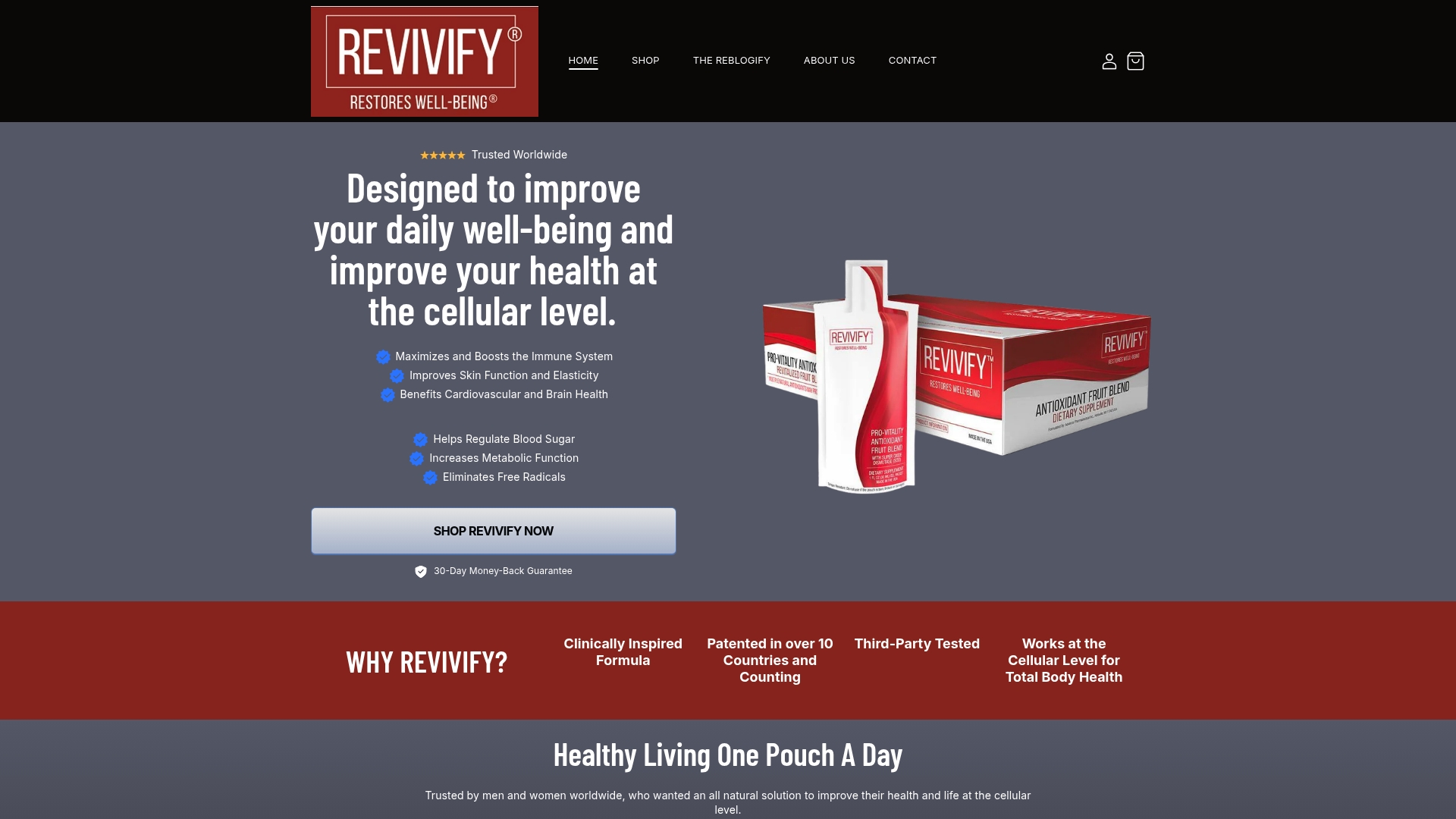
The formula combines SOD (the endogenous enzyme at the center of mitochondrial ROS control), prebiotic fiber (for gut-mediated anti-inflammatory pathways), and polyphenols (for NF-κB inhibition and Nrf2 activation) in a patented gel-based delivery that protects enzymatic activity through the GI tract. It is plant-based, third-party tested, and available with a risk-free guarantee and subscription options that make daily consistency easier to maintain.
The gel delivery is the design choice that sets it apart from standard capsule-based antioxidant supplements. Protecting SOD from gastric degradation is not a minor detail; it is the difference between a supplement that reaches systemic circulation and one that does not. That said, Tryrevivify is intended as a supplement to a balanced plant-forward diet and healthy lifestyle, not a substitute. Discuss it with your clinician, particularly if you are managing a chronic condition or taking prescription medications.
Explore Tryrevivify and review the third-party testing documentation and dosing information before you decide.
Primary sources and recommended further reading
The claims in this article are grounded in peer-reviewed research. These are the sources worth reading directly if you want to go deeper.
-
PMC review: Exploring the Interplay of Antioxidants, Inflammation, and Oxidative Stress: A comprehensive mechanistic review covering ROS-driven NF-κB/MAPK activation, Nrf2 pathways, and the clinical implications of SOD and curcumin. The best single starting point for understanding the core mechanisms.
-
Nature Reviews Molecular Cell Biology: Understanding mechanisms of antioxidant action in health and disease: High-authority review covering the shift from antioxidant-centric to redox-homeostasis models, gut microbiota connections, and the immunological role of ROS. Essential for researchers.
-
Frontiers in Pharmacology 2024: Potential use of antioxidants for the treatment of chronic inflammatory diseases: Focused on clinical translation, delivery platforms, and bioavailability as the central challenge. The most practically relevant source for supplement formulation questions.
-
MDPI Antioxidants: Plant-heavy diet guidance: Covers dietary antioxidant patterns and the evidence base for plant-forward eating in inflammation management. Useful for the practical recommendations section.
-
MDPI: Redox Imbalance in Inflammation: The key source for understanding reductive stress, the risks of high-dose supplementation, and why balanced multimodal support is preferred over antioxidant monotherapy.
-
MDPI: Therapeutic Strategies Targeting Oxidative Stress and Inflammation: Narrative review covering clinical evidence for curcumin, omega-3s, vitamin C/E, and polyphenols across multiple conditions. Good for the evidence summary and clinical applications sections.
-
Wiley: Antioxidant paradox discussion: The foundational paper on why single-compound antioxidant RCTs fail and what combination and personalized strategies offer instead. Required reading for anyone designing or interpreting antioxidant trials.
When making personal health decisions, prioritize peer-reviewed meta-analyses and RCTs over observational studies or mechanistic reviews alone. The evidence hierarchy matters as much as the compound.