

Antioxidant Enzyme Immune Support Benefits Explained
Antioxidant enzymes are defined as proteins your body produces to neutralize reactive oxygen species (ROS) and maintain redox homeostasis, the precise balance between oxidative activity and cellular protection. This balance is the foundation of antioxidant enzyme immune support benefits. When redox homeostasis holds, your immune system can use ROS as signaling molecules without letting them spiral into tissue damage. Key players in this system include glutathione, thioredoxin, superoxide dismutase (SOD), and the regulatory pathways Nrf2 and NF-κB. Understanding how these enzymes work gives you a real advantage when making decisions about your immune health.
1. How antioxidant enzymes regulate the immune response
Antioxidant enzymes do not simply mop up free radicals. They act as precision regulators of immune cell behavior. Redox homeostasis controls both the activation and the resolution of immune responses, meaning these enzymes determine when your immune system fires up and when it stands down.
The glutathione and thioredoxin enzyme systems are the two primary intracellular antioxidant networks. Glutathione, a tripeptide made from glycine, cysteine, and glutamate, maintains the reducing environment inside immune cells. Thioredoxin recycles oxidized proteins and keeps signaling molecules in their active state. Both systems feed into the Nrf2 pathway, which switches on antioxidant gene expression, and they modulate NF-κB, the master regulator of inflammatory cytokine production.
ROS are not purely destructive. Your immune cells deliberately produce ROS to kill pathogens, activate T cells, and trigger inflammation. The problem arises when ROS production outpaces enzymatic control. At that point, oxidative stress damages immune cell membranes, impairs DNA repair, and disrupts cytokine signaling.
Here is what the enzyme systems specifically regulate:
- Glutathione peroxidase reduces hydrogen peroxide inside immune cells, preventing lipid peroxidation
- Thioredoxin reductase recycles oxidized thioredoxin, keeping antioxidant capacity active
- Superoxide dismutase (SOD) converts superoxide radicals into hydrogen peroxide as the first step in a two-stage detox relay
- Catalase then breaks hydrogen peroxide into water and oxygen, completing the process
Pro Tip: Think of SOD as the first runner in a relay race. It hands off a less dangerous molecule to catalase, which finishes the job. Neither enzyme works optimally without the other.
2. Glutathione’s specific immune support benefits
Glutathione is the most studied antioxidant enzyme system for immune function, and its benefits go well beyond general antioxidant activity. Glutathione controls T cell activation fidelity, meaning it determines whether a T cell mounts a full immune response or stays dormant. Without adequate glutathione, T cells struggle to proliferate and differentiate into the effector cells your body needs to fight infection.
Natural killer (NK) cells also depend on glutathione. NK cells are your immune system’s rapid-response units, capable of destroying virus-infected cells without prior sensitization. Glutathione deficiency reduces NK cell cytotoxic activity, leaving you more vulnerable during the early hours of an infection.
Macrophages, the immune cells that engulf and destroy pathogens, rely on glutathione for two reasons. First, it supports phagolysosomal competence, the ability of macrophages to digest what they capture. Second, it regulates macrophage polarization between pro-inflammatory (M1) and anti-inflammatory (M2) states. Disrupted glutathione levels push macrophages toward chronic inflammation rather than controlled defense.
Clinical evidence reinforces these mechanisms:
- COVID-19 severity correlates with glutathione deficiency; restoring glutathione levels improves immune outcomes and reduces organ damage
- Tuberculosis patients show significantly lower glutathione levels, and supplementation studies link glutathione restoration to better antimicrobial responses
- Cytokine regulation depends on glutathione; deficiency allows unchecked cytokine production, contributing to inflammatory cascades
These findings make glutathione one of the most clinically relevant targets for immune support, particularly in people dealing with chronic or recurrent infections.
3. Extracellular redox balance and tissue immune regulation
Most people think of antioxidant enzymes as working inside cells. The extracellular space matters just as much. Extracellular ROS modulates receptor responsiveness, immune cell migration, and the inflammatory tone of tissues. When this balance breaks down, chronic inflammation takes hold even without an active infection.
Antioxidant enzymes secreted into the extracellular space, including extracellular SOD (EC-SOD), create localized redox buffers around immune cells. These buffers allow controlled ROS signaling while preventing oxidative spillover into surrounding tissue. The spatial precision here is critical. A burst of ROS in one location can activate a dendritic cell without damaging the epithelial cells next to it, but only if extracellular enzyme activity is intact.
| Redox condition | Immune outcome |
|---|---|
| Controlled extracellular ROS | Proper immune cell activation and migration |
| Excess extracellular ROS | Chronic inflammation and tissue damage |
| Insufficient extracellular ROS | Impaired pathogen detection and immune signaling |
| Localized enzymatic buffering | Preserved tissue integrity and regulated response |
Localized redox buffering by extracellular enzymes outperforms broad systemic antioxidant approaches. This is a key reason why flooding your system with high-dose antioxidant supplements does not replicate what your body’s own enzyme network does.
Pro Tip: Supporting your body’s extracellular SOD activity through regular exercise and adequate sleep is more targeted than any oral antioxidant supplement. Both practices upregulate endogenous enzyme expression.
4. Why more antioxidants are not always better
The biggest misconception in immune nutrition is that more antioxidants equal stronger immunity. Indiscriminate high-dose supplementation can actually blunt immune signaling by suppressing the ROS your immune cells need to function. This is not a theoretical concern. Excess antioxidant intake has been shown to impair neutrophil killing capacity and reduce the effectiveness of vaccine-induced immune responses.
Here is a practical framework for thinking about antioxidant enzyme support:
- Prioritize endogenous enzyme production. Your body makes glutathione, SOD, and catalase. Diet and lifestyle choices that support this production are more effective than supplements for healthy adults.
- Eat enzyme-supporting foods. Sulfur-rich vegetables like broccoli, garlic, and Brussels sprouts provide the cysteine precursors your body needs to synthesize glutathione. Brazil nuts supply selenium, a cofactor for glutathione peroxidase.
- Use exercise as a redox stimulus. Moderate aerobic exercise temporarily raises ROS, which triggers Nrf2 activation and upregulates antioxidant enzyme expression. This is hormesis working in your favor.
- Limit alcohol and processed foods. Both deplete glutathione stores and increase oxidative load, forcing your enzyme systems to work harder with fewer resources.
- Consider clinical supplementation selectively. Digestive enzyme supplements are appropriate for conditions like exocrine pancreatic insufficiency, but healthy adults gain little from them. The same logic applies to antioxidant enzyme supplements: targeted use in deficiency states makes sense; blanket use does not.
Supporting natural glutathione synthesis through diet and lifestyle consistently outperforms generic antioxidant supplementation for long-term immune resilience. This is the evidence-based consensus from clinical nutrition researchers in 2026.
5. How antioxidants for immune function connect to cellular health
Antioxidant enzymes do not work in isolation. They connect to broader cellular health systems that determine how well your immune cells function over time. Endogenous enzymatic systems and dietary phytochemicals interact dynamically based on your individual health status, age, and stress load. This means the right approach for you depends on your specific biology, not a one-size-fits-all supplement protocol.
Cellular health and immune function share a common currency: mitochondrial integrity. Mitochondria produce ATP for immune cell activation and also generate ROS as a byproduct. Antioxidant enzymes like manganese SOD (MnSOD) sit inside mitochondria specifically to manage this ROS output. When MnSOD activity drops, mitochondrial ROS accumulates, immune cell energy production falls, and the cells lose their ability to mount effective responses.
You can support this system through daily practices for immune strength that target both oxidative stress and cellular energy. Consistent sleep, stress management, and a diet rich in polyphenols all activate Nrf2 and support antioxidant enzyme expression. These are not optional lifestyle extras. They are the primary inputs your enzyme systems depend on.
6. Enzyme-rich antioxidant foods and dietary sources
Food is your most reliable source of antioxidant enzyme support. Certain foods directly supply enzyme cofactors or precursors that your body converts into active antioxidant enzymes. Others activate the gene pathways that increase enzyme production.
The most effective dietary sources include:
- Avocados and asparagus: High in glutathione precursors and direct glutathione content
- Broccoli and kale: Contain sulforaphane, a potent Nrf2 activator that upregulates glutathione synthesis
- Walnuts and sunflower seeds: Rich in vitamin E, which works synergistically with glutathione peroxidase
- Organ meats and legumes: Provide zinc and copper, the cofactors for cytosolic SOD (Cu/ZnSOD)
- Brazil nuts: One or two per day supplies the selenium needed for glutathione peroxidase activity
Cooking method matters. Steaming broccoli preserves more sulforaphane than boiling. Raw garlic retains more allicin, which supports glutathione synthesis, than cooked garlic. These are small choices that add up to meaningful differences in your enzyme system’s capacity.
Fertility and reproductive health research also highlights the role of antioxidant enzymes in broader cellular protection. Evidence-based supplement reviews in reproductive medicine consistently identify glutathione and SOD as key protective factors for cellular integrity, reinforcing their relevance beyond immune function alone.
7. When to consider supplemental antioxidant enzyme support
Supplementation makes sense in specific circumstances. Healthy adults with a balanced diet and active lifestyle rarely need antioxidant enzyme supplements. The picture changes for people with chronic illness, high oxidative stress loads, or documented deficiencies.
Circumstances where supplemental support is clinically reasonable include persistent infections that do not resolve normally, recovery from surgery or serious illness, chronic inflammatory conditions like rheumatoid arthritis, and aging-related decline in endogenous enzyme production. Older adults produce less glutathione and SOD than younger people, which partly explains why immune responses weaken with age.
When choosing a supplement, the form matters. Liposomal glutathione has better bioavailability than standard oral glutathione, which breaks down in the digestive tract before reaching cells. SOD supplements face a similar challenge: the enzyme is a large protein that standard digestion degrades. Formulations that protect the enzyme through the digestive process, or that supply SOD precursors instead, are more likely to reach target tissues intact.
At Tryrevivify, we built our formula around this exact problem. Tryrevivify combines superoxide dismutase with prebiotic fiber in a patented formula designed to support your body’s antioxidant enzyme activity at the cellular level. You can learn more about managing oxidative stress effectively to understand how this approach fits into a broader immune support strategy.
Key takeaways
Antioxidant enzyme immune support benefits depend on maintaining redox homeostasis, where enzymes like glutathione and SOD regulate ROS precisely rather than eliminating them entirely.
| Point | Details |
|---|---|
| Redox balance drives immunity | Antioxidant enzymes regulate ROS to enable immune signaling without causing oxidative damage. |
| Glutathione is central | Glutathione deficiency impairs T cells, NK cells, and macrophages, worsening infection outcomes. |
| Extracellular enzymes matter | Localized extracellular redox buffering protects tissue integrity better than systemic antioxidant approaches. |
| More is not better | High-dose antioxidant supplements can suppress beneficial ROS and impair immune cell function. |
| Diet and lifestyle come first | Sulfur-rich foods, selenium, exercise, and sleep support endogenous enzyme production more reliably than supplements. |
My take on antioxidant enzymes and immune health
Why I think the supplement industry gets this wrong
The framing around antioxidants has always bothered me. The industry sells them as if oxidation is the enemy and more antioxidants are always the solution. That framing is wrong, and the science has been clear about it for years.
What I have come to understand is that your immune system needs ROS. It uses them deliberately. The goal is not to suppress oxidation. The goal is to keep it in the right place, at the right time, at the right level. That is what your antioxidant enzymes do. They are not a fire suppression system. They are a fire management system.
The practical implication is that you should be skeptical of any supplement claiming to “flood your body with antioxidants.” That language signals a misunderstanding of the biology. What actually works is supporting the enzyme systems your body already has. Eat the broccoli. Get the sleep. Manage the stress. And if you do supplement, choose formulas that work with your biology rather than against it.
The most promising direction I see is targeted enzymatic support, specifically SOD and glutathione-pathway support, delivered in forms that survive digestion. That is where the real immune support benefits live. Generic antioxidant blends are not in the same category.
— Larry
Tryrevivify and cellular antioxidant enzyme support
Antioxidant enzyme support works best when it reaches your cells intact. Most oral supplements do not survive digestion long enough to matter.
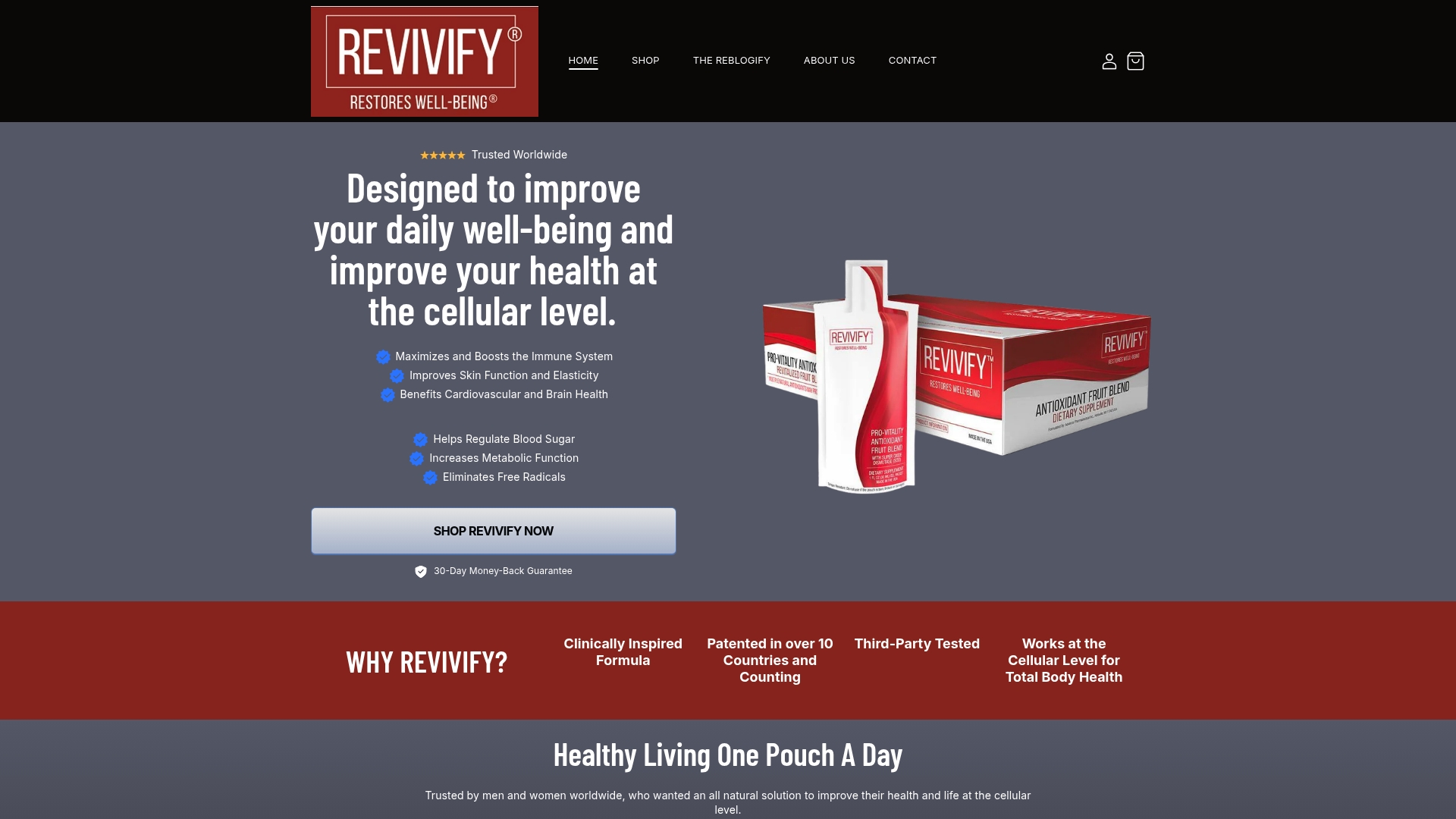
Tryrevivify addresses this directly. Its patented formula pairs superoxide dismutase with prebiotic fiber, supporting your body’s antioxidant enzyme activity at the cellular level rather than just flooding your system with generic antioxidants. If you are serious about rebuilding immune health through evidence-based cellular support, Tryrevivify is worth a close look. Visit tryrevivify.com to see the full formula and learn how it fits your daily health routine.
FAQ
What are antioxidant enzyme immune support benefits?
Antioxidant enzyme immune support benefits include regulated immune cell activation, reduced oxidative damage to immune tissues, and improved function of T cells, NK cells, and macrophages. These benefits come from enzymes like glutathione and SOD maintaining redox homeostasis rather than simply suppressing all ROS.
How does glutathione support the immune system?
Glutathione controls T cell activation, NK cell cytotoxic activity, and macrophage polarization. Glutathione deficiency is linked to worse outcomes in COVID-19 and tuberculosis, and restoring glutathione levels improves immune responses.
Can you get too many antioxidants?
Yes. High-dose antioxidant supplementation can suppress the ROS your immune cells need to kill pathogens and activate immune responses. Redox homeostasis requires balance, not maximum antioxidant saturation.
What foods support antioxidant enzyme production?
Broccoli, garlic, avocados, Brazil nuts, and organ meats supply the precursors and cofactors your body needs to produce glutathione, SOD, and glutathione peroxidase. Steaming vegetables and eating some foods raw preserves more of these active compounds.
Are digestive enzyme supplements the same as antioxidant enzymes?
No. Digestive enzymes break down food in the gut and are appropriate for specific conditions like exocrine pancreatic insufficiency. Antioxidant enzymes operate inside and around immune cells to manage oxidative stress and are a separate category entirely.