

Fiber for Gut Inflammation Reduction: What You Need to Know
Dietary fiber is defined as the indigestible plant material that feeds your gut microbiome and directly reduces gut inflammation through microbial and immune pathways. The benefits of fiber for gut inflammation reduction are well documented: clinical research shows that functional fiber supplementation produces a 42.1% reduction in hs-CRP, a key systemic inflammation marker. Fiber achieves this by fueling beneficial gut bacteria, which convert fiber into short-chain fatty acids (SCFAs) like butyrate. Those SCFAs then regulate immune responses and reinforce the gut lining. Understanding this chain reaction is the first step toward using food as a real tool against chronic gut inflammation.
1. Which fiber types are most effective at reducing gut inflammation?
Not all fiber works the same way. The two main categories are soluble fiber, which dissolves in water and forms a gel, and insoluble fiber, which does not dissolve and adds bulk to stool. Both matter for gut health, but soluble fiber carries the strongest anti-inflammatory credentials.
Fermentable fibers sit within the soluble category and deserve special attention. These are the fibers your gut bacteria actually digest, producing SCFAs in the process. The most studied fermentable fibers include:
- Inulin: Found in chicory root, garlic, and onions. Research links higher inulin intake to reduced Crohn’s disease risk with a hazard ratio of 0.68, alongside lower levels of inflammation proteins like CRP and MMP-9.
- Beta-glucan: Found in oats and barley. Clinical data shows beta-glucan intake correlates with a hazard ratio of 0.70 for Crohn’s disease risk reduction and measurable drops in inflammatory biomarkers.
- Psyllium husk: A soluble fiber from the Plantago ovata plant, widely used to support regularity and lower cholesterol, with secondary anti-inflammatory effects.
- Pectin: Found in apples and citrus fruits. Pectin feeds Bifidobacterium and Lactobacillus species, which produce anti-inflammatory compounds.
Insoluble fiber from whole grains, nuts, and vegetable skins supports gut motility and prevents the stagnation that can worsen inflammation. Think of it as the cleanup crew that keeps things moving while soluble fiber handles the immune signaling.
Pro Tip: If you want the fastest anti-inflammatory return from fiber, start with oats and chicory-based foods. They deliver beta-glucan and inulin together, giving your gut bacteria two potent fermentable fuels at once.
2. How fiber nourishes the gut microbiome to lower inflammation
Fiber acts as the primary fuel source for your gut microbiome. Without adequate fiber, beneficial bacterial populations shrink, microbial diversity drops, and the gut lining weakens. That sequence is a direct pathway to chronic gut inflammation.
“Gut microbes digest fiber to produce short-chain fatty acids that reduce systemic inflammation and enhance gut barrier function, protecting against disease.” — Stanford Medicine
The mechanism works in three steps:
- Fermentation: Bacteria like Faecalibacterium prausnitzii and Bifidobacterium ferment soluble fiber in the colon, producing SCFAs including butyrate, propionate, and acetate.
- Immune regulation: Butyrate binds to receptors on immune cells and signals them to reduce pro-inflammatory cytokine production. It also promotes regulatory T-cells, which keep immune responses from overreacting.
- Gut barrier reinforcement: Butyrate is the primary energy source for colonocytes, the cells lining your colon. Well-fed colonocytes maintain tight junctions between cells, preventing bacterial toxins from leaking into the bloodstream and triggering systemic inflammation.
Clinical evidence confirms this chain. Fiber supplementation combined with exercise produced a 50% increase in fecal butyrate levels and a 12.8% increase in Shannon diversity index in sedentary adults. Higher microbiome diversity means more bacterial species producing more varied anti-inflammatory compounds. You can read more about this process in this guide to gut microbiome and digestion.
3. Practical strategies to increase fiber intake for inflammation control
The goal is not just eating more fiber. The goal is eating the right fiber, in the right amounts, in a way your gut can handle. Abrupt increases in fiber intake cause bloating, gas, and cramping because your microbiome needs time to adapt.
The most effective whole-food fiber sources for reducing gut inflammation include:
- Legumes: Lentils, black beans, and chickpeas deliver both soluble and insoluble fiber along with polyphenols that amplify anti-inflammatory effects.
- Oats: One of the richest sources of beta-glucan, with a well-established record of lowering CRP and supporting microbiome diversity.
- Vegetables: Artichokes, leeks, asparagus, and garlic are high in inulin-type fructans that directly feed anti-inflammatory bacteria.
- Fruits: Apples, pears, and berries provide pectin and polyphenols. A high-fiber diet rich in whole plant foods works synergistically with antioxidants to reduce chronic inflammation through multiple pathways.
- Whole grains: Brown rice, quinoa, and whole wheat bread provide insoluble fiber that supports gut motility and prevents inflammatory stagnation.
Hydration is not optional when increasing fiber. Soluble fiber absorbs water to form its gel-like structure. Without enough fluid, it can slow digestion and cause discomfort rather than relief. Experts recommend a gradual ramp-up paired with adequate hydration as the standard approach for tolerability and sustained anti-inflammatory benefit.
Fiber supplements like psyllium husk or inulin powder can fill gaps, but they are not equivalent to whole-food fiber. Supplements often cause bloating or diarrhea when introduced rapidly and lack the nutritional complexity found in whole foods. Use them as a bridge, not a replacement.
Pro Tip: Add one new high-fiber food per week rather than overhauling your diet overnight. Your gut bacteria need two to four weeks to build the populations that ferment new fiber types efficiently.
4. How fiber affects inflammatory bowel disease and gut conditions
Inflammatory bowel disease (IBD), which includes Crohn’s disease and ulcerative colitis, represents the most severe end of gut inflammation. The relationship between fiber and IBD is nuanced and requires a more careful approach than general dietary advice.
The data on prevention is clear. Higher intake of beta-glucan and inulin fibers is associated with significantly lower risk of developing Crohn’s disease, with hazard ratios of 0.70 and 0.68 respectively. That is a meaningful reduction in risk for a condition that currently has no cure. Fiber’s role in maintaining gut lining integrity is central to this protective effect.
Managing fiber during active IBD flares requires more caution. The table below outlines the general evidence-based approach:
| IBD Phase | Fiber Approach | Rationale |
|---|---|---|
| Active flare | Low-residue, low-fiber diet short-term | Reduces mechanical irritation and stool volume |
| Remission | Gradual fiber reintroduction | Restores microbiome diversity and gut barrier function |
| Long-term management | Whole-food, anti-inflammatory diet | Sustains microbial diversity and reduces relapse risk |
Restricting fiber during flares may reduce symptoms short-term, but indefinite fiber restriction harms gut barrier integrity and microbiome diversity over time. The current evidence favors personalized, evidence-based reintroduction plans rather than permanent avoidance. Dietary management of IBD is shifting toward whole-food, anti-inflammatory diets with individualized fiber protocols that balance symptom control and long-term gut health. If you have IBD, work with a gastroenterologist before making significant fiber changes.
Each 1 g per 1,000 kcal increase in dietary fiber also correlates with a 4% drop in metabolic syndrome odds, primarily through lowering systemic inflammation measured by hs-CRP. That finding extends fiber’s anti-inflammatory relevance well beyond IBD to broader metabolic health.
5. Combining fiber with antioxidants for stronger anti-inflammatory results
Fiber alone is powerful. Fiber combined with antioxidants is more powerful. The anti-inflammatory effects of a high-fiber diet are amplified when whole plant foods also deliver polyphenols, vitamins C and E, and carotenoids alongside the fiber. These compounds attack inflammation through separate but complementary pathways.
Polyphenols in berries, dark leafy greens, and legumes act as prebiotics themselves, feeding beneficial bacteria and producing additional anti-inflammatory metabolites. Antioxidants neutralize free radicals that would otherwise trigger oxidative stress, a key driver of chronic systemic inflammation. The combination creates a feedback loop where better microbiome health reduces oxidative stress, and lower oxidative stress supports a healthier microbiome.
Managing inflammation with diet works best as a long-term pattern, not a short-term fix. Sustained healthy eating produces more lasting anti-inflammatory effects than any isolated food component. Consistency over months matters more than perfection on any single day. For a deeper look at what drives chronic inflammation in the first place, the triggers of chronic inflammation article is worth reading alongside this one.
Key takeaways
Dietary fiber reduces gut inflammation most effectively when it comes from diverse whole-food sources, is introduced gradually, and is paired with adequate hydration and antioxidant-rich foods.
| Point | Details |
|---|---|
| Fermentable fibers lead the way | Inulin and beta-glucan produce the strongest reductions in inflammation markers like hs-CRP and TNF-α. |
| SCFAs are the core mechanism | Butyrate produced from fiber fermentation regulates immune cells and repairs the gut lining. |
| Gradual intake increase is non-negotiable | Rapid fiber increases cause bloating; a slow ramp-up paired with hydration maximizes benefit. |
| IBD requires personalized fiber plans | Fiber restriction during flares is short-term only; long-term restriction harms microbiome diversity. |
| Whole foods outperform supplements | Whole-food fiber delivers nutritional complexity that isolated supplements cannot replicate. |
Why I think most people are getting fiber completely wrong
Most people treat fiber as a digestion fix. They reach for a fiber supplement when things feel off, take it for a week, and move on. That approach misses the entire point.
Fiber is not a remedy. It is infrastructure. Your gut microbiome is a living ecosystem that requires consistent, varied fuel to maintain the bacterial populations that produce butyrate and regulate your immune system. A one-week psyllium husk experiment does not build that ecosystem. Years of consistent whole-food fiber intake does.
What I have seen repeatedly is that people focus on total fiber grams and ignore fiber diversity. Eating 30 grams of fiber from white bread and processed cereals is not the same as eating 25 grams from lentils, oats, garlic, and berries. The bacterial species that produce the most potent anti-inflammatory SCFAs are specialists. They need specific fiber types to thrive. Variety in your fiber sources is not a bonus. It is the mechanism.
The other thing most articles skip is the antioxidant pairing. Fiber reduces inflammation from one direction. Antioxidants reduce it from another. A supplement like Tryrevivify, which combines prebiotic fiber with superoxide dismutase, addresses both pathways simultaneously. That is not a coincidence. It reflects how the science actually works at the cellular level.
If you are serious about reducing gut inflammation, commit to a six-month dietary shift toward whole-food fiber diversity. Track how you feel at the 30-day, 60-day, and 90-day marks. The changes are real, but they are not instant. Patience and consistency are the actual active ingredients.
— Larry
Tryrevivify and your fiber-based gut health routine
Dietary fiber lays the foundation for a less inflamed gut. What you pair with it determines how far that foundation takes you.
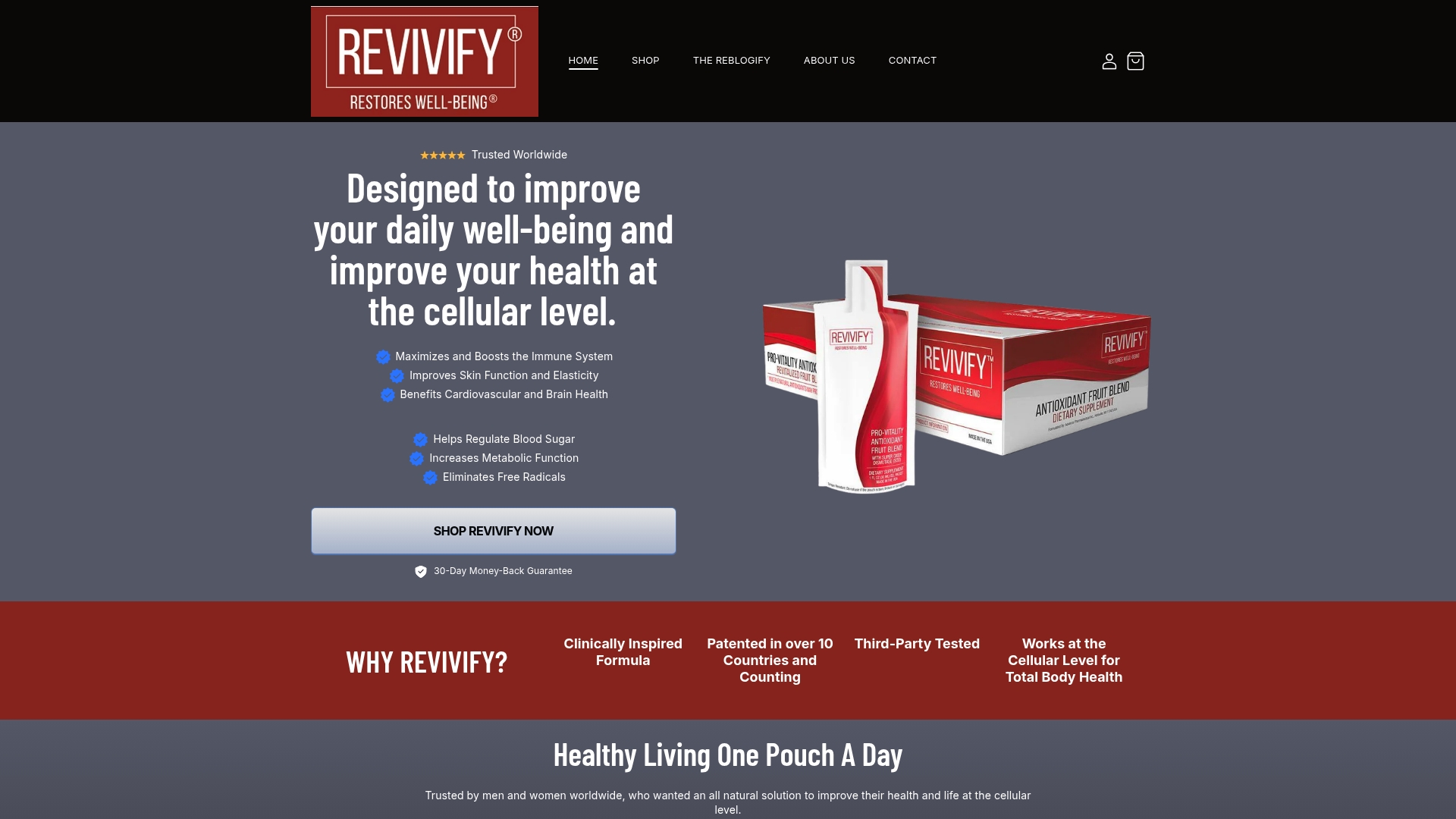
Tryrevivify is formulated to complement a fiber-rich diet by addressing gut inflammation at the cellular level. Its patented formula combines prebiotic fiber with superoxide dismutase (SOD), the body’s primary antioxidant enzyme, to fight free radicals and reduce oxidative stress alongside the anti-inflammatory work your diet is already doing. Prebiotic fiber in the formula feeds beneficial gut bacteria the same way whole-food fiber does, supporting SCFA production and gut barrier health. If you are building a consistent fiber routine and want cellular-level support to go with it, the Tryrevivify 30-Day Supply is a natural next step.
FAQ
What are the main benefits of fiber for gut inflammation?
Dietary fiber reduces gut inflammation by feeding beneficial gut bacteria that produce butyrate and other SCFAs, which regulate immune responses and reinforce the gut lining. Clinical studies show fiber supplementation can reduce hs-CRP by up to 42.1% and TNF-α by 28.6%.
Which fiber-rich foods fight gut inflammation most effectively?
Oats, lentils, chicory root, garlic, apples, and artichokes are among the most effective choices. They deliver fermentable fibers like beta-glucan and inulin that directly fuel anti-inflammatory bacterial activity in the colon.
How quickly does increasing fiber intake reduce gut inflammation?
Measurable changes in inflammation markers typically take several weeks to months of consistent intake. A gradual ramp-up over four to six weeks, paired with adequate hydration, produces the best results with the fewest side effects.
Is fiber safe for people with inflammatory bowel disease?
Fiber is generally beneficial for IBD prevention and long-term management, but short-term restriction during active flares may reduce symptoms. Evidence supports personalized, gradual fiber reintroduction during remission to restore microbiome diversity and gut barrier function.
Do fiber supplements work as well as whole-food fiber for reducing inflammation?
Fiber supplements like psyllium husk and inulin can help, but they lack the nutritional complexity of whole-food sources and are more likely to cause bloating if introduced too quickly. Whole-food fiber remains the preferred source for sustained anti-inflammatory benefit.