

Superoxide Dismutase Heart Protection Benefits Explained
Oxidative stress sits at the center of nearly every major cardiovascular disease. Yet most people focused on heart health are still reaching for vitamin C and E supplements while ignoring the enzyme your body actually deploys first. Superoxide dismutase heart protection benefits go far deeper than what generic antioxidants can offer. SOD is the first runner in your body’s antioxidant relay, neutralizing the most reactive free radicals before they can damage heart tissue, vessel walls, or the signaling systems that keep blood flowing properly. This article breaks down exactly how it works and what the science says.
Table of Contents
- Key takeaways
- 1. Superoxide dismutase heart protection benefits start with the right isoform
- 2. The catalytic reaction that makes SOD uniquely powerful
- 3. How SOD3 specifically protects your blood vessels
- 4. Protection against ischemia-reperfusion injury
- 5. SOD’s role in reducing cardiac inflammation
- 6. Cardiovascular and cognitive protection through systemic SOD activity
- 7. Superoxide dismutase diabetes benefits and cardiometabolic links
- 8. Why generic antioxidants fall short for heart protection
- 9. Practical steps to strengthen your own SOD activity
- My perspective on SOD and heart health
- Support your heart with targeted antioxidant nutrition
- FAQ
Key takeaways
| Point | Details |
|---|---|
| SOD is a precision enzyme | Unlike generic antioxidants, SOD targets superoxide radicals with enzymatic specificity, protecting heart tissue at the cellular level. |
| Three distinct isoforms exist | SOD1, SOD2, and SOD3 protect different compartments of heart cells, each requiring specific mineral cofactors to function. |
| Bioavailability limits direct supplementation | Oral SOD is degraded during digestion, making endogenous stimulation via Nrf2 pathways a more reliable strategy. |
| Mineral cofactors are non-negotiable | Zinc, copper, and manganese deficiencies directly impair SOD activity and reduce cardiovascular protection. |
| Early intervention matters most | Supporting SOD activity before irreversible vascular damage occurs dramatically improves long-term outcomes. |
1. Superoxide dismutase heart protection benefits start with the right isoform
Not all SOD is the same. Your body produces three distinct isoforms, and each guards a different compartment of your cardiovascular system.
- SOD1 (Cu/Zn-SOD): Found in the cytosol and nucleus of heart muscle cells. It neutralizes superoxide radicals produced during normal cellular metabolism.
- SOD2 (Mn-SOD): Located inside the mitochondria, where the highest concentration of free radical production occurs. SOD2 is arguably the most critical for cardiac tissue because the heart’s energy demands make mitochondria especially active.
- SOD3 (EC-SOD): Operates in the extracellular space and the walls of blood vessels. This isoform preserves nitric oxide signaling, which is the molecule responsible for relaxing and dilating blood vessels.
Think of these three isoforms as guards posted at three separate entry points. If any one position goes understaffed, oxidative damage slips through.
Pro Tip: Enzymatic antioxidant defense is fundamentally more precise than generic free radical scavenging. A molecule like vitamin C can neutralize some free radicals, but it cannot regulate redox-sensitive gene networks or selectively protect the mitochondrial environment the way SOD isoenzymes do.
2. The catalytic reaction that makes SOD uniquely powerful
SOD does not simply absorb free radicals the way a sponge absorbs water. It catalyzes a specific chemical reaction, converting superoxide radicals into hydrogen peroxide and molecular oxygen. That hydrogen peroxide is then handled by catalase and glutathione peroxidase. SOD is the initiating step. Without it, the entire downstream chain stalls.
What makes this reaction remarkable is its speed. SOD operates near the diffusion limit, meaning it neutralizes superoxide radicals almost as fast as the molecules can move toward it. No supplemental antioxidant pill can match that kinetic precision inside a living cell.
The mineral cofactors make this reaction possible. Zinc, copper, and manganese are embedded in the enzyme’s active site. Without adequate dietary intake of these minerals, the enzyme simply cannot function, regardless of how much SOD protein is present.
3. How SOD3 specifically protects your blood vessels
SOD3 deserves its own spotlight in any discussion of SOD heart health. It is the only isoform that operates outside of cells, positioned directly in the extracellular matrix of arterial walls. Its primary job is to protect nitric oxide (NO), and that matters enormously for cardiovascular function.

When superoxide radicals react with nitric oxide, they form peroxynitrite, a compound that damages vessel walls, promotes cardiac fibrosis, and has been directly linked to heart failure. SOD3 limits peroxynitrite formation, keeping nitric oxide available to signal smooth muscle relaxation and maintain healthy blood pressure.
When SOD3 activity declines, as it does with aging and chronic inflammation, vessels stiffen, blood pressure rises, and the risk of infarction climbs. This is a mechanistic pathway most discussions of antioxidants for heart health never address directly.
4. Protection against ischemia-reperfusion injury
Ischemia-reperfusion injury is what happens when blood flow returns to heart tissue after being cut off, such as during a heart attack or cardiac surgery. The sudden reintroduction of oxygen triggers a massive burst of superoxide radical production, causing more tissue damage than the ischemia itself in some cases.
SOD is central to limiting this damage. Animal studies using SOD-loaded nanoparticles showed meaningful reductions in infarct size and improved post-event cardiac function. The nanoparticle delivery method addresses the core challenge of getting SOD into cardiac tissue efficiently, something conventional oral supplements cannot accomplish on their own.
This research points to a future where SOD-based therapies could be administered acutely during cardiac events to significantly reduce permanent heart damage.
5. SOD’s role in reducing cardiac inflammation
Oxidative stress and inflammation reinforce each other in a feedback loop that drives most chronic heart disease. SOD interrupts that loop at the oxidative stress end. When superoxide radicals accumulate, they activate inflammatory signaling pathways including NF-kB, which promotes the production of pro-inflammatory cytokines that damage heart tissue over time.
By neutralizing superoxide radicals before they trigger these pathways, SOD delivers real superoxide dismutase inflammation benefits. It is not just reducing symptoms. It is blocking the upstream signal that makes inflammation self-perpetuating.
The superoxide dismutase anti-inflammatory mechanism operates differently from anti-inflammatory drugs, which typically block cytokine production directly. SOD works earlier in the cascade, which means less collateral interference with normal immune function.
6. Cardiovascular and cognitive protection through systemic SOD activity
The benefits of high SOD activity extend beyond the heart itself. Elevated SOD levels correlate inversely with risk of cerebral small vessel disease and vascular cognitive impairment, even after adjusting for traditional cardiovascular risk factors. The same oxidative damage that injures coronary arteries also affects the small vessels supplying the brain.
This means that protecting and supporting SOD activity is not just a cardiac strategy. It is a systemic vascular strategy with real implications for cognitive health as you age.
The inverse relationship between SOD and cardiac injury markers appears to be dose-dependent, meaning higher SOD activity produces proportionally greater protection across the vascular system.
7. Superoxide dismutase diabetes benefits and cardiometabolic links
Diabetes and cardiovascular disease share a common driver: chronic oxidative stress. Elevated blood glucose generates excess superoxide radicals that damage vessel walls, reduce nitric oxide availability, and accelerate atherosclerosis. This is why superoxide dismutase diabetes benefits and cardiac benefits are deeply connected.
People with diabetes often show measurably lower SOD activity, creating a compounding risk. When SOD function declines, Nrf2 pathway disruption reduces the expression of multiple protective antioxidant enzymes simultaneously, not just SOD. This cascade effect explains why diabetic cardiomyopathy progresses so aggressively in patients with poor antioxidant defenses.
Supporting SOD activity through nutrition and targeted supplementation may be one of the most underutilized strategies in cardiovascular risk management for people with metabolic conditions.
8. Why generic antioxidants fall short for heart protection
The antioxidant supplement market generates billions in revenue, yet the clinical evidence is sobering. Vitamin E and beta-carotene failed to consistently reduce cardiovascular events in major trials, and some studies showed net harm. This is the antioxidant paradox, and it exists because generic scavengers do not replace enzymatic regulation.
Here is a comparison of antioxidant approaches and their relevance to heart protection:
| Antioxidant type | Mechanism | Cardiovascular specificity | Key limitation |
|---|---|---|---|
| Vitamin E / C | Non-specific free radical scavenging | Low | Cannot regulate redox-sensitive genes |
| Beta-carotene | Singlet oxygen quenching | Very low | Associated with adverse outcomes in smokers |
| SOD (endogenous) | Catalytic superoxide dismutation | High | Requires cofactors; declines with age |
| Nrf2 activators | Stimulate endogenous antioxidant enzyme expression | High | Indirect; dependent on genetic factors |
| SOD mimetics (Mn-based) | Mimic SOD catalytic activity | High | Primarily experimental; limited human trials |
Non-specific antioxidant scavengers do not modulate the redox-sensitive gene networks that SOD isoenzymes regulate, which is the central reason targeted enzymatic therapies outperform them for cardiovascular protection.
Pro Tip: When evaluating superoxide dismutase supplements, look for evidence of Nrf2 pathway support or SOD cofactor optimization rather than just SOD protein content. The delivery mechanism matters as much as the ingredient itself.
9. Practical steps to strengthen your own SOD activity
The good news is that you have real influence over your endogenous SOD activity through daily choices.
- Prioritize SOD cofactor minerals. Zinc, copper, and manganese are non-negotiable. Food sources include pumpkin seeds (zinc), shellfish (copper and zinc), and whole grains (manganese). Zinc deficiency directly impairs SOD enzyme function and promotes oxidative inflammation.
- Exercise consistently. Moderate aerobic exercise upregulates antioxidant enzyme expression including SOD through hormetic stress adaptation. Too little exercise means less stimulus; excessive unrecovered training can overwhelm antioxidant defenses temporarily.
- Avoid smoking. Cigarette smoke directly depletes SOD activity in arterial walls and is one of the most efficient ways to accelerate vascular oxidative damage.
- Consider glutathione precursor support. Research using D-ribose-L-cysteine (DRLC) found that boosting endogenous SOD and catalase significantly reduced cardiac troponin-I levels and preserved heart tissue integrity in animal models. DRLC supports your body’s own production rather than delivering exogenous enzyme protein.
- Support Nrf2 activation. Compounds like sulforaphane (from broccoli sprouts) activate the Nrf2 pathway, which stimulates transcription of SOD and other endogenous antioxidant enzymes simultaneously.
You can also explore evidence-based supplement guidance to understand how specific formulations compare in clinical utility before committing to a regimen.
Pro Tip: Early intervention is the real leverage point. Supporting enzymatic antioxidant defenses like SOD before significant vascular damage accumulates is dramatically more effective than trying to reverse established oxidative injury.
My perspective on SOD and heart health
I have spent a long time watching people optimize their cardiovascular health and make the same mistake repeatedly. They treat all antioxidants as interchangeable and wonder why their supplement stack is not moving the needle on their heart health markers.
The core misconception is that more antioxidants always means better protection. That is not how redox biology works. Your cardiovascular system needs precise regulation of reactive oxygen species, not just a flood of scavenging molecules. SOD is the enzyme your body built specifically for that precision. It is not supplemental support. It is foundational.
What I have seen work consistently is a combination approach: remove the obvious depleters of SOD activity (poor diet, smoking, chronic stress), supply the cofactors that make the enzyme function, and support endogenous production through pathways your body already has. That strategy beats taking a megadose of generic antioxidants every single time, because it works with your biology rather than around it.
The clinical challenges are real. Early implementation before irreversible damage sets in makes an enormous difference in outcomes. Personalized approaches that account for individual mineral status and metabolic risk will always outperform one-size-fits-all supplementation. Start with the fundamentals. They are more powerful than the headlines suggest.
— Larry
Support your heart with targeted antioxidant nutrition
Understanding superoxide dismutase is one thing. Giving your body what it needs to maintain SOD activity every day is another. At Tryrevivify, we built our formula specifically around this gap.
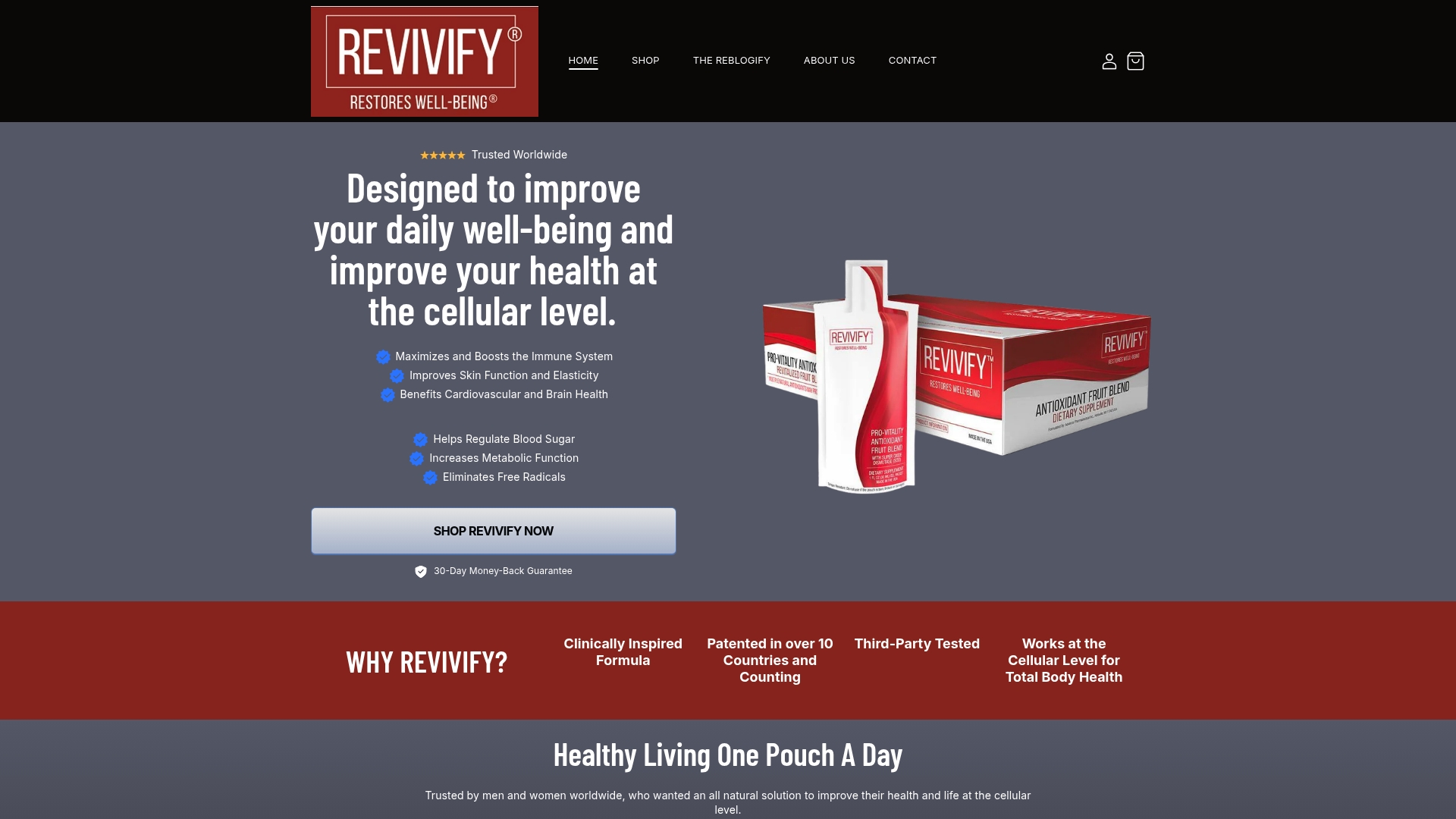
Revivify combines superoxide dismutase with prebiotic fiber in a patented daily formula designed to fight free radicals and reduce oxidative stress at the cellular level. The prebiotic fiber supports gut health, which research increasingly connects to systemic antioxidant capacity. It is a two-system approach to cellular protection that goes beyond what any single-ingredient antioxidant can deliver. You can also explore heart support supplements to see how targeted cardiovascular nutrition fits into a broader health strategy.
FAQ
What are the main superoxide dismutase heart protection benefits?
SOD neutralizes superoxide radicals that damage heart tissue and blood vessels, preserves nitric oxide for healthy vessel function, and reduces peroxynitrite formation linked to cardiac fibrosis and heart failure.
Why does oral SOD supplementation have limited effectiveness?
Digestive enzymes break down SOD protein before it reaches the bloodstream, making direct oral supplementation largely ineffective. Stimulating your body’s own SOD production through Nrf2 activation or cofactor optimization is more reliable.
How does superoxide dismutase relate to diabetes and heart disease?
People with diabetes show reduced SOD activity, which accelerates oxidative damage to blood vessels and heart tissue. Supporting SOD function addresses a core mechanism shared by both diabetic cardiomyopathy and cardiovascular disease.
Which minerals are required for superoxide dismutase to work properly?
SOD isoforms require zinc and copper (SOD1), manganese (SOD2), or both copper and zinc (SOD3) as active site cofactors. Deficiency in any of these minerals directly reduces enzymatic activity and cardiovascular protection.
Is superoxide dismutase better than vitamin E for heart health?
Clinical trials show that vitamin E supplementation has failed to consistently reduce cardiovascular events, while enzymatic antioxidants like SOD offer targeted, compartmentalized protection that generic scavengers cannot replicate. They work through fundamentally different mechanisms.