

How to Reduce Chronic Inflammation Naturally: 8 Steps
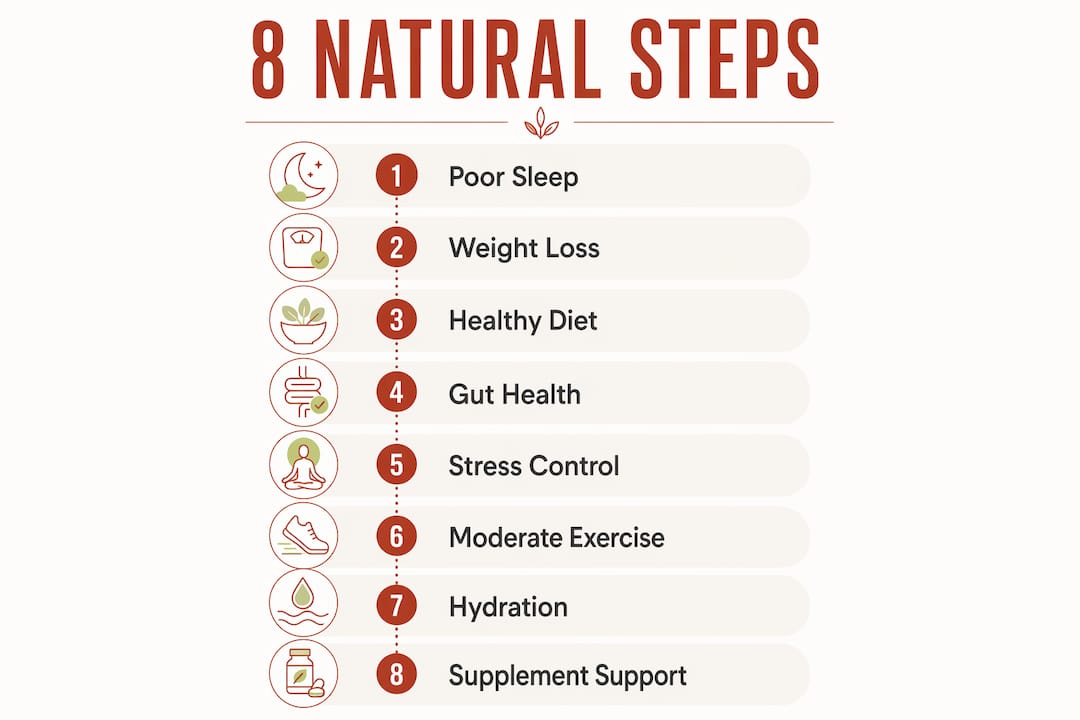
Reducing chronic inflammation naturally involves a combination of lifestyle and dietary steps with real evidence behind them. The most effective approach stacks multiple interventions: improving sleep hygiene, achieving a healthy weight, shifting to an anti-inflammatory dietary pattern rich in fiber, antioxidants, and omega-3s, and supporting gut health with prebiotic fiber. Add consistent physical activity, stress management, and adequate hydration, and you have a system that works cumulatively rather than relying on any single fix.
Here is what each step actually does and how to put it into practice:
- Prioritize consistent, quality sleep to keep inflammatory cytokines in check
- Lose excess weight, especially visceral fat, to reduce cytokine output from adipose tissue
- Adopt a whole-food dietary pattern built on fiber, antioxidants, and omega-3 fatty acids
- Feed your gut microbiome with prebiotic fiber to produce anti-inflammatory short-chain fatty acids
- Manage chronic stress through meditation, yoga, or breathing exercises
- Move regularly with moderate aerobic and resistance exercise
- Stay well-hydrated to support cellular waste clearance
- Consider Tryrevivify’s patented formula combines superoxide dismutase and prebiotic fiber for cellular-level support
Table of Contents
- 1. Poor sleep drives up your inflammatory markers
- 2. Weight loss is the single most effective individual intervention
- 3. Your diet’s overall pattern matters more than any single superfood
- 4. Gut health and prebiotic fiber are central to lowering systemic inflammation
- 5. Chronic stress keeps your inflammatory pathways switched on
- 6. Regular moderate exercise reduces pro-inflammatory cytokines directly
- 7. Hydration supports your body’s ability to clear inflammatory waste
- Tryrevivify supports your inflammation reduction from the inside out
- Key Takeaways
1. Poor sleep drives up your inflammatory markers
Insufficient or disrupted sleep measurably raises pro-inflammatory cytokines IL-6 and TNF-alpha, two of the primary markers clinicians track in chronic inflammatory conditions. That rise is not subtle. Sleep deprivation impairs immune regulation in ways that compound over time, making it harder for your body to return to an anti-inflammatory baseline.
Dr. Michael Irwin’s research at UCLA has consistently shown that sleep is a foundational pillar in inflammatory management, particularly as adults age and lose the natural resilience of immune homeostasis. The practical implication is straightforward: a consistent sleep schedule is crucial for managing inflammation.
To protect your sleep quality:
- Keep a fixed wake time, even on weekends, to anchor your circadian rhythm
- Cool your bedroom to around 65–68°F, the range most associated with deeper sleep stages
- Cut screen exposure 60 minutes before bed to avoid blue-light suppression of melatonin
- Avoid alcohol within three hours of sleep; it fragments sleep architecture even when it feels sedating
Pro Tip: If you wake between 2–4 AM regularly, that pattern often signals blood sugar instability. A small protein-fat snack before bed (a tablespoon of almond butter, for example) can stabilize overnight glucose and reduce those wake episodes.
2. Weight loss is the single most effective individual intervention
Visceral fat is metabolically active in a way subcutaneous fat is not. It continuously releases pro-inflammatory cytokines, keeping your immune system in a low-grade activated state. Losing weight reduces cytokine output and improves inflammatory disease activity across various conditions including psoriatic arthritis.
The relationship runs both directions. Chronic inflammation promotes fat storage and insulin resistance, which in turn drives more inflammation. Breaking that cycle through weight loss is often the lever that makes every other intervention work better.
Practical strategies that support both weight loss and inflammation reduction:
- Prioritize protein and fiber at each meal to reduce total caloric intake without hunger
- Replace refined carbohydrates with whole grains to lower the glycemic load driving NF-κB activation
- Incorporate daily movement beyond structured workouts; prolonged sitting undermines the gains from a single gym session
- Track waist circumference alongside body weight, since visceral fat reduction is the goal, not just scale changes
3. Your diet’s overall pattern matters more than any single superfood
Anti-inflammatory dietary patterns rich in whole foods, fiber, antioxidants, and omega-3 fatty acids collectively reduce markers like CRP, IL-6, and TNF-alpha. The Mediterranean diet is a well-studied example associated with reductions in inflammatory biomarkers across populations. The overall dietary pattern is important rather than any single food.
The bioactive compounds in these diets work synergistically. Polyphenols in berries, olive oil, and dark leafy greens inhibit inflammatory enzymes. Oleocanthal in extra virgin olive oil acts on COX enzymes similarly to ibuprofen. Omega-3 fatty acids from fatty fish compete with pro-inflammatory omega-6 pathways at the cellular membrane level.
| Nutrient | Top Food Sources | Inflammatory Target |
|---|---|---|
| Fiber | Lentils, oats, broccoli, apples | Lowers IL-6, TNF-alpha via gut microbiome |
| Antioxidants (polyphenols) | Blueberries, extra virgin olive oil, dark chocolate | Inhibits NF-κB, scavenges free radicals |
| Omega-3 fatty acids | Salmon, sardines, flaxseed, walnuts | Reduces prostaglandin and leukotriene production |
| Phytosterols | Avocado, pistachios, broccoli | Supports lipid profile, lowers cardiovascular inflammation |
Foods to cut or minimize:
- Ultra-processed items with refined seed oils and added sugars
- Trans fats found in commercially fried foods and some packaged baked goods
- High-glycemic refined carbohydrates that spike insulin and activate inflammatory signaling
Herbs like turmeric and ginger carry real anti-inflammatory compounds, but bioavailability matters. Curcumin absorption increases dramatically when paired with piperine from black pepper, which is why whole-food use or synergistic formulations outperform plain curcumin powder.
4. Gut health and prebiotic fiber are central to lowering systemic inflammation
Your gut microbiome is one of the most direct regulators of systemic inflammation. Beneficial bacteria ferment prebiotic fiber into short-chain fatty acids like butyrate, which signal the immune system to dial down inflammatory responses. Higher dietary fiber intake correlates with lower IL-6 and TNF-alpha levels, connecting what you eat to measurable changes in inflammatory markers throughout your body.
Prebiotic fiber feeds that beneficial bacterial population. Sources include chicory root, garlic, onions, leeks, and green bananas. The goal is consistent daily intake, not occasional high doses.
Key gut-health strategies for inflammation control:
- Aim for dietary variety across plant foods to support microbiome diversity
- Include fermented foods like plain yogurt, kefir, or kimchi alongside prebiotic sources
- Reduce antibiotic use to only medically necessary situations, since antibiotics disrupt microbiome balance
- Stay hydrated; water supports the mucosal lining that protects gut barrier integrity
Tryrevivify’s patented formula pairs superoxide dismutase with prebiotic fiber specifically to address both the oxidative stress and gut microbiome dimensions of chronic inflammation at the cellular level.
Pro Tip: Introduce prebiotic fiber gradually over two to three weeks. A sudden large increase causes gas and bloating in most people, which discourages continued use. Start with one additional serving per day and build from there.
5. Chronic stress keeps your inflammatory pathways switched on
Stress hormones like cortisol and adrenaline are designed for short bursts. When psychological stress becomes chronic, those hormones repeatedly activate inflammatory pathways, raising systemic inflammatory markers in ways that mirror the damage from poor diet or sleep deprivation. The body cannot distinguish between a physical threat and a relentless mental one.
Mindfulness-based stress reduction (MBSR), yoga, and diaphragmatic breathing all have documented effects on lowering cortisol and inflammatory cytokines. Even ten minutes of daily breathwork, specifically slow exhales that activate the parasympathetic nervous system, produces measurable shifts in heart rate variability and stress hormone levels. The mechanism is real, not just relaxation theater.
Practical stress management that actually works:
- Practice box breathing (4 counts in, 4 hold, 4 out, 4 hold) for five minutes before high-stress situations
- Use a consistent yoga practice two to three times per week; restorative and yin styles are particularly effective for cortisol reduction
- Limit news and social media consumption to defined windows rather than constant background exposure
- Prioritize social connection, since isolation independently elevates inflammatory markers
6. Regular moderate exercise reduces pro-inflammatory cytokines directly
Exercise promotes anti-inflammatory myokines released by contracting muscle tissue, and it reduces visceral fat activation of inflammatory pathways, even without large-scale weight loss. This makes physical activity one of the few interventions that works on multiple inflammation mechanisms simultaneously.

Moderate-intensity aerobic exercise, think brisk walking, cycling, or swimming at a pace where you can still hold a conversation, produces the strongest anti-inflammatory signal. High-intensity training has benefits but can temporarily spike inflammatory markers if recovery is inadequate. Resistance training two to three times per week adds muscle mass, which improves insulin sensitivity and reduces metabolic inflammation.
The critical caveat: sedentary behavior between workouts undermines the gains. Breaking up long sitting periods every 30–45 minutes with brief movement keeps inflammatory markers lower throughout the day than a single hour-long workout followed by eight hours at a desk.
7. Hydration supports your body’s ability to clear inflammatory waste
Water is not glamorous, but it is foundational. Every cellular process that clears inflammatory byproducts, from lymphatic drainage to kidney filtration, depends on adequate hydration. Mild dehydration concentrates inflammatory compounds in tissues and impairs the mucosal barriers in the gut and respiratory tract that prevent immune overactivation.
Aim to stay well-hydrated daily, adjusting intake based on activity level and dietary factors. Herbal teas, particularly ginger and green tea, count toward fluid intake and add polyphenol compounds that support the anti-inflammatory diet framework. Limit sugary drinks and excess alcohol, both of which promote oxidative stress and gut permeability.
Tryrevivify supports your inflammation reduction from the inside out
Lifestyle changes do the heavy lifting when it comes to chronic inflammation, and everything covered here gives you a real, evidence-backed foundation. Where Tryrevivify fits is at the cellular level, addressing the oxidative stress and gut microbiome gaps that diet and exercise alone often leave.
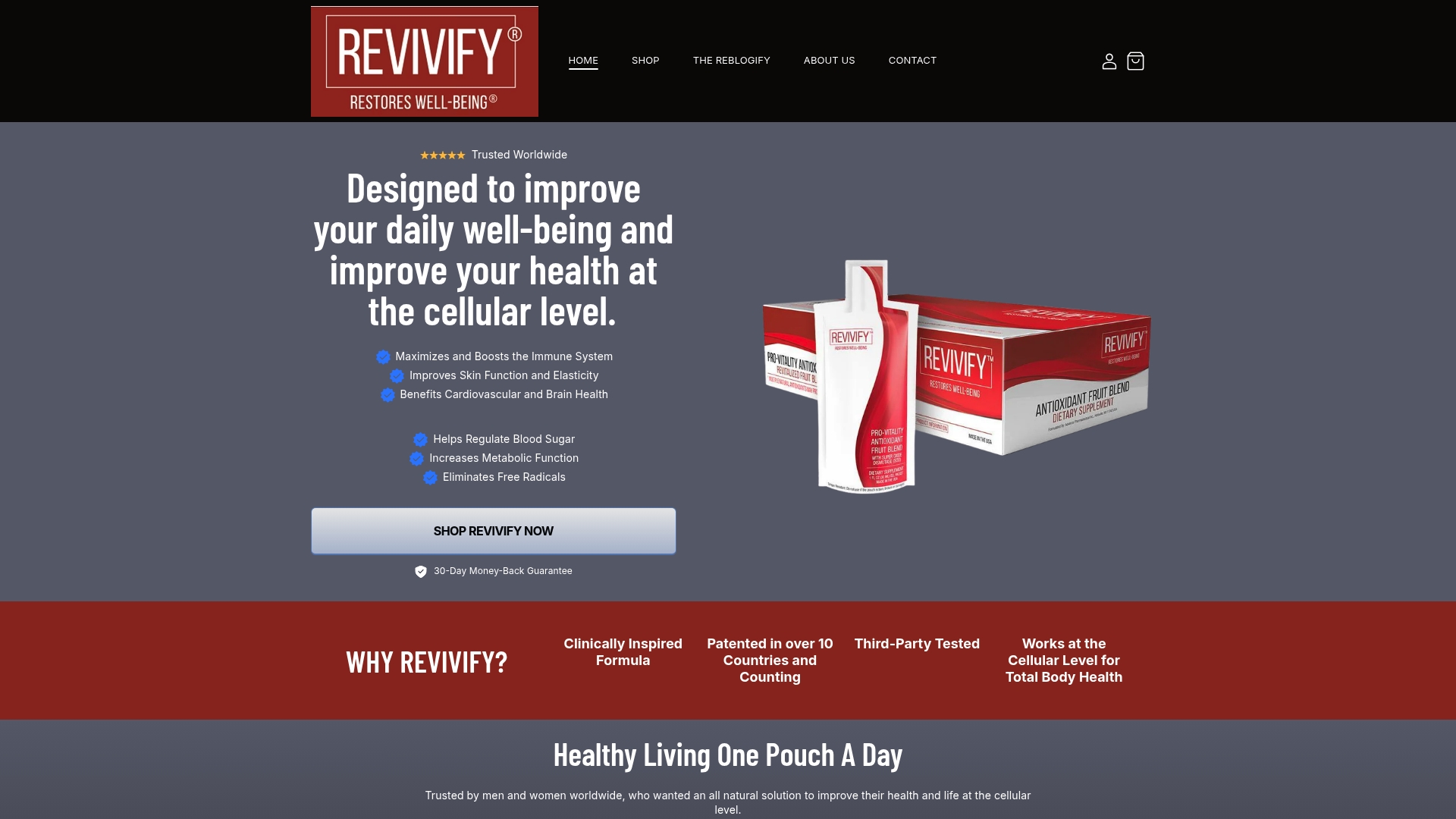
Tryrevivify’s formula combines superoxide dismutase, an intracellular antioxidant enzyme, with prebiotic fiber to support inflammation reduction at the cellular level. Superoxide dismutase neutralizes the free radicals that drive oxidative inflammation before they can damage cells. The prebiotic fiber component feeds the beneficial gut bacteria that produce anti-inflammatory short-chain fatty acids. Together, they work on the two mechanisms most people’s lifestyle changes don’t fully reach. If you’re ready to add targeted cellular support to the natural steps you’re already taking, explore Tryrevivify and see how the formula is built.
Key Takeaways
Reducing chronic inflammation naturally requires stacking multiple lifestyle interventions consistently, with diet, sleep, and weight management forming the most impactful core.
| Point | Details |
|---|---|
| Sleep is non-negotiable | Insufficient or disrupted sleep significantly increases inflammatory markers such as IL-6 and TNF-alpha; maintaining a consistent sleep schedule and cool, dark environment is crucial for managing inflammation. |
| Weight loss targets the source | Weight loss is independently associated with significant improvement in chronic inflammatory disease activity, especially in conditions like psoriatic arthritis. Reduction of visceral fat decreases inflammatory cytokines released by adipose tissue. |
| Dietary pattern over superfoods | Anti-inflammatory dietary patterns rich in whole foods, fiber, antioxidants, and omega-3 fatty acids collectively reduce markers like CRP, IL-6, and TNF-alpha. Mediterranean diet adherence shows reproducible reductions in inflammatory biomarkers. |
| Gut microbiome drives systemic inflammation | Higher dietary fiber intake supports a healthy gut microbiome that produces anti-inflammatory short-chain fatty acids, which contribute to systemic inflammation control and correlate with lowered IL-6 and TNF-alpha levels. |
| Tryrevivify adds cellular-level support | Revivify’s patented formula combining superoxide dismutase and prebiotic fiber effectively targets chronic inflammation by supporting antioxidant defenses and gut health, amplifying natural lifestyle interventions. |