

What Is Gut Microbiome Balance and Why It Matters
Gut microbiome balance is defined as a state of microbial homeostasis where a diverse, functional community of bacteria, fungi, and other microorganisms in your digestive tract works together to support metabolism, immunity, and inflammation control. Scientists measure this balance using tools like the Shannon Diversity Index, which tracks how many different species are present and how evenly they are distributed. Your gut metagenome encodes roughly 3.3 million genes compared to the 20,000 genes in the human genome. That gap explains why your microbiome does so much of the heavy lifting for your health. When that community is thriving, you feel it. When it is not, your body signals the problem in ways that go far beyond an upset stomach.
What is gut microbiome balance and how do you measure it?
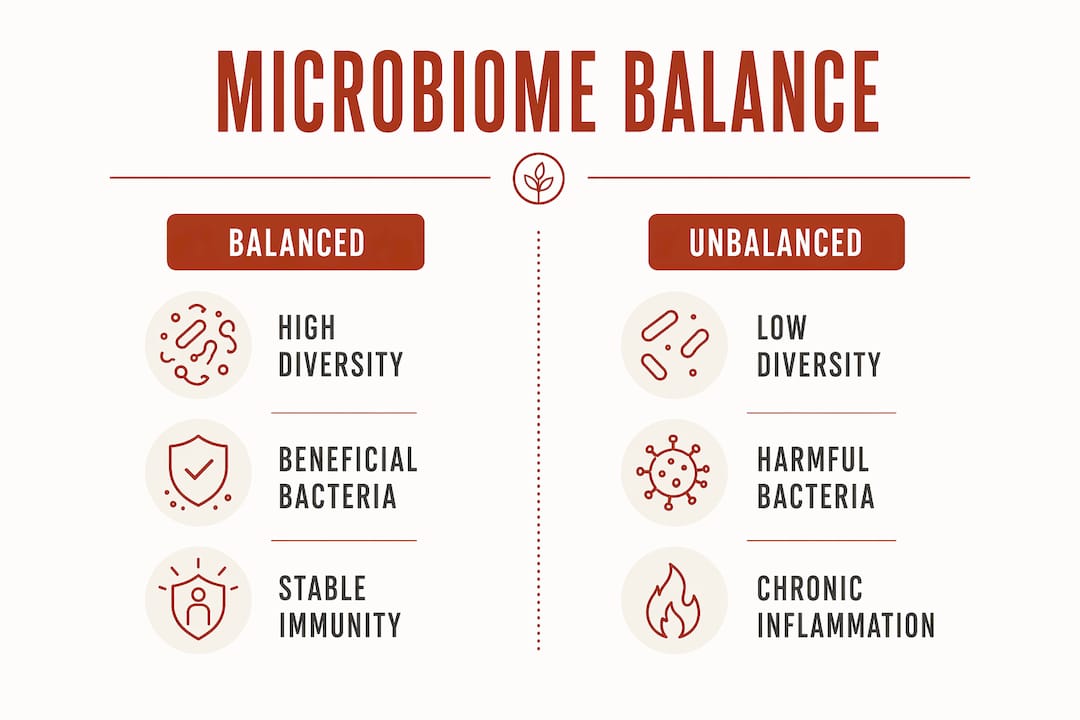
Gut microbiome balance, also called microbial homeostasis, describes the condition where beneficial microbes outnumber harmful ones and the overall community produces the metabolic outputs your body needs. The most important of those outputs are short-chain fatty acids, or SCFAs, produced when gut bacteria ferment dietary fiber. SCFAs like butyrate, propionate, and acetate feed the cells lining your colon, regulate immune responses, and keep inflammation in check.
Researchers assess balance primarily through the Shannon Diversity Index, a mathematical measure of species richness and evenness. A higher Shannon score signals a more resilient microbial community. Think of it like a forest: a forest with 50 species of trees handles drought, disease, and pests far better than one with only three.

The opposite of balance is dysbiosis. Dysbiosis occurs when beneficial microbes decline and opportunistic microbes called pathobionts take over. Dysbiotic microbiomes produce more lipopolysaccharide, or LPS, a pro-inflammatory endotoxin that leaks into the bloodstream and triggers a condition called metabolic endotoxemia.
Markers of a balanced vs. unbalanced microbiome
| Marker | Balanced microbiome | Dysbiotic microbiome |
|---|---|---|
| Microbial diversity | High Shannon Diversity Index score | Low species richness and evenness |
| SCFA production | Consistent butyrate, propionate output | Reduced or absent SCFA production |
| Pathobiont presence | Low, well-controlled | Dominant, unchecked growth |
| Inflammatory signals | Low LPS, low systemic inflammation | Elevated LPS, metabolic endotoxemia |
| Digestive comfort | Regular, comfortable digestion | Bloating, irregular bowel movements |
Common symptoms of an unbalanced microbiome include persistent bloating, irregular bowel habits, fatigue, skin flare-ups, and frequent infections. These symptoms appear because dysbiosis disrupts the gut’s ability to regulate both local and systemic immune responses.
How does gut microbiome balance affect health beyond digestion?
The gut is not just a digestive organ. USDA ARS researchers describe the gut microbiome as a major immune organ, with roughly 70% of the body’s immune cells residing in or near the gut lining. That positioning gives the microbiome direct influence over how your immune system responds to threats, and how aggressively it reacts to non-threats.
When dysbiosis allows LPS to enter the bloodstream, the immune system mounts a low-grade inflammatory response. Over time, that chronic systemic inflammation contributes to conditions including type 2 diabetes, cardiovascular disease, and metabolic syndrome. The connection is not theoretical. Dysbiotic microbiomes are consistently found in people with these conditions, though researchers continue to clarify the direction of causation.
The gut-brain axis adds another layer. Your gut and brain communicate through the vagus nerve, immune signaling, and neurotransmitter production. Gut bacteria produce serotonin precursors, GABA, and other neuroactive compounds that influence mood, stress response, and cognitive function. Disrupting that production through dysbiosis is linked to higher rates of anxiety and depression.
Here is how the gut microbiome influences systemic health across key body systems:
- Immune regulation: Beneficial microbes train immune cells to distinguish pathogens from harmless substances, reducing autoimmune and allergic responses.
- Inflammation control: Balanced SCFA production suppresses pro-inflammatory cytokines and supports the gut barrier, preventing LPS from entering circulation.
- Metabolic function: Gut bacteria influence insulin sensitivity, lipid metabolism, and energy extraction from food, directly affecting type 2 diabetes and cardiovascular risk.
- Brain and mood: The gut-brain axis carries signals that shape anxiety, depression, and stress resilience through neurotransmitter and hormone pathways.
- Nutrient absorption: A balanced microbiome improves nutrient uptake efficiency, including vitamins B12, K2, and short-chain fatty acids that the body cannot produce on its own.
“Your microbiome is as unique as a fingerprint. There is no single perfect composition. The goal is diversity, because diversity is what gives the microbiome resilience against changes in diet, medications, and stress.” — Dr. Purna Kashyap, Mayo Clinic
Health is a spectrum, not a binary state. Your microbiome shifts daily in response to what you eat, how you sleep, and how stressed you are. The goal is not perfection. The goal is a diverse, functional community that can absorb disruptions without losing its core capabilities.
What factors influence gut microbiome balance?
Diet is the single most powerful lever you control. The variety and fiber content of what you eat directly shapes which microbes thrive in your gut. Poor diet, chronic stress, and medications are the three most consistent drivers of dysbiosis in clinical research.
Key factors that shape your microbial community include:
- Dietary fiber: Fiber feeds beneficial bacteria that produce SCFAs. Low-fiber diets starve these microbes and allow pathobionts to expand.
- Fermented foods: Yogurt, kefir, kimchi, sauerkraut, and kombucha introduce live microorganisms and reduce inflammatory markers like IL-6.
- Antibiotics: A single antibiotic course can reduce gut microbial diversity by 30–50%, with some species taking years to recover or never fully returning.
- Stress: Chronic psychological stress alters gut motility, immune signaling, and the composition of the microbial community through the gut-brain axis.
- Exercise: Regular physical activity increases microbial diversity and SCFA production, with measurable changes appearing within six weeks of consistent training.
- Hydration: Adequate water intake supports the mucus layer that protects gut bacteria and facilitates regular transit time.
- Sleep: Poor sleep quality disrupts circadian rhythms that gut bacteria follow, reducing diversity and increasing inflammation markers overnight.
Modern life creates a specific problem. Ancestral environments exposed humans to far more microbial diversity through soil, fermented foods, and varied plant diets. Processed food, sanitized environments, and frequent antibiotic use have narrowed that exposure significantly.
Pro Tip: If you need antibiotics, take them as prescribed and follow up with two to four weeks of fermented foods and high-fiber eating. This gives surviving microbial populations the fuel they need to rebuild faster.
What are practical strategies to restore gut microbiome balance?
Restoring gut health balance does not require an expensive protocol. The most effective interventions are dietary, consistent, and backed by clinical evidence.
- Eat 30 or more plant varieties per week. Dietary diversity improves microbial diversity within 24–72 hours of change, though lasting balance requires sustained habits. Count herbs, spices, legumes, nuts, and seeds, not just vegetables and fruits.
- Add 2–6 servings of fermented foods daily. High fermented food intake reduces inflammatory proteins like IL-6 more effectively than fiber alone in short-term trials. Kefir, miso, tempeh, and kimchi are practical daily options.
- Increase dietary fiber progressively. Aim for 30 grams or more per day from whole food sources. Increase gradually to avoid temporary bloating as your microbiome adjusts.
- Exercise 150–270 minutes per week at moderate to high intensity. Exercise improves microbial diversity within six weeks and boosts SCFA production independently of diet.
- Drink 4–6 cups of water daily at minimum. Hydration supports the mucus layer that protects beneficial bacteria and keeps transit time regular.
- Avoid unnecessary antibiotics and ultra-processed foods. Both cause measurable microbial disruption. Reserve antibiotics for confirmed bacterial infections, not viral illness.
Fermented foods vs. probiotic supplements: which works better?
| Approach | Mechanism | Evidence strength | Duration of effect |
|---|---|---|---|
| Fermented foods | Introduce live microbes and bioactive compounds | Strong, consistent in trials | Sustained with continued intake |
| Dietary fiber | Feeds existing beneficial bacteria | Strong, foundational | Sustained with continued intake |
| Probiotic supplements | Introduce specific strains temporarily | Moderate, strain-dependent | Short-term without dietary support |
Fiber and fermented foods are more reliably effective than probiotic supplements alone at increasing microbial diversity and reducing inflammation long term. Supplements can play a supporting role, but they do not replace the substrate that beneficial bacteria need to survive.
Pro Tip: Pair prebiotic fiber sources like garlic, onions, and oats with fermented foods at the same meal. The fiber feeds the microbes you are introducing, giving them a better chance of establishing in your gut. Learn more about improving gut health with prebiotics.
Key Takeaways
Gut microbiome balance requires sustained dietary diversity, regular exercise, and minimal antibiotic use to maintain the microbial homeostasis that drives immune function, inflammation control, and metabolic health.
| Point | Details |
|---|---|
| Balance means diversity | A high Shannon Diversity Index score signals a resilient, functional microbial community. |
| Dysbiosis drives disease | Elevated LPS from dysbiosis triggers systemic inflammation linked to type 2 diabetes and cardiovascular disease. |
| Diet is the top lever | Eating 30+ plant varieties weekly and 2–6 servings of fermented foods daily produces measurable microbial improvement. |
| Antibiotics carry real cost | A single course can cut microbial diversity by 30–50%, with recovery taking years for some species. |
| Supplements support, not replace | Probiotic supplements help but cannot substitute for the fiber and fermented foods that sustain microbial populations. |
What I have learned from watching people chase gut health
The most common mistake I see is treating gut microbiome balance like a problem to be solved once and forgotten. People do a two-week probiotic course, feel better, and go back to the same low-fiber, high-stress routine that caused the problem. The microbiome responds to what you do consistently, not what you do occasionally.
The concept of functional redundancy is genuinely reassuring here. Losing some microbial strains does not collapse your entire metabolic capacity, as long as overall diversity remains high. Your gut is more resilient than most people give it credit for. That resilience is not a reason to be careless. It is a reason to feel confident that the changes you make today will have real effects within days, not months.
The gut-brain axis piece also gets underestimated. People attribute mood swings, brain fog, and low energy to sleep or stress, when the gut is often a contributing factor. Addressing gut health and immunity together, rather than in isolation, tends to produce faster and more durable results than targeting either system alone.
My honest recommendation: start with food before you spend money on supplements. Thirty plant varieties per week sounds like a lot until you realize that a single meal with lentils, spinach, walnuts, garlic, and olive oil already counts as five. Build the habit, then layer in targeted support where it makes sense.
— Larry
Support your gut health with Tryrevivify
Gut microbiome balance is the foundation, but your cells need support at every level to translate that balance into lasting health. Tryrevivify combines superoxide dismutase and prebiotic fiber in a patented formula designed to fight free radicals and reduce oxidation throughout the body at the cellular level. The prebiotic fiber component directly feeds beneficial gut bacteria, making Tryrevivify a natural complement to the dietary strategies covered here.
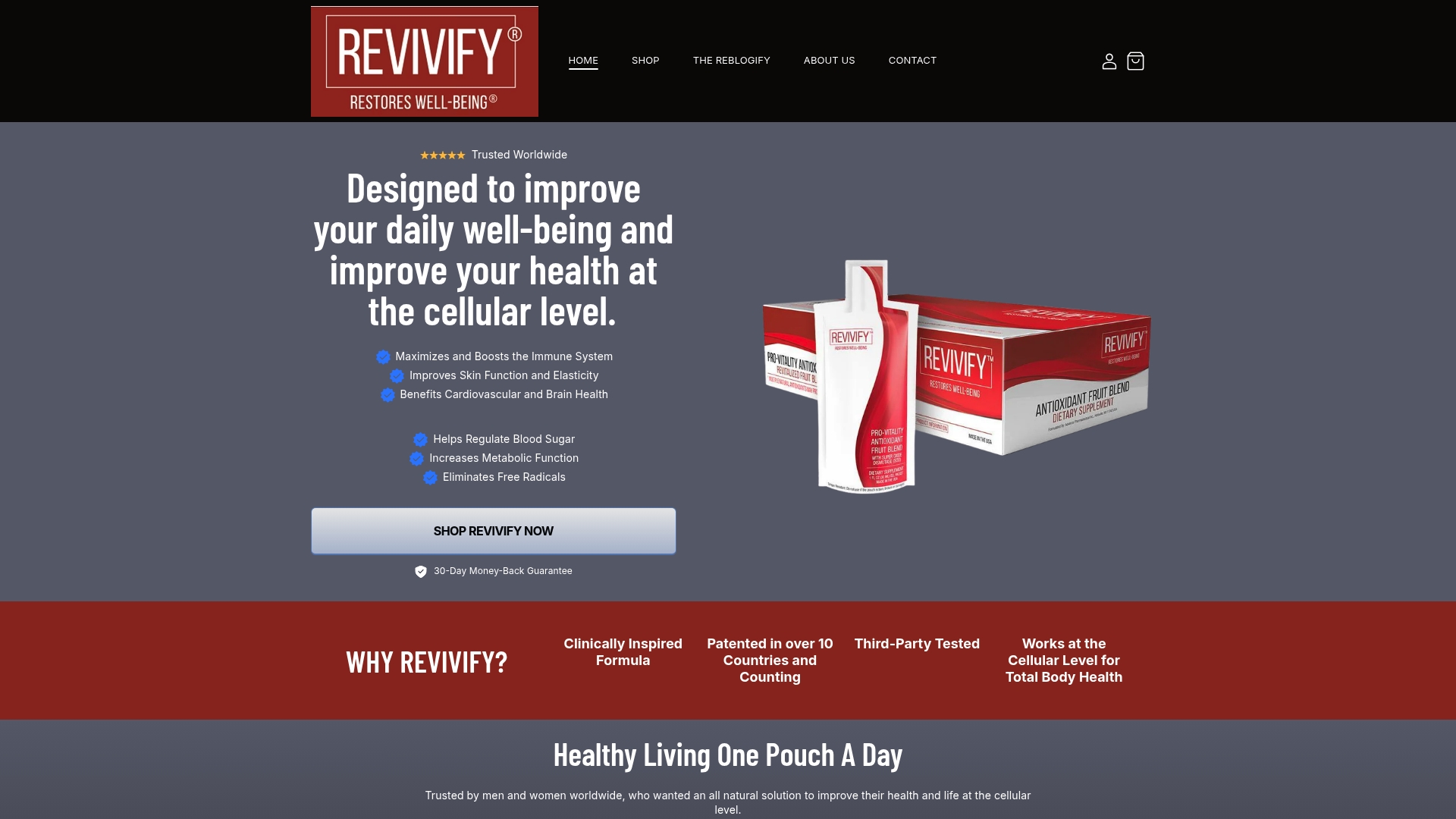
If you are serious about supporting your gut and your overall cellular health, a 30-day supply of Tryrevivify gives you enough time to feel the difference. Consistent daily use, paired with a fiber-rich diet and fermented foods, gives your microbiome and your cells the sustained support they need to function at their best.
FAQ
What is gut microbiome balance in simple terms?
Gut microbiome balance is the state where diverse, beneficial bacteria in your digestive tract outnumber harmful ones and produce the metabolic compounds your body needs. Scientists call this state microbial homeostasis, and it supports digestion, immunity, and inflammation control simultaneously.
What are the main symptoms of an unbalanced microbiome?
Common symptoms of dysbiosis include persistent bloating, irregular bowel movements, fatigue, frequent infections, and skin flare-ups. These occur because an unbalanced microbiome disrupts the gut barrier and increases systemic inflammation through elevated LPS production.
How long does it take to restore gut microbiome balance?
Your microbiome responds to dietary changes within 24–72 hours, but lasting balance requires sustained healthy habits over weeks and months. Exercise alone can improve microbial diversity within six weeks of consistent moderate to high intensity training.
Are probiotic supplements enough to balance gut bacteria?
Probiotic supplements alone are not sufficient for long-term gut health balance. Fiber and fermented foods are more reliably effective at increasing microbial diversity and reducing inflammation, with supplements playing a supporting rather than primary role.
Can antibiotics permanently damage gut microbiome balance?
A single antibiotic course can reduce gut microbial diversity by 30–50%, and some microbial species may take years to recover or never fully return. Following antibiotic use with high-fiber eating and fermented foods helps surviving populations rebuild more quickly.