

Gut Health and Immunity Connection Guide for 2026
The gut is the body’s primary immune organ, housing roughly 70% of all immune cells within its mucosal lining. This gut health and immunity connection guide explains exactly how your microbiome trains, regulates, and sustains immune defenses through mechanisms like secretory IgA, short-chain fatty acids (SCFAs), and gut-associated lymphoid tissue (GALT). Recent research published in Nature Immunology and Frontiers in Immunology confirms that microbiota-driven metabolite signaling shapes immune homeostasis across your entire lifespan. Understanding this connection is the foundation for every dietary, lifestyle, and supplementation decision you make for your health.
How the gut microbiome and immunity connection works
The gut does not simply digest food. It runs a continuous, sophisticated conversation with your immune system through a network called the gut-associated lymphoid tissue, or GALT. GALT includes Peyer’s patches, mesenteric lymph nodes, and intraepithelial lymphocytes, all of which sample microbial signals and calibrate immune responses in real time. Think of GALT as the immune system’s training ground, where it learns to tolerate beneficial microbes and mobilize against genuine threats.
At the molecular level, SCFAs regulate immune responses both locally in the gut lining and systemically throughout the body. SCFAs, primarily butyrate, propionate, and acetate, are produced when gut bacteria ferment dietary fiber. Butyrate, in particular, fuels colonocyte cells that form the gut barrier and suppresses inflammatory signaling by inhibiting histone deacetylase enzymes. This means a fiber-rich diet does not just feed you. It directly programs your immune tolerance.

Secretory IgA (sIgA) is the immune system’s most abundant antibody, and it operates almost exclusively in the gut. sIgA maintains microbial balance by coating potentially harmful bacteria and preventing them from breaching the epithelial barrier, without eliminating them entirely. This is a critical distinction. The goal is ecological stability, not sterility. A gut stripped of microbial diversity loses the very training signals that keep immune responses calibrated and proportionate.
The systemic reach of gut immunity is more significant than most people realize. Gut microbiome diversity, particularly the abundance of Ruminococcaceae, correlates with immunotherapy response in melanoma patients, according to a landmark Science clinical study. This finding illustrates that gut ecology does not just affect digestion. It shapes how your immune system performs under the most demanding conditions imaginable.
| Mechanism | Function | Immune Outcome |
|---|---|---|
| SCFA production (butyrate) | Fermentation of dietary fiber by gut microbes | Reduces gut inflammation, supports barrier integrity |
| Secretory IgA (sIgA) | Coats and restricts harmful microbes at mucosal surface | Maintains microbial balance without sterilization |
| GALT activation | Samples microbial antigens via Peyer’s patches | Trains adaptive immune responses locally and systemically |
| Microbiota metabolite signaling | Microbial byproducts interact with epithelial and immune cells | Regulates inflammatory thresholds throughout the body |
Pro Tip: If you want a practical measure of gut immune health, ask your doctor about fecal sIgA levels. Low sIgA is a reliable early signal of compromised mucosal immunity, often before symptoms appear.
What dietary strategies actually improve gut health and immunity
Nutrition is the most direct lever you have over your gut microbiome, and the quality of fiber you eat matters more than the quantity. Fermentable fibers, such as inulin from chicory root, fructooligosaccharides from garlic and onions, and resistant starch from cooked-and-cooled potatoes, selectively feed SCFA-producing bacteria like Faecalibacterium prausnitzii and Roseburia intestinalis. Consistent fermentable fiber intake is the single most evidence-backed dietary strategy for immune modulation through the gut. One bowl of oatmeal does nothing. Daily, varied fiber intake over weeks is what shifts the microbial community.
The distinction between prebiotics and probiotics matters here. Prebiotics are the food; probiotics are the microbes themselves. Not all probiotic strains produce the same immune effects, and choosing a strain without clinical evidence is essentially guesswork. A 12-week placebo-controlled trial found that Bifidobacterium infantis YLGB-1496 at 1×10^10 CFU per day significantly reduced respiratory infections and diarrhea in children, alongside measurable improvements in inflammatory biomarkers. Strain specificity is not a marketing detail. It is the difference between a clinically validated effect and an expensive placebo.
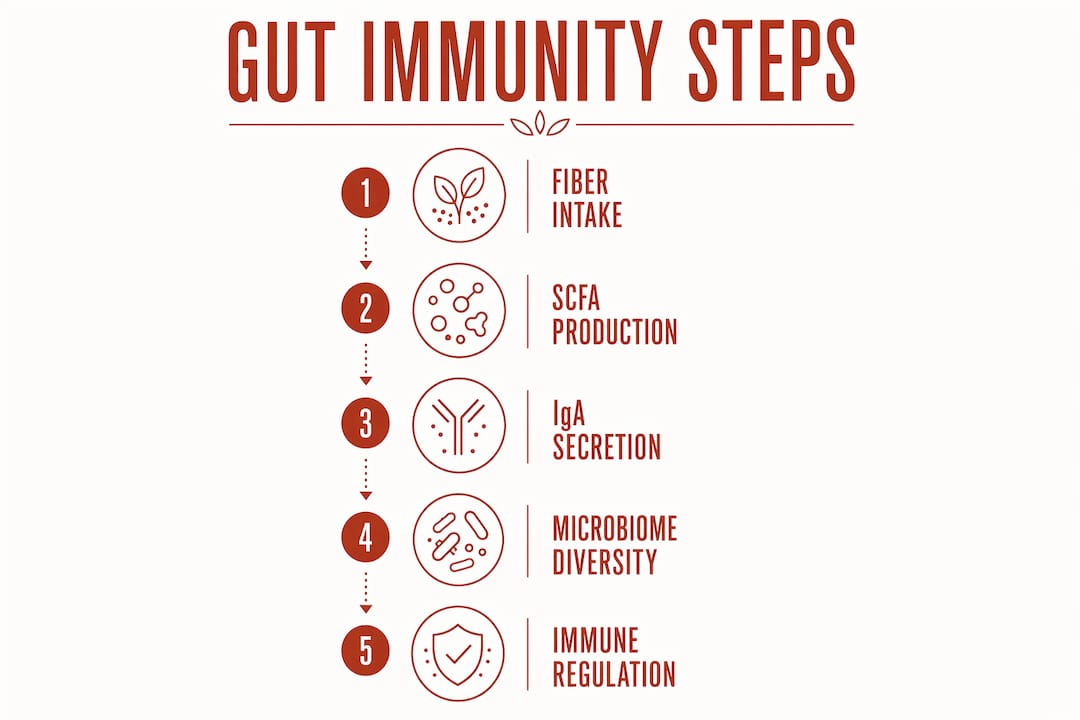
Realistic timelines matter too. Clinical trials consistently show that immune benefits from fiber typically emerge over 4 to 8 weeks of consistent dietary change, not days. Many people abandon dietary shifts too early because they expect rapid results. The microbiome is an ecosystem, and ecosystems shift gradually.
Here are the most evidence-supported food categories for gut and immune health:
- Prebiotic-rich foods: Garlic, leeks, asparagus, Jerusalem artichokes, green bananas, and chicory root
- Fermented foods: Plain yogurt with live cultures, kefir, kimchi, sauerkraut, and miso
- Resistant starch sources: Cooked-and-cooled rice, lentils, and green bananas
- Polyphenol-rich foods: Blueberries, dark chocolate, green tea, and extra-virgin olive oil
- Omega-3 sources: Fatty fish like salmon and sardines, which reduce gut inflammation
For more on how prebiotic fiber shapes gut microbes, the Tryrevivify blog covers the mechanisms in practical detail.
Pro Tip: Combine a prebiotic food with a probiotic food in the same meal, for example, yogurt with sliced banana and a drizzle of honey. This pairing gives live cultures an immediate fuel source and improves their colonization odds.
One common misconception worth addressing directly: you cannot “boost” your immune system the way you charge a battery. The goal is immune regulation, not amplification. An overactive immune system causes autoimmune disease and chronic inflammation. What dietary strategies actually do is train immune tolerance, reduce unnecessary inflammatory signaling, and maintain barrier integrity. That is a more accurate and more useful frame for understanding how gut health affects immunity.
How lifestyle factors shape the gut-immune connection
Diet alone does not determine your gut microbiome. Chronic stress is an upstream driver that alters microbial composition and immune function through two distinct neuroendocrine pathways. Chronic stress via HPA and sympathetic axes suppresses beneficial bacteria, increases gut permeability, and elevates pro-inflammatory cytokines. This creates a feedback loop where stress degrades gut health, which then amplifies immune dysregulation, which in turn worsens stress resilience.
The practical implication is that stress management is not optional for gut-immune health. It is a core intervention. Practices with direct evidence for microbiome stabilization include:
- Consistent sleep schedules: Circadian disruption reduces microbial diversity within days. Aim for 7 to 9 hours at consistent times.
- Mindfulness-based stress reduction (MBSR): Eight-week MBSR programs show measurable reductions in cortisol and inflammatory markers in multiple controlled trials.
- Regular moderate exercise: Aerobic exercise at moderate intensity increases Lactobacillus and Bifidobacterium populations. High-intensity training without adequate recovery can temporarily increase gut permeability.
- Limiting unnecessary antibiotics: Each antibiotic course can reduce microbial diversity for months. Reserve antibiotic use for confirmed bacterial infections.
- Social connection: Isolation elevates cortisol chronically, which suppresses sIgA production at mucosal surfaces.
For a deeper look at how chronic inflammation connects to gut health, the Tryrevivify resource library explains the inflammatory cascade in accessible terms.
Holistic and emerging approaches to gut immunity
Beyond food and lifestyle, a new generation of targeted interventions is showing clinical promise. A 2026 randomized controlled trial tested a prebiotic formula specifically designed to promote Akkermansia muciniphila, a keystone species associated with gut barrier integrity and metabolic health. The 8-week prebiotic intervention produced significant shifts in microbiome composition alongside immune-related benefits, confirming that targeted prebiotic strategies can achieve outcomes that general fiber intake cannot.
The concept of microbiome-based therapeutics is also expanding. Fecal microbiota transplantation (FMT) is now clinically approved for recurrent Clostridioides difficile infection, and trials are underway for inflammatory bowel disease and even cancer immunotherapy adjuncts. The underlying principle is ecological restoration, returning a disrupted microbiome to a stable, diverse state rather than simply adding bacteria on top of dysfunction.
| Approach | Evidence Level | Best Use Case |
|---|---|---|
| Targeted prebiotic formulas | RCT-supported (2026) | Promoting specific keystone species like Akkermansia muciniphila |
| Strain-specific probiotics | RCT-supported (pediatric, adult) | Reducing infection frequency and inflammatory markers |
| Fecal microbiota transplant | Clinically approved (C. diff) | Restoring severely disrupted microbiome ecology |
| Dietary fiber diversification | Strong mechanistic evidence | Daily SCFA production and immune tolerance maintenance |
For a practical overview of supplement options for immune support, the Tryrevivify guide covers evidence-based stacking strategies. One important caution: any intervention targeting the microbiome should be discussed with a healthcare provider, particularly if you have an autoimmune condition, are immunocompromised, or are taking medications that interact with gut flora.
Key takeaways
The gut-immune relationship is a biological system that responds to consistent, evidence-based inputs, not quick fixes or single supplements.
| Point | Details |
|---|---|
| Gut houses most immune cells | Roughly 70% of immune cells reside in gut tissue, making gut health central to systemic immunity. |
| SCFAs are the key mediators | Fermentable fiber produces butyrate and other SCFAs that directly regulate immune tolerance and inflammation. |
| Strain specificity matters | Choose probiotics with clinical trial evidence for your specific health goal, not generic “immune support” labels. |
| Stress disrupts gut immunity | Chronic stress alters microbiota composition and suppresses sIgA, creating compounding immune vulnerability. |
| Results take 4 to 8 weeks | Dietary and prebiotic interventions require consistent effort over weeks before measurable immune changes appear. |
What I’ve learned about gut health that most guides get wrong
After years of reviewing the clinical literature and watching people apply gut health advice with mixed results, one pattern stands out clearly. Most people focus on what to add, probiotics, fiber supplements, fermented foods, without addressing what is actively working against their microbiome. Chronic stress, poor sleep, and irregular eating schedules can undo weeks of careful dietary effort. I have seen people take high-quality probiotics daily while running on five hours of sleep and wondering why nothing changes. The gut does not respond to isolated interventions. It responds to the sum of your daily environment.
The second thing most guides miss is the distinction between immune boosting and immune regulation. The framing of “boosting” immunity is not just imprecise. It is counterproductive, because it leads people toward high-dose, single-ingredient interventions that can tip immune responses in the wrong direction. The goal is a well-trained, well-calibrated immune system, and that comes from ecological stability in the gut, not from flooding it with any single microbe or compound.
My honest recommendation is to start with the basics that have the strongest evidence: consistent fermentable fiber, adequate sleep, and stress management. Add strain-specific probiotics only when you have a clear clinical rationale. And give any intervention at least six to eight weeks before evaluating whether it is working. Patience is not passive. It is the most evidence-aligned strategy you have.
— Larry
Support your gut and immune health with Tryrevivify
If you are ready to take the next step beyond diet and lifestyle adjustments, Tryrevivify offers a patented daily supplement built specifically to support your body at the cellular level. The formula combines superoxide dismutase (SOD), a powerful antioxidant enzyme that neutralizes free radicals before they damage cells, with prebiotic fiber that feeds the beneficial gut microbes driving your immune function. This is not a generic multivitamin. It is a targeted, clinically informed formula designed to address the oxidative and microbial foundations of immune health simultaneously.
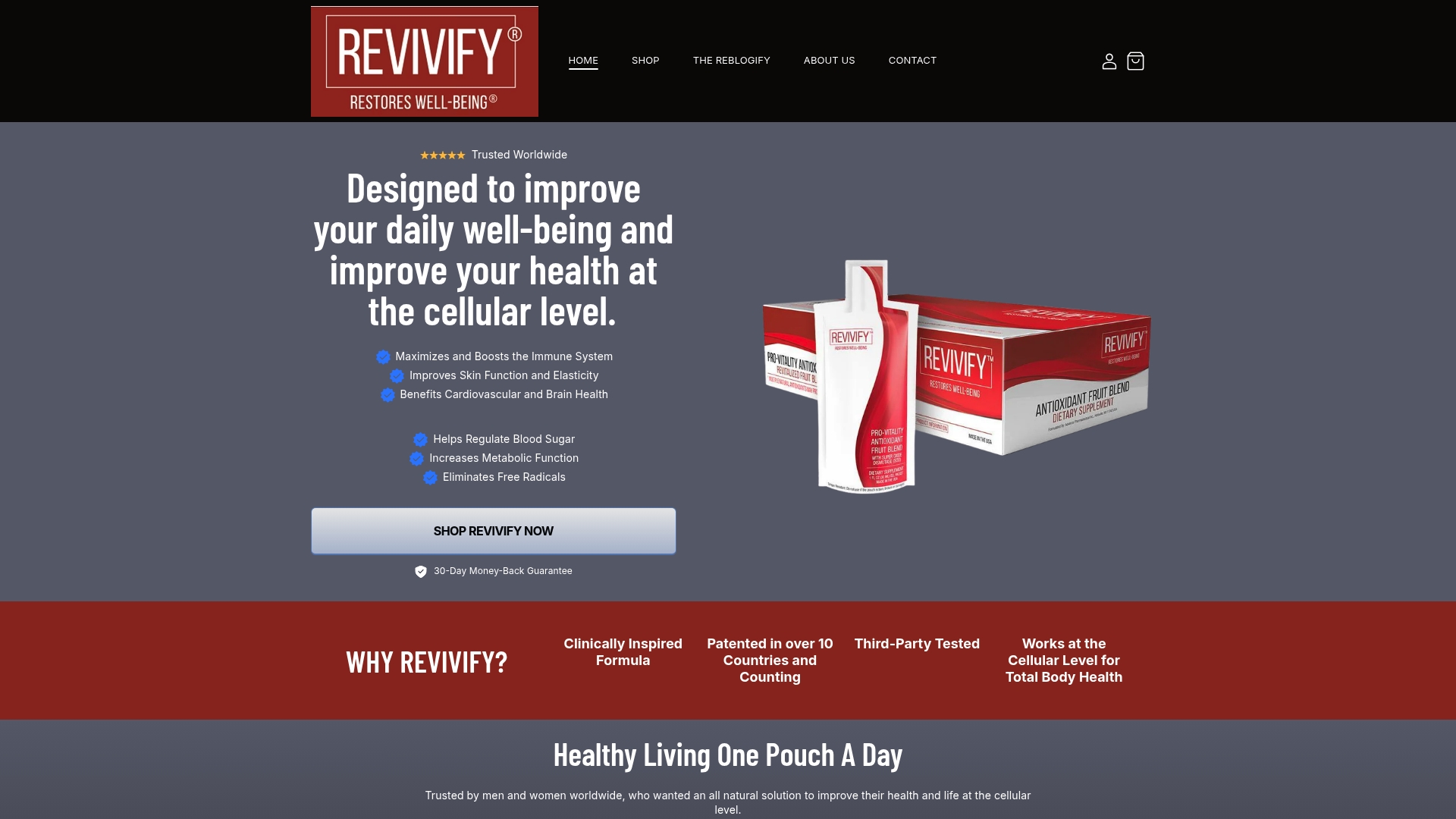
Dietary changes take time, and the cellular environment matters just as much as what you eat. Tryrevivify’s 30-day supply gives you a structured starting point to complement the strategies in this guide, with a formula backed by a patented delivery mechanism that improves bioavailability. Start where the science points.
FAQ
What is the gut health and immunity connection?
The gut houses approximately 70% of the body’s immune cells and communicates with the immune system through metabolites like SCFAs and antibodies like secretory IgA. This relationship means gut microbiome health directly shapes how well your immune system detects threats and controls inflammation.
How does gut microbiome diversity affect immunity?
Higher gut microbiome diversity is associated with stronger immune regulation and better outcomes in clinical settings, including improved response to cancer immunotherapy. Diverse microbial communities produce a broader range of metabolites that train and calibrate immune responses more effectively than low-diversity microbiomes.
Which probiotics are best for immune health?
Strain specificity determines effectiveness. Bifidobacterium infantis YLGB-1496 has RCT evidence for reducing respiratory infections and improving inflammatory markers. Always choose a probiotic with published clinical trial data for your specific health goal rather than a generic immune support claim.
How long does it take for dietary changes to improve gut immunity?
Clinical trials consistently show that measurable immune benefits from dietary fiber and prebiotic interventions emerge over 4 to 8 weeks of consistent intake. Expecting results in days leads to premature abandonment of strategies that would have worked with more time.
Does stress really affect gut health and immunity?
Chronic stress activates the HPA axis and sympathetic nervous system in ways that reduce beneficial gut bacteria, increase gut permeability, and suppress sIgA production. Stress management is a direct gut-immune intervention, not just a general wellness recommendation.