

What Is Chronic Systemic Inflammation: Key Facts
Chronic systemic inflammation is one of the most misunderstood forces quietly shaping your long-term health. Unlike the redness and swelling you see after a sprained ankle, this type of inflammation produces no obvious symptoms yet persists for months or years, steadily damaging tissues throughout your entire body. Most people living with it have no idea it’s happening. Understanding what it is, what drives it, and how to address it is one of the most practical things you can do for your health right now.
Table of Contents
- Key takeaways
- What is chronic systemic inflammation
- What causes systemic inflammation
- How chronic inflammation damages the body
- Diagnosing and monitoring systemic inflammation
- How to reduce and manage chronic inflammation
- My honest take on chronic inflammation
- Support your cellular health with Tryrevivify
- FAQ
Key takeaways
| Point | Details |
|---|---|
| Chronic vs. acute inflammation | Chronic inflammation is low-grade and persistent, not the visible, short-term response you get from an injury. |
| Multiple causes compound risk | Diet, poor sleep, stress, infections, and genetics can all drive chronic systemic inflammation simultaneously. |
| Silent but widespread damage | Chronic inflammation contributes to heart disease, diabetes, neurodegeneration, and more, often without noticeable symptoms. |
| Testing has real limits | CRP and hs-CRP blood tests signal inflammation but cannot identify its cause without broader clinical context. |
| Management requires targeting root causes | Lifestyle changes and cause-focused treatment outperform generic anti-inflammatory approaches. |
What is chronic systemic inflammation
To understand chronic systemic inflammation, start with what inflammation is supposed to do. When your body detects a threat, whether a bacterial infection, a cut, or a toxin, your immune system launches a coordinated response. Immune cells flood the area, release signaling proteins called cytokines, and work to neutralize the threat. This is acute inflammation. It’s purposeful, targeted, and temporary.
Chronic systemic inflammation is what happens when that response never fully shuts down. The immune system stays in “attack mode”, with immune cells and inflammatory chemicals circulating throughout the body long after any original threat has passed. Think of it like a car alarm that keeps blaring even after the intruder is gone. The signal was useful once. Now it’s just causing damage.
The key word here is systemic. This isn’t inflammation localized to one joint or one organ. It’s body-wide, low-grade, and persistent. Research suggests that chronic inflammation persists because the body’s regulatory systems fail to terminate stress-response programs, creating a durable shift in how the immune system operates. Once that shift happens, the inflammation can sustain itself even when the original trigger is gone.
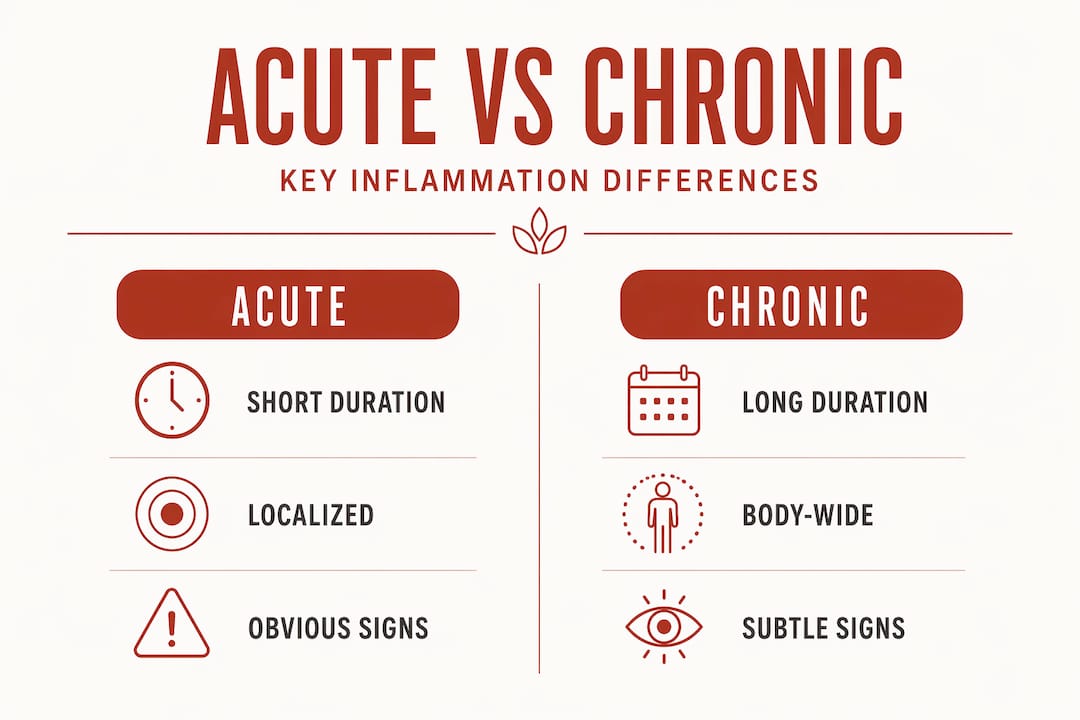
| Feature | Acute inflammation | Chronic systemic inflammation |
|---|---|---|
| Duration | Days to weeks | Months to years |
| Symptoms | Visible: redness, swelling, pain | Often silent or vague |
| Trigger | Specific injury or infection | Multiple, often overlapping causes |
| Immune activity | Targeted and resolves | Diffuse and persistent |
| Health impact | Protective, short-term | Damaging over time |
Pro Tip: If you feel persistently fatigued, mentally foggy, or achy without a clear reason, low-grade systemic inflammation may be worth discussing with your doctor, even if your routine bloodwork looks normal.
What causes systemic inflammation
No single trigger causes chronic systemic inflammation. More often, it’s a combination of factors that overactivate the immune system and prevent it from returning to baseline. Understanding your personal contributors is the first step toward effective management.
The most common drivers include:
- Persistent infections: Certain viral, bacterial, or fungal infections that the immune system can’t fully clear keep triggering inflammatory responses over time.
- Autoimmune conditions: In diseases like rheumatoid arthritis, lupus, and inflammatory bowel disease, the immune system mistakenly attacks the body’s own tissues, sustaining inflammation indefinitely.
- Diet: Diets high in refined sugars, processed foods, and trans fats promote inflammatory signaling. Diets low in fiber reduce the diversity of gut bacteria that help regulate immune responses.
- Physical inactivity: Regular movement helps modulate inflammatory pathways. Sedentary behavior removes that regulatory benefit.
- Chronic stress: Prolonged psychological stress elevates cortisol and other stress hormones that, over time, dysregulate immune function rather than suppress it.
- Poor sleep: Sleep is when the body performs critical immune regulation. Consistently poor sleep quality raises inflammatory markers, including C-reactive protein.
- Tobacco and excess alcohol: Both directly stimulate inflammatory pathways and impair the body’s ability to resolve inflammation.
- Environmental exposures: Long-term exposure to air pollution, pesticides, and certain industrial chemicals has been linked to elevated systemic inflammation.
- Genetics: Some people carry gene variants that make their immune systems more prone to persistent activation.
What makes this complicated is that these causes compound each other. Poor sleep worsens stress. Stress drives poor dietary choices. A high-sugar diet disrupts gut health, which further impairs immune regulation. The result is a self-reinforcing cycle that’s harder to break the longer it runs.
Pro Tip: Before reaching for supplements, identify which drivers apply to your life. Two people with the same elevated CRP level may need completely different interventions based on what’s actually fueling their inflammation.
How chronic inflammation damages the body
This is where the stakes become clear. Chronic low-grade inflammation doesn’t just make you feel off. Over time, it contributes to some of the most serious and prevalent diseases in modern medicine.

Chronic low-grade inflammation underpins type 2 diabetes, cardiovascular disease, obesity-related metabolic dysfunction, and neurodegenerative disorders like Alzheimer’s disease. The mechanism is consistent across these conditions. Persistent inflammatory signaling damages endothelial cells lining blood vessels, disrupts insulin signaling, accelerates cellular aging, and impairs the brain’s ability to clear metabolic waste.
Here’s what that looks like in practice across different body systems:
- Cardiovascular system: Inflammatory cytokines promote plaque buildup in arteries and increase the risk of clots, heart attack, and stroke.
- Metabolic system: Chronic inflammation interferes with insulin receptor signaling, contributing to insulin resistance and eventually type 2 diabetes.
- Brain and nervous system: Neuroinflammation is increasingly linked to depression, cognitive decline, and neurodegenerative conditions.
- Joints and connective tissue: Persistent immune activation erodes cartilage and synovial tissue even in people without a formal autoimmune diagnosis.
- Immune regulation: Paradoxically, chronic inflammation can impair the immune system’s ability to mount effective responses to new threats.
| Affected system | Associated condition | Mechanism |
|---|---|---|
| Cardiovascular | Heart disease, stroke | Endothelial damage, plaque formation |
| Metabolic | Type 2 diabetes | Insulin receptor disruption |
| Neurological | Cognitive decline, depression | Neuroinflammation, waste clearance failure |
| Musculoskeletal | Arthritis, joint degradation | Cartilage and synovial tissue erosion |
| Immune | Increased infection susceptibility | Dysregulated immune signaling |
The most dangerous aspect is the silence. You can have significant systemic inflammation and feel relatively fine for years. By the time symptoms become obvious, tissue damage may already be substantial.
Diagnosing and monitoring systemic inflammation
If chronic inflammation is often silent, how do you detect it? The most common clinical tool is a blood test measuring C-reactive protein, specifically the high-sensitivity version called hs-CRP. CRP is a protein the liver produces in response to inflammatory signals, and elevated CRP levels indicate systemic acute-phase activity. Erythrocyte sedimentation rate (ESR) and certain cytokine panels are also used.
The challenge is that these tests have real limitations:
- CRP rises in response to many different conditions, from infections to obesity to autoimmune disease. A high result tells you inflammation is present, but not why.
- Persistent mild CRP elevations require clinical investigation beyond the lab value itself to identify the source.
- Normal CRP does not rule out chronic inflammation. Some forms of low-grade inflammation don’t reliably elevate standard markers.
- Results are influenced by factors like body weight, recent illness, and medications, making single measurements unreliable without context.
- Repeated measurements over time, combined with clinical history and physical examination, provide far more useful information than any single test.
Emerging biomarkers like interleukin-6 (IL-6), tumor necrosis factor-alpha (TNF-α), and fibrinogen are being studied as more specific indicators, but they aren’t yet standard in routine clinical practice. The takeaway is that diagnosis requires a skilled clinician who treats test results as one piece of a larger picture, not a standalone answer.
How to reduce and manage chronic inflammation
Managing chronic inflammation effectively means addressing what’s driving it, not just trying to lower your markers. Inflammation can’t be completely switched off, and attempting to suppress it without understanding the source often leads to stalled progress.
Here’s a practical, evidence-based framework:
- Identify and treat underlying causes. If an autoimmune condition, persistent infection, or other medical driver is present, work with a physician to address it directly. No lifestyle change will fully compensate for an unmanaged autoimmune disease.
- Adopt an anti-inflammatory diet. Prioritize whole foods, vegetables, legumes, fatty fish, nuts, and olive oil. Reduce refined carbohydrates, processed meats, and added sugars. The Mediterranean dietary pattern has the strongest evidence base for reducing inflammatory markers.
- Move consistently. Moderate aerobic exercise, 150 minutes per week or more, has been shown to reduce circulating inflammatory cytokines. Resistance training adds additional metabolic benefits.
- Prioritize sleep quality. Seven to nine hours of consistent, quality sleep is not optional for immune regulation. Address sleep disorders like apnea if present.
- Manage stress physiologically. Mindfulness, breathing exercises, and social connection all reduce the chronic stress physiology that perpetuates inflammation. This isn’t soft advice. The cortisol-inflammation connection is well-documented.
- Eliminate tobacco and limit alcohol. These are two of the most direct, modifiable drivers of systemic inflammation.
- Track your progress. Stepwise, cause-focused management outperforms generic approaches. Retest inflammatory markers every three to six months when making changes, so you can see what’s actually working.
Pro Tip: Two people with identical inflammatory markers may need entirely different treatment approaches because different triggers are driving the same downstream inflammation. Personalized assessment is not a luxury. It’s the only approach that reliably works.
My honest take on chronic inflammation
I’ve spent years reading the research on chronic systemic inflammation, and the thing that strikes me most is how often people are handed generic advice that completely misses the point. Take an omega-3 supplement. Eat more turmeric. These things aren’t wrong, exactly, but they’re treating the downstream signal without asking what’s upstream.
In my experience, the people who make the most meaningful progress are the ones who get serious about identifying their specific drivers. Not “inflammation in general,” but their inflammation. Is it sleep deprivation? A gut microbiome disrupted by years of processed food? An undiagnosed autoimmune condition? Chronic work stress that never fully resolves?
What conventional approaches often miss is that ongoing inputs like poor sleep and persistent stress keep the inflammatory fire burning regardless of what supplements you add. You can’t out-supplement a lifestyle that’s continuously triggering your immune system.
The most empowering thing I can tell you is this: chronic inflammation is not inevitable, and it is not irreversible. But fixing it requires honesty about your habits, a skilled clinician who looks at the whole picture, and the patience to make changes that work over months, not days.
— Larry
Support your cellular health with Tryrevivify
Lifestyle changes lay the foundation, and targeted cellular support can complement that work. At Tryrevivify, we’ve built a supplement specifically designed to support your body’s health at the cellular level, where inflammation does much of its quiet damage.

Revivify’s patented formula combines superoxide dismutase (SOD) with prebiotic fiber, two components that work together to fight free radicals and reduce oxidation throughout the body. SOD is your cells’ primary antioxidant enzyme, and pairing it with prebiotic fiber supports the gut health that plays a direct role in immune regulation. As always, consult your healthcare provider before adding any supplement to your routine, especially when managing a known inflammatory condition. Explore the full Tryrevivify collection to learn more.
FAQ
What is chronic systemic inflammation?
Chronic systemic inflammation is a persistent, low-grade immune activation that affects the entire body, lasting months to years. Unlike acute inflammation, it often produces no obvious symptoms while quietly damaging tissues and contributing to chronic disease.
What are the most common signs of chronic inflammation?
Systemic inflammation symptoms can include persistent fatigue, brain fog, unexplained joint pain, and frequent illness, though many people have no noticeable symptoms at all. Blood markers like elevated hs-CRP can indicate its presence even when you feel relatively well.
What causes systemic inflammation to persist?
Chronic inflammation causes include autoimmune conditions, persistent infections, poor diet, physical inactivity, chronic stress, inadequate sleep, and tobacco use. These factors often overlap, creating a self-reinforcing cycle that keeps the immune system activated.
Can blood tests reliably detect chronic inflammation?
CRP and hs-CRP tests can signal systemic inflammation, but they are nonspecific and cannot identify the cause on their own. Normal results don’t always rule out low-grade inflammation, and interpretation requires clinical context beyond the lab value alone.
How do you reduce chronic systemic inflammation?
Effective chronic inflammation treatment focuses on identifying and addressing the specific drivers, whether dietary, lifestyle-related, or medical, rather than applying generic solutions. Anti-inflammatory diet changes, consistent exercise, quality sleep, and stress management form the evidence-based core of any management plan.