

The Gut Health and Heart Disease Connection Explained
Your gut and your heart are in constant conversation, and the science behind that relationship has moved well beyond theory. Researchers now understand that the gut health and heart disease connection is driven by real, measurable biological mechanisms, including microbial metabolites that travel through your bloodstream and directly influence inflammation, blood pressure, and arterial function. If you are concerned about cardiovascular risk, understanding what is happening in your gut may be one of the most practical places to start.
Table of Contents
- Key takeaways
- How gut microbiome metabolites influence heart disease
- Evidence linking gut changes to specific heart conditions
- Practical steps to protect your heart through gut health
- Tracking your gut-heart health progress
- My take on the gut-heart science
- Support your cellular health with Tryrevivify
- FAQ
Key takeaways
| Point | Details |
|---|---|
| Metabolites drive the connection | Gut bacteria produce compounds like TMAO and SCFAs that directly affect heart disease risk. |
| Dysbiosis is measurable | Patients with coronary heart disease show distinct microbial and inflammatory profiles compared to healthy individuals. |
| Synbiotics outperform prebiotics alone | Meta-analyses show synbiotics reduce systolic blood pressure by nearly 6 mmHg, while prebiotics alone show no significant effect. |
| Diet shapes your microbial output | High-fiber, plant-rich diets favor beneficial metabolites; Western diets shift production toward pro-inflammatory compounds. |
| Monitoring matters | Tracking blood pressure, cholesterol, and TMAO levels over time gives you a clearer picture of gut-heart progress. |
How gut microbiome metabolites influence heart disease
The gut microbiome is the community of trillions of bacteria, fungi, and other microorganisms living in your digestive tract. When that community is balanced, it produces metabolites that support vascular health and reduce inflammation. When it shifts into dysbiosis, meaning an imbalance toward harmful or opportunistic species, the metabolic output changes in ways that directly affect your cardiovascular system.
The gut–heart axis positions microbial metabolites as central regulators connecting diet, microbiome, and cardiovascular health. Here are the key metabolite categories you need to know:
- TMAO (trimethylamine N-oxide): Produced when gut bacteria convert choline and carnitine from red meat and eggs. Elevated TMAO is linked to endothelial dysfunction and inflammation, and it acts as a prognostic marker in heart failure patients.
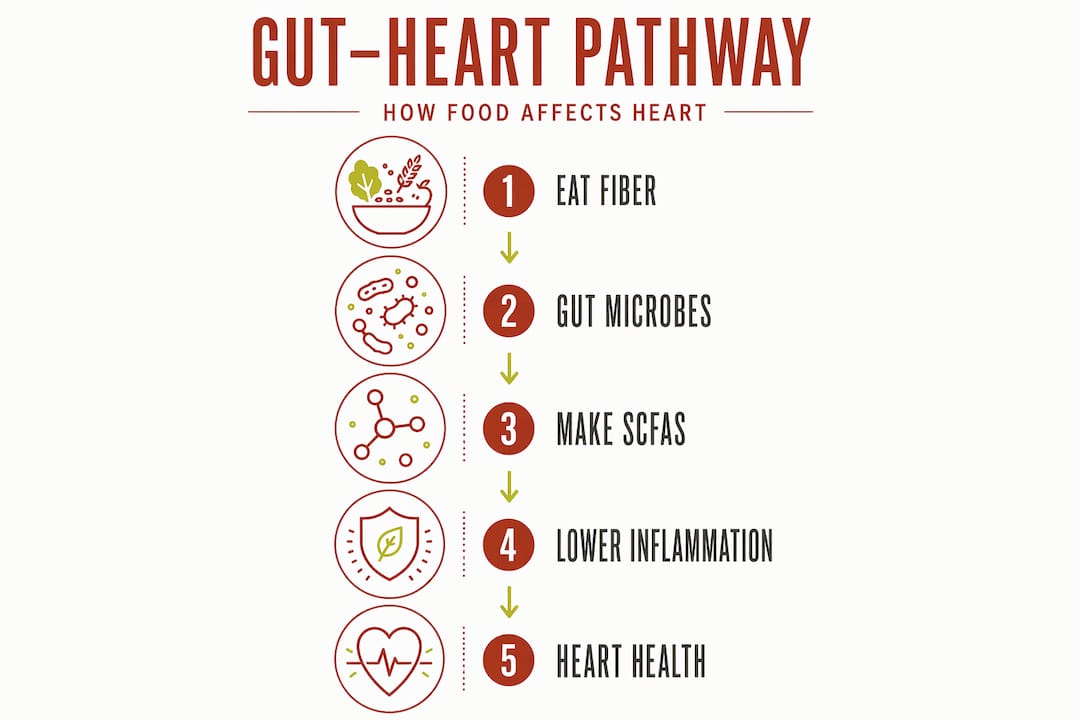
- SCFAs (short-chain fatty acids): Produced when beneficial bacteria ferment dietary fiber. Butyrate, acetate, and propionate lower blood pressure, reduce arterial inflammation, and support the intestinal barrier.
- Bile acids: Gut bacteria modify bile acids in ways that affect cholesterol metabolism and vascular tone. Disrupted bile acid profiles are associated with atherosclerosis.
- PAGln (phenylacetylglutamine): A lesser-known metabolite linked to platelet activation and increased cardiovascular event risk.
- Indoles: Derived from tryptophan, indoles support gut barrier integrity and have anti-inflammatory effects on blood vessels.
What you eat determines which of these pathways your microbiome favors. A high-fiber diet shifts production toward SCFAs and protective indoles. A Western diet high in processed meat and saturated fat shifts it toward TMAO and pro-inflammatory compounds. Think of your gut as a biochemical factory. The raw materials you supply determine what gets manufactured and shipped to your heart.
Pro Tip: Replacing one daily serving of red meat with legumes or whole grains is one of the most direct dietary changes you can make to shift gut metabolite production in a cardioprotective direction.
Evidence linking gut changes to specific heart conditions
The research connecting the gut microbiome and heart health has moved from observational to mechanistic, and the findings are specific enough to be clinically meaningful.

Patients with coronary heart disease show a measurable pattern of gut dysbiosis. A multi-omics analysis found 32 differentially expressed metabolites and 38 proteins associated with inflammation and coagulation in CHD patients, along with increased gram-negative and opportunistic bacterial taxa and a reduction in SCFA-producing species. This is not a subtle shift. It is a distinct biological signature that separates people with heart disease from healthy individuals at the microbial level.
Here is what the research shows across specific cardiovascular conditions:
- Hypertension: A meta-analysis found that gut microbiota-targeting therapies reduce systolic blood pressure by 3.38 mmHg and diastolic blood pressure by 1.54 mmHg on average. Synbiotics produced the largest systolic reduction at 5.95 mmHg.
- Atherosclerosis: Dysbiosis promotes arterial plaque formation through TMAO-driven endothelial inflammation and impaired reverse cholesterol transport.
- Heart failure: Elevated TMAO concentrations in heart failure patients correlate with worse prognosis and myocardial remodeling, creating a self-reinforcing cycle where intestinal dysbiosis worsens cardiac function and cardiac dysfunction further damages gut barrier integrity.
| Condition | Gut-related mechanism | Key metabolite involved |
|---|---|---|
| Hypertension | Reduced SCFA production, increased inflammation | SCFAs, bile acids |
| Atherosclerosis | Endothelial dysfunction, impaired cholesterol metabolism | TMAO, bile acids |
| Heart failure | Myocardial remodeling, oxidative stress, fibrosis | TMAO |
| Coronary heart disease | Dysbiosis-driven inflammation and coagulation changes | Multiple metabolites |
Beyond established disease, research shows that gut metabolite signals like phenylalanine and tyrosine markers relate to heart and kidney function in apparently healthy populations. This means the gut-heart axis may offer early risk detection long before symptoms appear.
Practical steps to protect your heart through gut health
Understanding the science is only useful if it translates into something you can actually do. The good news is that the gut health and heart disease connection responds meaningfully to lifestyle changes, and the most effective strategies are not complicated.
-
Prioritize dietary fiber above all else. Aim for 30 or more grams of fiber per day from whole grains, legumes, vegetables, and fruit. Fiber is the primary fuel for SCFA-producing bacteria, and SCFAs are among the most cardioprotective compounds your gut can generate.
-
Choose synbiotics over standalone prebiotics. The meta-analysis on hypertension makes this clear. Prebiotics alone showed no significant blood pressure reduction. Synbiotics, which combine probiotics and prebiotics together, produced the largest measurable cardiovascular benefit. Look for formulations that pair specific bacterial strains with their preferred fiber substrates.
-
Commit to at least three months. Diastolic blood pressure reductions from gut microbiota interventions only became significant after more than three months of consistent use. Short-term trials with probiotics often show modest results because microbial communities take time to shift.
-
Support your intestinal barrier. A damaged gut lining amplifies systemic inflammation by allowing bacterial fragments into the bloodstream. Intestinal barrier integrity is a critical but often overlooked factor in cardiovascular probiotic efficacy. Foods rich in zinc, glutamine, and polyphenols help maintain that barrier.
-
Reduce red meat and processed foods. These directly feed TMAO-producing bacteria. You do not need to eliminate them entirely, but reducing frequency matters. Substituting plant proteins several days per week measurably shifts your microbial metabolite profile within weeks.
-
Move your body consistently. Physical activity independently promotes microbial diversity and SCFA production, separate from diet. Even 30 minutes of moderate walking five days per week shows measurable effects on gut microbiome composition.
Pro Tip: When evaluating probiotic supplements for cardiovascular support, check that the product specifies bacterial strains by genus, species, and strain designation, such as Lactobacillus rhamnosus GG. Generic “probiotic blend” labels rarely tell you whether the strains included have any cardiovascular evidence behind them.
Tracking your gut-heart health progress
Knowing what to measure gives you a feedback loop that keeps your efforts grounded in reality rather than guesswork. The gut microbiome and heart health relationship produces changes you can actually monitor over time.
The most practical biomarkers to track include:
- Blood pressure: The most accessible and direct indicator. Track it at home with a validated cuff, at the same time each day, and log trends over weeks rather than single readings.
- Fasting lipid panel: LDL cholesterol, HDL cholesterol, and triglycerides all reflect, in part, how gut bacteria are processing dietary fats and bile acids. Request this at your annual physical or every six months if you are actively making changes.
- High-sensitivity CRP (hsCRP): A blood marker of systemic inflammation. Reductions in hsCRP over three to six months suggest your gut-driven inflammatory burden is decreasing.
- TMAO levels: Not yet standard in routine care, but available through specialty labs. Given that TMAO levels do not always decrease reliably with microbial interventions due to host metabolism and kidney function, interpret this marker cautiously and always with a clinician’s guidance.
- Fasting glucose and insulin: Gut dysbiosis also affects metabolic health, and improving gut balance often shows up in better glucose regulation before it shows up in lipid panels.
Work with your healthcare provider to establish a baseline before making major changes, then retest at three and six months. This timeline aligns with the intervention durations that show the most meaningful results in clinical research.
My take on the gut-heart science
I have followed this research closely for years, and what strikes me most is how often the gut-heart conversation gets framed as a supplement story when it is really a diet story.
In my experience, the people who see the most meaningful cardiovascular improvement from gut health interventions are not the ones who add a probiotic capsule to an unchanged diet. They are the ones who overhaul their fiber intake, cut back on the foods that feed TMAO-producing bacteria, and then use targeted synbiotics as a complement to those changes. The supplement works because the dietary foundation is there to support it.
I am also cautious about TMAO as a standalone biomarker. The impact of gut bacteria on heart disease is real, but TMAO levels vary based on kidney function, individual host metabolism, and diet on any given day. Treating it as a precise, actionable number without that context can lead to unnecessary anxiety or misplaced confidence.
The most honest thing I can tell you is this: the relationship between gut flora and heart health is one of the most promising areas in cardiovascular prevention right now. But it rewards patience, consistency, and a realistic understanding of what the evidence actually supports.
— Larry
Support your cellular health with Tryrevivify
If you are taking the gut-heart connection seriously, supplementation that works at the cellular level is worth considering as part of your broader strategy.
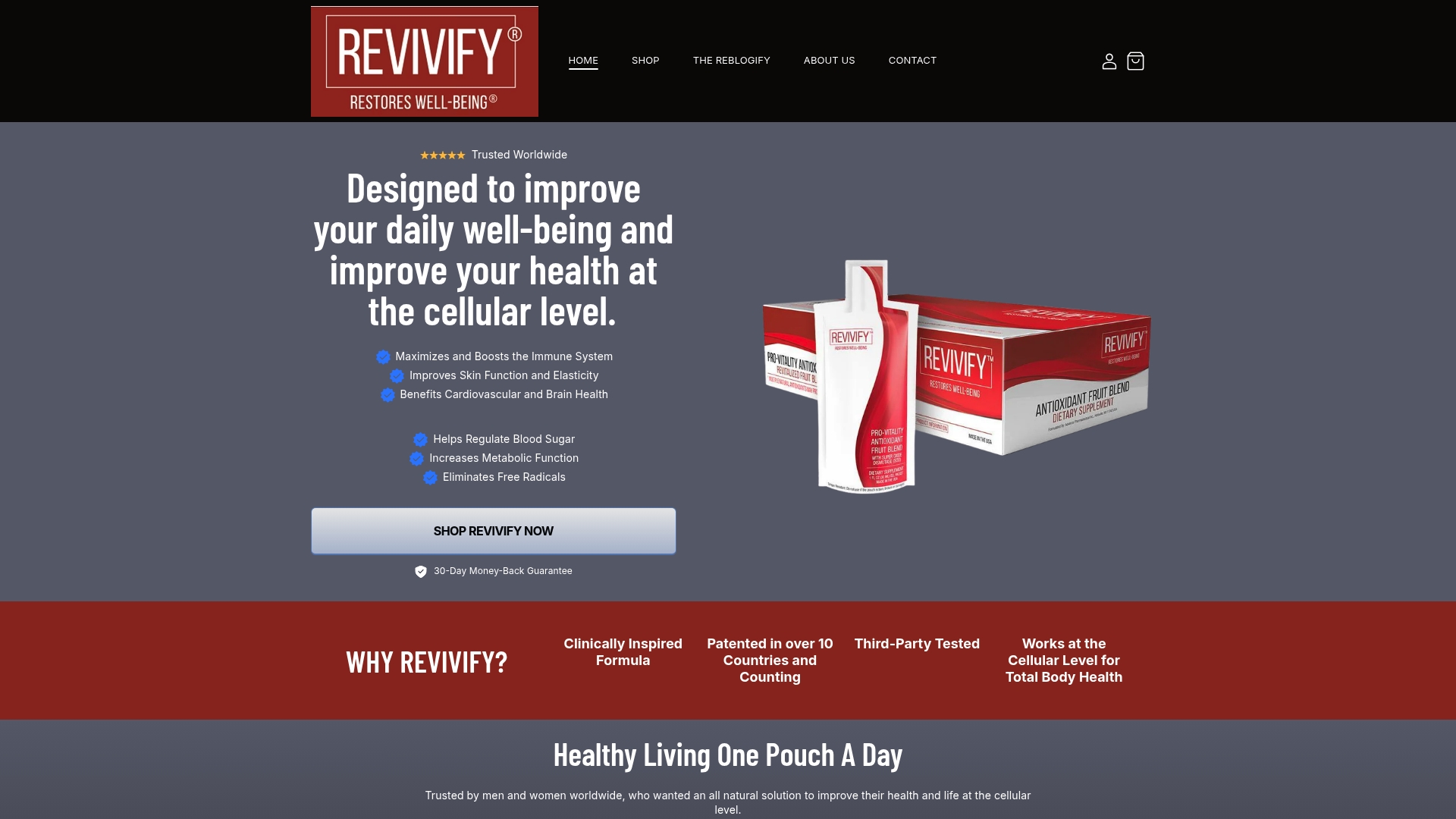
At Tryrevivify, we built our patented daily supplement around two core ingredients: superoxide dismutase (SOD) and prebiotic fiber. SOD is your body’s primary defense against free radical damage and oxidative stress, both of which are central drivers of the cardiovascular inflammation this article covers. The prebiotic fiber component directly supports the beneficial gut bacteria that produce cardioprotective SCFAs. Together, they address the gut-heart axis from two directions at once. If you are ready to take a targeted step, explore the Revivify 30-day supply and speak with your healthcare provider about whether it fits your cardiovascular wellness plan.
FAQ
Can gut health actually affect heart disease risk?
Yes. Gut bacteria produce metabolites like TMAO and SCFAs that directly influence inflammation, blood pressure, and arterial function, all of which are core drivers of heart disease.
What is TMAO and why does it matter for the heart?
TMAO is a compound gut bacteria produce from choline and carnitine in red meat. Elevated TMAO is linked to endothelial dysfunction, inflammation, and worse outcomes in heart failure patients.
Do probiotics help with blood pressure?
Synbiotics, which combine probiotics and prebiotics, show the strongest evidence, reducing systolic blood pressure by nearly 6 mmHg in meta-analyses. Prebiotics alone show no significant effect, and benefits require more than three months of consistent use.
How long does it take to see cardiovascular benefits from gut health changes?
Clinical research shows meaningful blood pressure and inflammatory marker improvements typically emerge after three to six months of consistent dietary and supplementation changes.
What foods most directly support the gut-heart connection?
High-fiber foods like legumes, whole grains, vegetables, and fruit promote SCFA production. Reducing red meat and processed foods lowers TMAO-generating microbial activity, which is one of the most direct gut health tips for heart disease prevention.