

How to Feed Beneficial Gut Bacteria Daily
Feeding beneficial gut bacteria daily means consistently giving your gut microbiome the fiber and fermented foods it needs to thrive. Your gut hosts trillions of microorganisms, and what you eat determines whether the beneficial ones flourish or fade. Adults who eat diverse plant foods rich in fiber, legumes, whole grains, and fermented items see measurable improvements in microbial diversity, digestion, and even mood. The goal is not a single superfood. It is a consistent daily pattern that nourishes gut flora from breakfast through dinner.
What role does fiber play in feeding beneficial gut bacteria effectively?
Fiber is the primary fuel source for beneficial gut bacteria. Think of it as the food your microbiome eats so it can do its job for you. When bacteria ferment fiber in your colon, they produce short-chain fatty acids (SCFAs) like butyrate, propionate, and acetate. These SCFAs reduce gut inflammation, strengthen the intestinal lining, and signal your immune system to stay balanced.
Adults should target 25–38 grams of fiber daily to adequately support gut bacteria and SCFA production. Most Americans fall well short of that target, averaging closer to 15 grams per day. That gap matters because underfed gut bacteria produce fewer SCFAs, which weakens the gut lining over time.
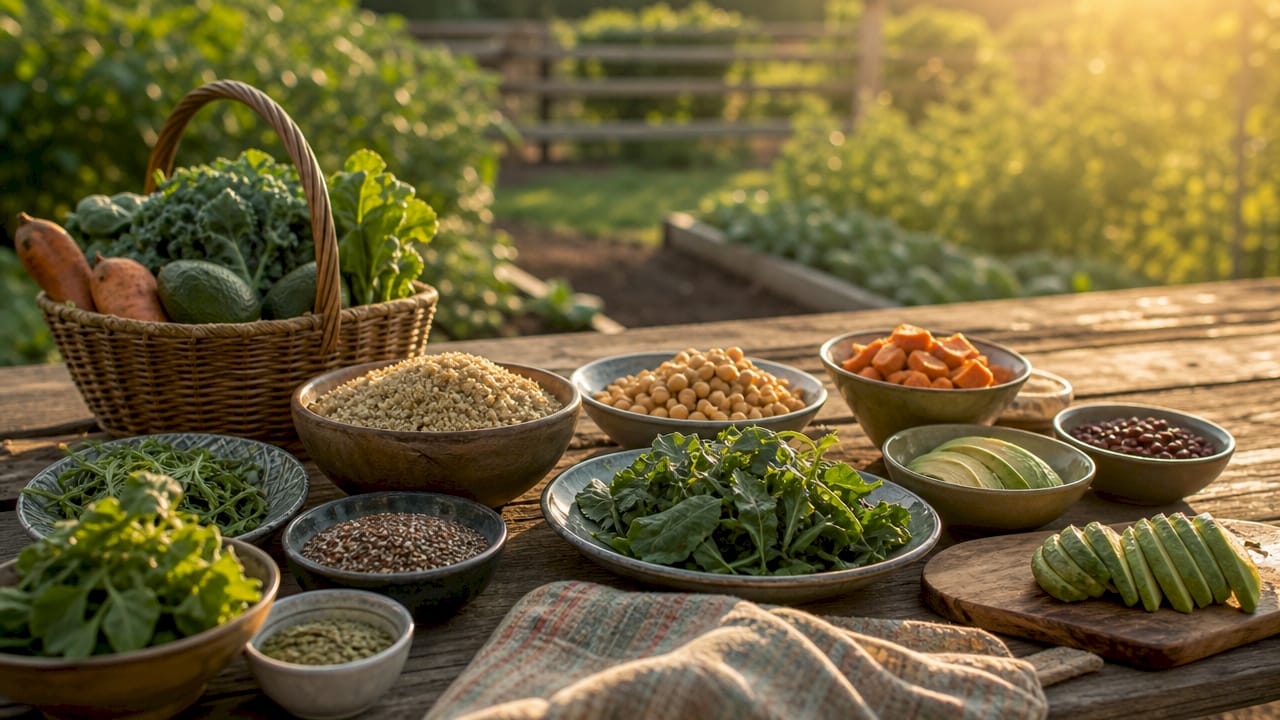
Not all fiber works the same way. Soluble fiber dissolves in water and forms a gel that slows digestion, feeding bacteria like Bifidobacterium and Lactobacillus. Insoluble fiber adds bulk and speeds transit time. Fermentable fiber, found in foods like oats, garlic, onions, and legumes, is the most potent prebiotic fuel. Understanding how fiber reduces gut inflammation helps explain why a plant-rich diet consistently outperforms supplement-only approaches.
The best fiber sources to rotate daily include:
- Fruits: apples, bananas (slightly underripe), berries, pears
- Vegetables: broccoli, carrots, artichokes, Brussels sprouts
- Legumes: lentils, black beans, chickpeas
- Whole grains: oats, barley, quinoa, brown rice
- Nuts and seeds: chia seeds, flaxseeds, almonds
Pro Tip: Increase your fiber intake gradually over 1–2 weeks and drink at least 8 glasses of water daily. A sudden fiber increase causes bloating and cramping because your microbiome needs time to adapt.
How can fermented foods be incorporated daily to introduce beneficial microbes?
Fermented foods deliver live beneficial microbes directly to your digestive tract. These are the probiotics your gut bacteria interact with every day. Unlike fiber, which feeds existing bacteria, fermented foods temporarily introduce new microbial workers that help break down food compounds and support immune response. Probiotics from fermented foods do not colonize permanently, but their daily presence creates a consistent positive effect on digestion and microbial diversity.
Adding one serving of fermented food daily improves digestion, reduces bloating, and increases microbial diversity within weeks. That single serving is a low bar with a high payoff. You do not need to overhaul your entire diet. You just need one consistent addition per day.
Practical fermented foods to rotate into daily meals:
- Yogurt with live active cultures: stir into smoothies or eat with fruit at breakfast
- Kefir: drink as a morning beverage or blend into oatmeal
- Sauerkraut: add a tablespoon to eggs, salads, or grain bowls
- Kimchi: use as a side dish or mix into rice and stir-fries
- Miso: dissolve into warm (not boiling) water for a quick broth
- Tempeh: slice and pan-fry as a protein source in wraps or bowls
One common myth is that more fermented food is always better. Excess intake can cause temporary gas and bloating, especially if your gut is not accustomed to live cultures. Start with one small serving and build from there. Also check labels carefully. Many commercial pickles and yogurts are pasteurized or contain added sugars, which neutralize the live cultures. Look for labels that say “live and active cultures” or “naturally fermented.” Learning how gut microbiome affects digestion makes it easier to understand why these daily additions matter beyond just digestion.
What lifestyle habits support the daily nourishment of gut bacteria?
Diet is the foundation, but lifestyle habits either amplify or undercut everything you eat. Four specific behaviors have the clearest evidence for supporting gut microbial health alongside a fiber-rich diet.
-
Exercise regularly. Moderate to high intensity exercise for 30–90 minutes, at least 3 times per week over 8 weeks measurably improves gut microbiome composition and diversity. Exercise increases oxygen delivery to gut tissue and stimulates the production of beneficial microbial metabolites. You do not need to run marathons. Brisk walking, cycling, or swimming all count.
-
Move after meals. An 8–10 minute walk after eating stimulates intestinal motility and helps prevent gas and stagnation. Think of it as a natural digestive reset. Sitting still after a meal slows transit time, which allows food to ferment longer than ideal in the upper gut.
-
Distribute fiber throughout the day. Front-loading fiber at dinner overwhelms digestion and causes discomfort. Starting the day with a high-fiber breakfast, such as oatmeal with chia seeds and berries, spreads the digestive workload evenly and supports steady energy. Your gut bacteria benefit from a consistent supply, not a single large dose.
-
Manage stress and prioritize sleep. Chronic stress elevates cortisol, which disrupts gut motility and reduces microbial diversity. Poor sleep has a similar effect. Aim for 7–9 hours of sleep per night and build at least one stress-reduction practice into your daily routine, whether that is deep breathing, walking, or limiting screen time before bed.
Pro Tip: Cut ultra-processed foods before adding supplements. Foods high in emulsifiers, artificial sweeteners, and refined starches actively disrupt gut microbiome balance and create an environment where harmful bacteria outcompete beneficial ones.
How to build a daily routine that sustainably nourishes gut bacteria
Consistency beats perfection every time when it comes to gut health. A 30-day period of consistent fiber intake and removal of inflammatory triggers produces meaningful, measurable changes in digestion and energy. You do not need a cleanse or a dramatic reset. You need a repeatable daily structure.
Here is a practical framework for building that structure:
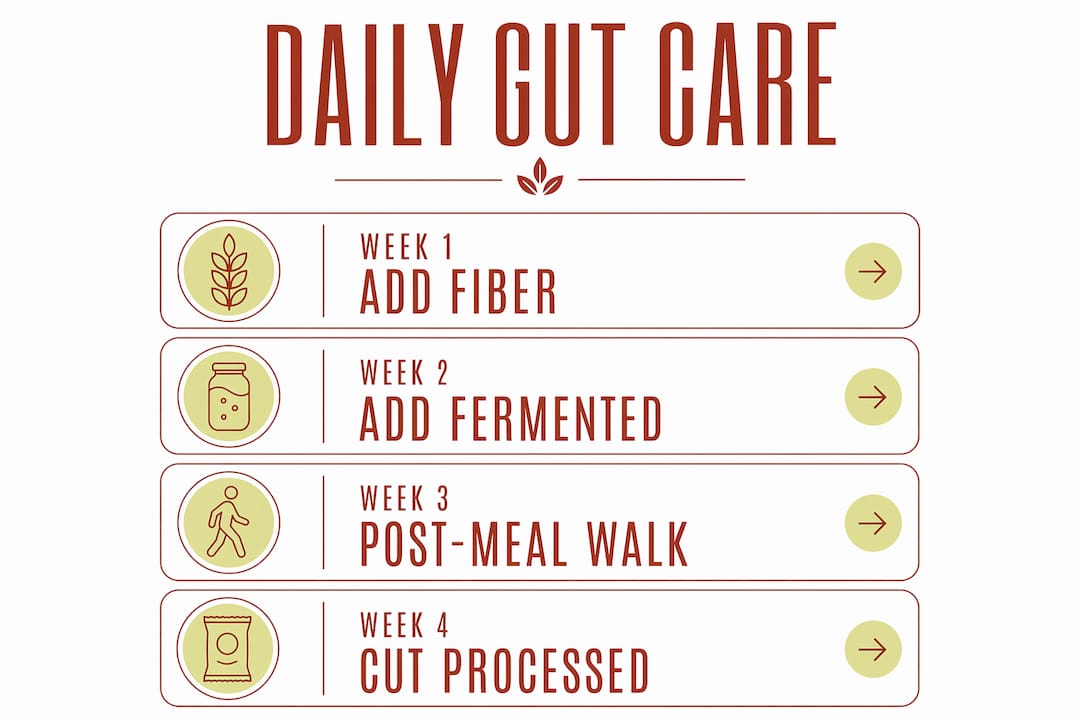
Week 1: Add one fiber-rich food to each meal. Do not change anything else yet. Track how you feel after each meal using a simple notes app or journal. Drink an extra glass of water with each fiber addition.
Week 2: Add one serving of fermented food daily. Choose whichever option fits your existing meals most naturally. Kefir at breakfast or sauerkraut at lunch are the easiest entry points for most people.
Week 3: Add a 10-minute post-meal walk after your largest meal of the day. This single habit noticeably reduces post-meal bloating and heaviness.
Week 4: Audit your processed food intake. Identify two or three ultra-processed items you eat regularly and replace them with whole food alternatives.
The table below shows a sample daily food plan that covers both prebiotic fiber and probiotic fermented foods across three meals.
| Meal | Prebiotic fiber source | Probiotic fermented source |
|---|---|---|
| Breakfast | Oatmeal with chia seeds and berries | Kefir or yogurt with live cultures |
| Lunch | Lentil soup with whole grain bread | Sauerkraut or kimchi as a side |
| Dinner | Roasted vegetables with quinoa | Miso broth or tempeh as protein |
| Snack | Apple with almond butter | Plain yogurt with live cultures |
Common challenges and how to handle them:
- Bloating in week 1: Normal and temporary. Reduce fiber by one serving and increase water intake. Resume the increase more slowly.
- Disliking fermented foods: Start with mild options like plain yogurt or kefir before moving to stronger flavors like kimchi or miso.
- Forgetting hydration: Set a phone reminder to drink water at each meal and mid-morning.
The gut microbiome’s metabolic activity is what drives long-term health outcomes, not just the presence of specific bacteria. Diversity of plant foods is the single most reliable way to support that metabolic activity. Aim for at least 30 different plant foods per week. That number sounds large but becomes achievable when you count herbs, spices, and different varieties of the same vegetable. Understanding how to improve your gut microbiome with prebiotics gives you a deeper foundation for making these choices confidently.
Key takeaways
Consistently eating diverse fiber-rich plant foods and at least one daily serving of fermented food is the most effective strategy to nourish gut bacteria and improve digestive health long-term.
| Point | Details |
|---|---|
| Fiber is the primary fuel | Target 25–38 grams of fiber daily to feed gut bacteria and produce beneficial SCFAs. |
| Fermented foods add live microbes | One daily serving of yogurt, kefir, or kimchi improves microbial diversity within weeks. |
| Gradual increase prevents discomfort | Raise fiber intake over 1–2 weeks with increased water to avoid bloating and cramping. |
| Lifestyle habits amplify diet | Exercise 3 times per week and take a short walk after meals to support gut motility. |
| Diversity drives microbiome health | Rotating 30 or more plant foods weekly maximizes microbial metabolic activity and balance. |
What I’ve learned from watching people change their gut health
Most people approach gut health the way they approach a diet: with intensity for two weeks, then abandonment. The readers I’ve seen make real, lasting improvements do the opposite. They pick one habit, make it boring and automatic, and then add the next one.
The food-first principle is not just a preference. Fiber feeds existing gut bacteria in a way that no probiotic supplement can replicate. Supplements have their place, but they cannot substitute for the daily metabolic work that dietary fiber drives. I’ve watched people spend significant money on probiotic capsules while eating a low-fiber diet and wonder why nothing changes.
The other thing I’d push back on is the obsession with specific “superfoods.” No single food determines gut health. The pattern across weeks and months does. An imperfect day with a burger and fries does not undo a week of consistent fiber and fermented foods. Patience and repetition are the actual tools here, not willpower or the perfect supplement stack.
— Larry
A supplement that works alongside your daily gut health routine
Building a fiber-rich, fermented food routine is the foundation. Tryrevivify is designed to complement that foundation, not replace it.
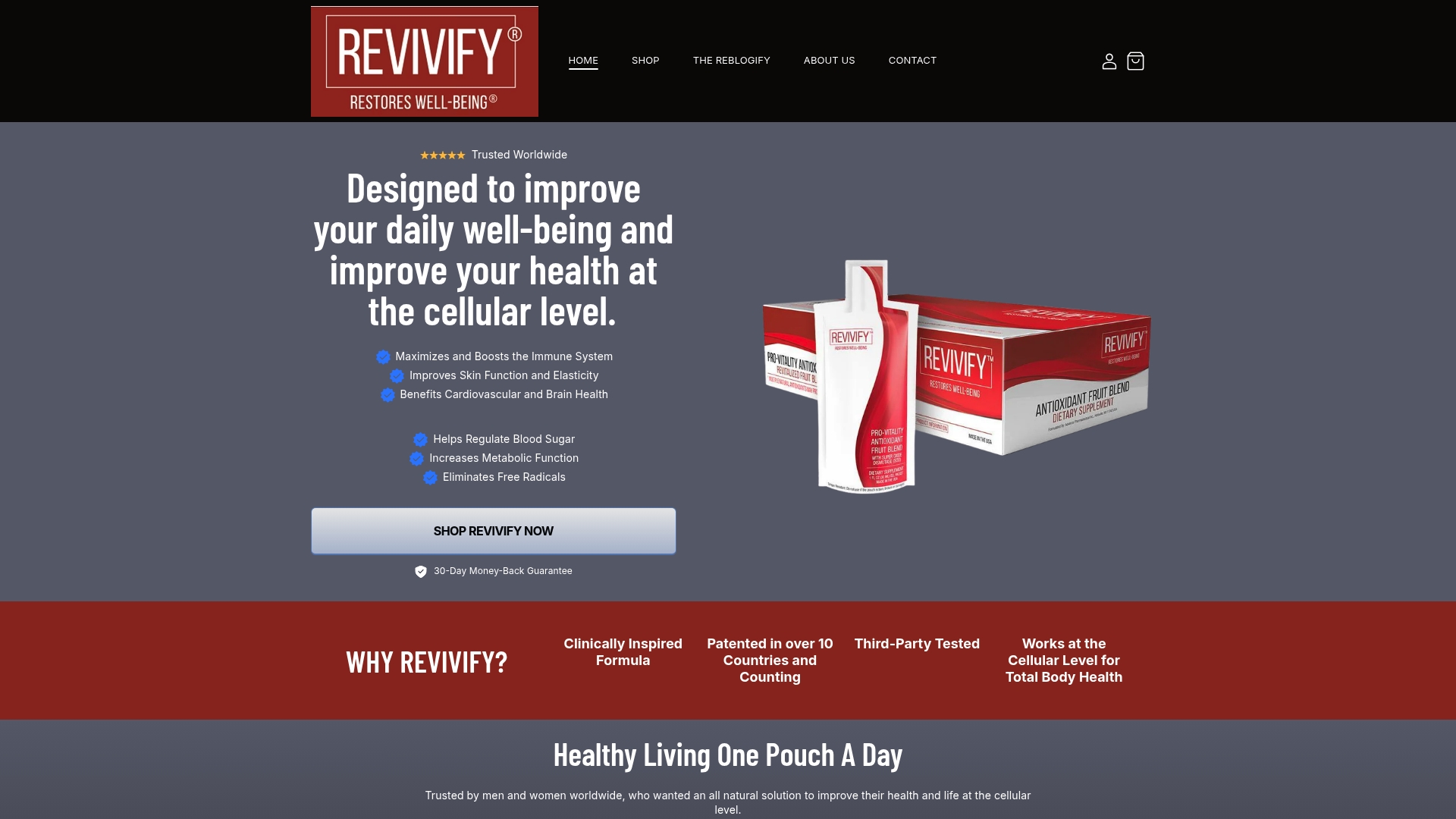
Tryrevivify combines superoxide dismutase (an enzyme that neutralizes harmful free radicals at the cellular level) with prebiotic fiber in a patented formula. That combination means you are supporting both your gut microbiome and your body’s cellular defense system in a single daily supplement. It fits naturally into the routine you are already building. If you want to add a layer of cellular and gut health support to your daily habits, the Tryrevivify 30-day supply is a practical next step worth considering.
FAQ
What foods feed beneficial gut bacteria most effectively?
Fiber-rich plant foods like oats, legumes, garlic, onions, and berries are the most effective prebiotic fuel for beneficial gut bacteria. Fermented foods like yogurt, kefir, and kimchi add live microbes that support digestion and microbial diversity.
How much fiber do you need daily to support gut bacteria?
Adults need 25–38 grams of fiber daily to adequately fuel gut bacteria and sustain short-chain fatty acid production. Most Americans consume roughly half that amount.
Do probiotics permanently colonize the gut?
Probiotics from fermented foods do not permanently colonize the gut. They provide temporary microbial support that improves digestion and immune response while present, which is why daily intake matters.
How quickly can diet changes improve gut health?
Consistent fiber intake and removal of inflammatory triggers produce meaningful digestive changes within 30 days. Microbial diversity improvements are measurable within weeks of adding fermented foods and diverse plant foods.
Is it better to take a probiotic supplement or eat fermented foods?
Fermented foods are the preferred source because they deliver live cultures alongside fiber, vitamins, and other compounds that supplements lack. A food-first, plant-rich diet consistently outperforms supplement-only approaches for long-term gut health.