

Why Antioxidants Support Immune Function: Science Explained
Antioxidants support immune function by maintaining redox balance — keeping reactive oxygen species (ROS) in check so immune cells can signal, differentiate, and clear pathogens without destroying themselves in the process. Two systems sit at the center of this: the glutathione system and the thioredoxin system, both of which neutralize excess ROS inside immune cells and protect the signaling pathways those cells depend on. The practical implication is real: when diet, age, or chronic exposure tips the balance toward oxidative stress, targeted nutritional support can help restore it.
TL;DR
- Eat a varied, colorful diet rich in vitamins C, E, A, and polyphenols every day.
- Reduce oxidative load: cut smoking, limit processed sugar, manage chronic stress.
- For age-related decline, high pollutant exposure, or confirmed deficiency, consider enzyme-based formulas that protect fragile antioxidants like superoxide dismutase (SOD) through delivery.
Table of Contents
- How antioxidants work in the immune system
- What each key antioxidant actually does for your immune cells
- What clinical evidence actually shows about antioxidant supplementation
- Practical steps to support your immune system with antioxidants
- Why recent research points to a network approach, not a single fix
- Key Takeaways
- The part most antioxidant articles get wrong
- Revivify supports your antioxidant network where it counts
- Sources and further reading
How antioxidants work in the immune system
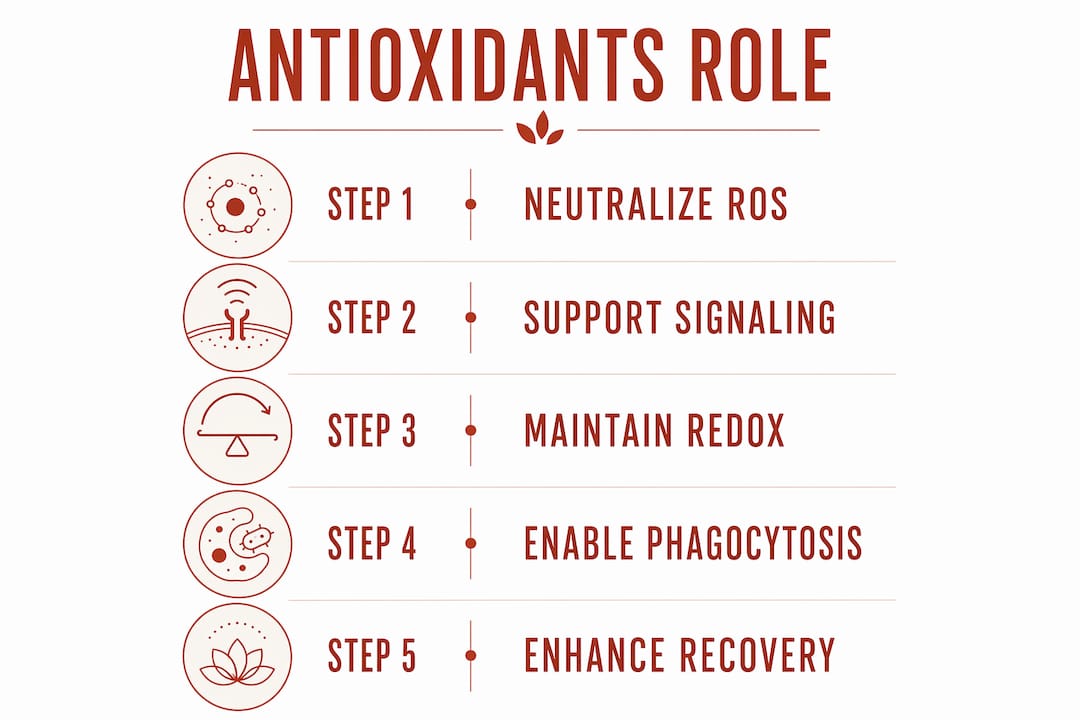
The relationship between antioxidants and immunity starts with a paradox. Phagocytic immune cells — macrophages and neutrophils — deliberately produce ROS to kill bacteria and viruses. That burst of oxidative firepower is intentional and necessary. The problem is that without adequate intracellular antioxidants, those same cells suffer collateral damage to their own membranes, proteins, and signaling machinery.
Redox control — the balance between ROS production and antioxidant neutralization — regulates immune pathways including NF-κB and HIF1α, which govern both pro-inflammatory and anti-inflammatory cytokine production. When oxidative stress becomes chronic, these pathways dysregulate. The result is impaired pathogen clearance, distorted cytokine responses, and reduced T-cell activation. Oxidative damage to cell-to-cell communication is a primary driver of blunted immune responses in both innate and adaptive arms.
“Antioxidant support aims to modulate ROS signals rather than eliminate them; lifestyle measures that reduce chronic oxidative stress work by rebalancing this network.” — Nature Reviews Molecular Cell Biology, 2023
The glutathione and thioredoxin systems are the two main intracellular antioxidant networks. Glutathione, synthesized from cysteine, glycine, and glutamate, directly quenches ROS and regenerates oxidized vitamin C and E back to their active forms. Thioredoxin handles a parallel set of redox reactions and supports DNA repair in immune cells under stress. Neither system works in isolation — they are interdependent, and both depend on dietary cofactors to function.
Pro Tip: If you’re experiencing frequent infections, chronic fatigue, or slow recovery from illness, these can be early signs of elevated oxidative stress. A clinician can assess markers like glutathione peroxidase activity or plasma vitamin C to identify where your antioxidant capacity may be falling short.
What each key antioxidant actually does for your immune cells
Different antioxidants operate in different cellular compartments and by different mechanisms. Water-soluble antioxidants like vitamin C work in plasma and cytosol; lipid-soluble ones like vitamin E protect cell membranes; enzymatic antioxidants like SOD and catalase neutralize specific ROS species at the source.
| Antioxidant | Primary cellular role | Key immune targets | Food sources |
|---|---|---|---|
| Vitamin C (ascorbic acid) | Scavenges ROS in plasma and cytosol; regenerates vitamin E | Neutrophils, lymphocytes, skin barrier | Citrus, bell peppers, kiwi, broccoli |
| Vitamin E (alpha-tocopherol) | Protects cell membranes from lipid peroxidation | T-cells, macrophage membranes | Sunflower seeds, almonds, wheat germ oil |
| Vitamin A / carotenoids | Maintains mucosal and epithelial barrier integrity | Mucosal immune cells, NK cells | Sweet potato, carrots, leafy greens |
| Polyphenols (e.g., quercetin) | Modulate NF-κB and inflammatory signaling | Macrophages, dendritic cells | Berries, green tea, dark chocolate |
| Glutathione | Master intracellular ROS quencher; regenerates other antioxidants | All immune cells | Synthesized endogenously; supported by cysteine, selenium |
| Superoxide dismutase (SOD) | Converts superoxide radical to hydrogen peroxide | Mitochondria, cytosol of immune cells | Supported by manganese, copper, zinc intake |
| Catalase | Breaks hydrogen peroxide into water and oxygen | Peroxisomes in phagocytes | Supported by iron intake |
| Thioredoxin | Reduces oxidized proteins; supports DNA repair | T-cells, B-cells under stress | Endogenous; supported by selenium |
| Selenium | Cofactor for glutathione peroxidase | All enzymatic antioxidant systems | Brazil nuts, tuna, eggs |
Dietary antioxidants including ascorbic acid, alpha-tocopherol, carotenoids, and selenium as an enzymatic cofactor have all shown measurable effects on cell-mediated immune responses. Selenium deserves particular attention: it is integral to glutathione peroxidase, and without adequate selenium intake, the entire glutathione system underperforms regardless of how much glutathione precursor you consume.
A word on resveratrol and polyphenols broadly: the in vitro data looks compelling, but clinical translation is limited by poor oral bioavailability, rapid metabolism, and inconsistent dosing across human trials. Eating polyphenol-rich whole foods delivers a matrix of compounds that work synergistically; isolated resveratrol supplements rarely replicate that effect at the tissue level. For key nutrients supporting immune cellular defense, the food-first principle holds.
What clinical evidence actually shows about antioxidant supplementation
The evidence supports antioxidants in specific, well-defined contexts. It does not support the idea that high-dose supplementation universally prevents illness or accelerates recovery.
Where the evidence is clearest:
- Vitamin A in measles: Supplementation in deficient children reduces measles morbidity and mortality — one of the strongest clinical signals in this field.
- Vitamin C and respiratory infections: Consistent evidence shows reductions in duration and severity of common colds, particularly in people under high physical stress like marathon runners.
- Elderly populations: Clinical trials have reported increased activation of cells involved in tumor immunity in older adults after antioxidant supplementation, a population where baseline antioxidant status is often compromised.
- High-exposure groups: Smokers, people with chronic pollutant exposure, and those with metabolic conditions like diabetes show measurable depletion of antioxidant reserves and may benefit from targeted support.
Where the evidence is weaker or mixed:
- Sepsis and critical illness: Vitamin C in intensive care has not produced consistent improvements in clinical outcomes despite strong mechanistic rationale. The disconnect likely reflects the complexity of systemic inflammation at that severity.
- Healthy adults with adequate intake: Supplementation on top of a nutrient-sufficient diet rarely produces measurable immune improvements in clinical trials.
- Isolated high-dose antioxidants: Some trials have shown that very high doses of beta-carotene increased lung cancer risk in smokers — a clear signal that more is not always better.
“The search for a single ‘silver-bullet’ antioxidant is misguided; clinicians and researchers favor combinations and delivery technologies because single agents like resveratrol suffer bioavailability and dosing problems.” — MDPI Nutrients, 2020
Risks worth knowing:
- Reductive stress (excess antioxidant activity) can suppress necessary ROS signaling, blunting immune activation.
- High-dose vitamin E can interact with blood-thinning medications.
- Antioxidant supplementation timed immediately before or after vaccination may theoretically interfere with the oxidative signals that help prime immune memory — though human data on this is limited. Consult your clinician before supplementing around vaccine schedules.
- Nutrient imbalances from single-supplement focus can mask deficiencies in cofactors like selenium or zinc.
Practical steps to support your immune system with antioxidants
The most effective approach combines food-first nutrition, lifestyle changes that reduce oxidative load, and targeted supplementation only when the context warrants it.
- Eat a varied, colorful diet every day. Aim for at least five servings of vegetables and fruit spanning multiple colors. Each color group delivers a different antioxidant profile: orange and yellow for carotenoids, dark green for folate and vitamin C, purple and red for anthocyanins and polyphenols.
- Reduce your oxidative load. Smoking is one of the most potent drivers of systemic oxidative stress. Excess refined sugar, chronic psychological stress, and heavy alcohol use all deplete antioxidant reserves. Addressing these factors does more for your redox balance than any supplement.
- Exercise sensibly. Moderate aerobic exercise upregulates endogenous antioxidant enzyme production, including SOD and catalase. Excessive, unrecovered training does the opposite, generating more ROS than the body can buffer. The dose matters.
- Manage blood glucose. Chronically elevated blood sugar generates advanced glycation end-products and accelerates ROS production. Metabolic oxidative stress is a major but underappreciated driver of immune dysfunction in people with insulin resistance or diabetes.
- Consider supplementation for the right reasons. Confirmed deficiency, advancing age, high pollutant exposure, or a clinician’s recommendation are legitimate triggers. Random high-dose supplementation without a clear rationale is not.
- Watch for interactions. High-dose vitamin E and anticoagulants, high-dose vitamin A and liver toxicity risk, and antioxidant timing around cancer therapy are all documented concerns. Always loop in a clinician before starting a new supplement regimen.
- Prioritize bioavailability. Not all supplement forms reach target tissues. Enzyme antioxidants like SOD are particularly fragile in the gastrointestinal tract; unprotected oral SOD is largely degraded before absorption. Gel-based or encapsulated formulations that protect the enzyme through digestion are mechanistically more likely to deliver tissue-level activity.
Pro Tip: When evaluating a supplement formula, look for third-party testing verification, a delivery system that protects labile enzymes (like SOD) from gastric acid, and a multi-ingredient approach that covers both enzymatic and dietary antioxidant pathways. A single-ingredient product rarely addresses the full network.
Why recent research points to a network approach, not a single fix
Contemporary research frames antioxidant action as a coordinated defense network, not a collection of independent molecules. The 2023 Nature Reviews Molecular Cell Biology analysis describes antioxidants as modulators of ROS signals — preserving the physiological signaling that immune cells need while preventing the chronic oxidative damage that impairs them. That framing has significant practical implications.
The network model explains why single-antioxidant trials so often disappoint. Vitamin C cannot regenerate itself without vitamin E; vitamin E cannot be recycled without glutathione; glutathione peroxidase cannot function without selenium. Pull one node out of the network and the whole system loses efficiency. This is why antioxidant networks depend on cofactors and why multi-ingredient approaches are mechanistically more defensible than isolated supplementation.
“Lifestyle factors — diet, exercise, blood glucose control — likely act in part via antioxidant mechanisms; the review outlines significant gaps and translational challenges that remain for antioxidant interventions.” — Nature Reviews Molecular Cell Biology, 2023
Bioavailability is where many promising compounds fall apart clinically. Resveratrol is the clearest example: strong in cell culture, largely ineffective in human trials at practical doses because it is metabolized rapidly and inconsistently absorbed. The same problem applies to unprotected enzyme antioxidants. Delivery systems that protect SOD from digestion — gel matrices, encapsulation, or other protective formulations — increase the probability that the enzyme reaches intestinal tissue intact and exerts a measurable effect. This is not a minor technical detail; it is often the difference between a supplement that works and one that doesn’t.
For product selection, the practical checklist follows directly from the science: look for third-party testing, a delivery technology that addresses bioavailability, evidence in relevant human populations (not just cell studies), and a formula that covers multiple antioxidant pathways rather than betting everything on one compound.
Key Takeaways
Antioxidants support immune function by maintaining redox balance, protecting immune-cell signaling, and enabling phagocytes to clear pathogens without self-damage — and a network approach covering enzymatic, water-soluble, and lipid-soluble antioxidants is more effective than any single compound.
| Point | Details |
|---|---|
| Redox balance is central | Glutathione and thioredoxin systems regulate NF-κB and HIF1α pathways that control immune cytokine responses. |
| Network approach outperforms single agents | Antioxidants are interdependent; selenium, vitamin C, E, and SOD each support the others’ function. |
| Supplementation helps in specific contexts | Deficiency, advancing age, high pollutant exposure, and metabolic stress are the clearest evidence-backed triggers. |
| Bioavailability determines real-world effect | Enzyme antioxidants like SOD require protective delivery systems to survive digestion and reach target tissues. |
| Tryrevivify addresses delivery and network gaps | Revivify combines SOD, prebiotic fiber, polyphenols, and lactobacillus in a gel form designed to protect enzyme activity through digestion. |
The part most antioxidant articles get wrong
Most content on this topic treats antioxidants as a simple “more is better” proposition. Eat more blueberries, take higher doses, feel better. The actual science is more interesting and more demanding than that.
What the evidence consistently shows is that the context of oxidative stress matters as much as the antioxidant itself. A healthy 30-year-old with a varied diet and no chronic exposures probably gains little from supplementation. A 65-year-old with metabolic syndrome, chronic low-grade inflammation, and a diet low in selenium and vitamin C is in a genuinely different situation — one where targeted support has a plausible mechanistic case and some clinical backing.
The delivery problem is the other piece most articles skip entirely. Recommending “take an SOD supplement” without acknowledging that unprotected oral SOD is largely destroyed in the stomach is like recommending someone drink water through a broken pipe. The molecule matters, but so does whether it actually arrives. Gel-based formulations and encapsulation approaches exist precisely because researchers recognized this gap. That is not marketing language; it is a documented limitation in the pharmacokinetics literature.
The honest framing is this: antioxidants are not a cure, not a substitute for a good diet, and not universally beneficial at high doses. They are a precision tool. Used in the right context, with the right delivery, covering the right network of pathways — they genuinely support immune function at the cellular level. Used carelessly, they can interfere with the very ROS signals that make immune responses work.
Revivify supports your antioxidant network where it counts
Most daily supplements hand you a single antioxidant in a form your gut may never absorb. Revivify takes a different approach: a daily gel formula that combines superoxide dismutase, prebiotic fiber, polyphenols, and lactobacillus — covering enzymatic, dietary, and gut-health pathways simultaneously. The gel delivery protects SOD from gastric degradation, which is the exact bioavailability problem the research identifies as the reason most enzyme supplements underdeliver.
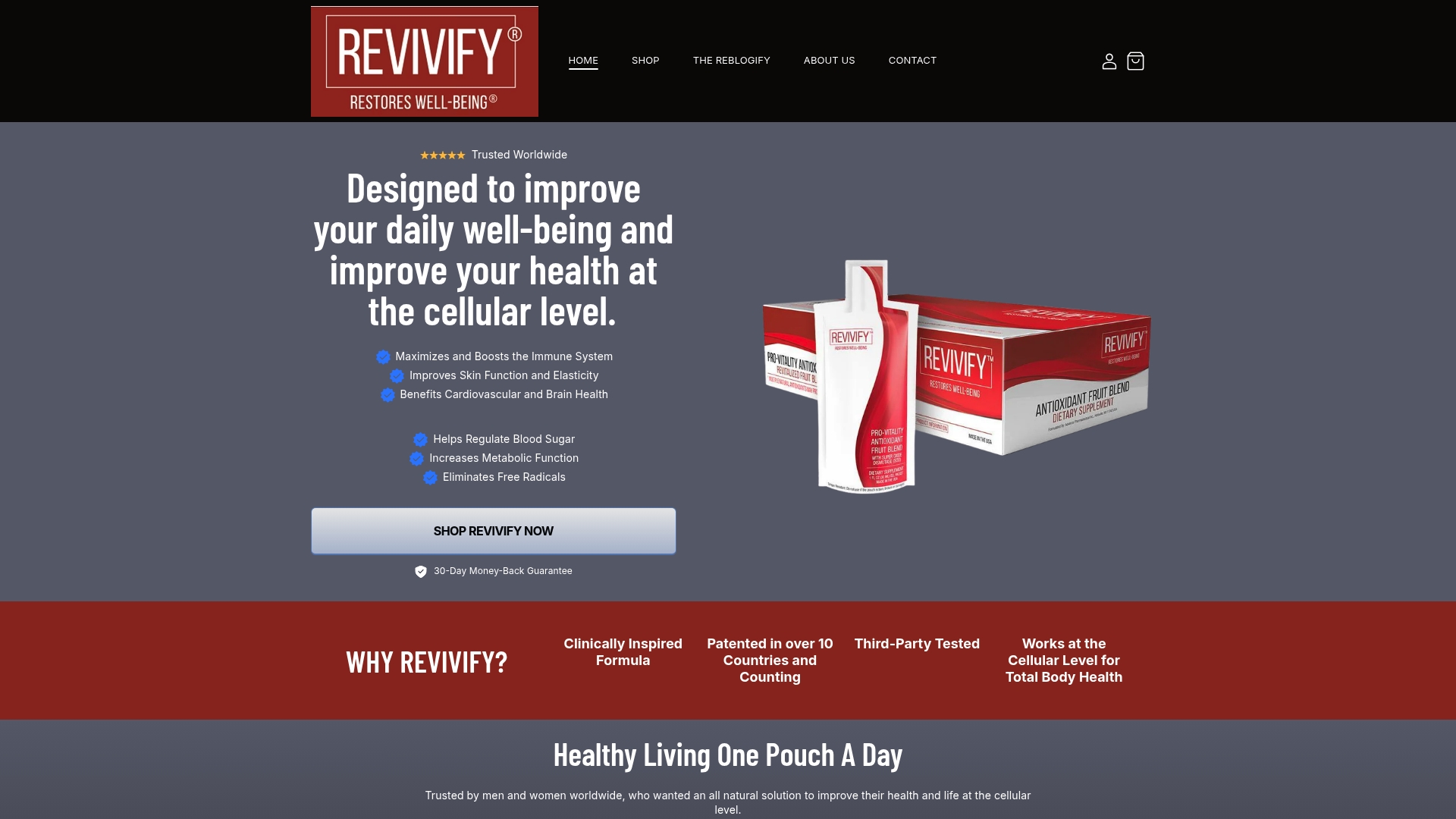
Revivify is plant-based, third-party tested, and available with a risk-free guarantee so you can evaluate it against your own health goals without commitment. The formula is designed around the network model the science supports: not one compound doing everything, but multiple ingredients working together at the cellular level. For adults managing oxidative stress and immune function — whether from aging, metabolic stress, or chronic exposure — that multi-pathway coverage is what makes the difference between a supplement that looks good on a label and one that actually supports your cells.
One-time purchase and subscription options are both available. See Revivify’s full formula and ordering options at tryrevivify.com.
This article is general health information, not medical advice. Consult a qualified healthcare professional before starting any new supplement regimen, especially if you have a medical condition or take medications.
Sources and further reading
- Understanding mechanisms of antioxidant action in health and disease — Nature Reviews Molecular Cell Biology, 2023. The most current mechanistic review; covers redox network thinking, lifestyle effects, and translational challenges.
- Redox control and immune responses (PMC9508259) — Explains how ROS and antioxidant systems regulate NF-κB, HIF1α, and immune-cell differentiation.
- Physiological role of antioxidants in the immune system (PubMed) — Classic review covering phagocyte ROS production, friendly-fire risk, and vitamin roles in immune defense.
- Effects of dietary antioxidants on immune function of middle-aged adults (PubMed) — Epidemiological and clinical data on ascorbic acid, tocopherol, carotenoids, and selenium across age groups.
- The Interplay between Antioxidants and the Immune System (MDPI Nutrients) — Covers clinical trial outcomes, bioavailability limitations, and the case for delivery-aware formulations.
- Understanding antioxidants — Harvard Health — Accessible overview from Harvard Health for readers who want a foundational reference.
- Antioxidant enzyme immune support — Tryrevivify — Revivify’s own research-backed explainer on enzyme-based antioxidant delivery and immune wellness.