

Key Nutrients Supporting Immune Cellular Defense
Nutrients supporting immune cellular defense are defined as the specific vitamins, minerals, and antioxidants that directly regulate immune cell maturation, barrier integrity, and inflammatory balance. The micronutrients most critical to this process include vitamins A, C, D, E, B6, B9, and B12, plus zinc, selenium, iron, and copper. These nutrients do not work in isolation. They act synergistically to regulate lymphocyte development, antiviral signaling, and redox balance across every stage of immune response. Subclinical insufficiency in even one of these nutrients quietly erodes immune resilience, and it affects far more people than most realize, even in high-income countries.

1. What are the top vitamins that support immune cellular defense?
Vitamins are the backbone of cellular immunity support. Each one fills a distinct role, and no single vitamin covers the full spectrum of immune function.
- Vitamin A maintains the epithelial surfaces that form your body’s first physical barrier against pathogens. It drives IgA antibody production in mucosal tissue and supports balanced T and B cell differentiation. Without adequate vitamin A, mucosal immunity weakens and infection risk climbs.
- Vitamin C is the primary water-soluble antioxidant in immune cells. It supports barrier integrity and neutralizes free radicals generated during the oxidative burst that kills pathogens. Reducing oxidative stress also preserves the function of other immune nutrients.
- Vitamin D does far more than support bone health. It binds vitamin D response elements (VDREs) on immune cell DNA, directly suppressing pro-inflammatory cytokines and modulating antiviral defense. Think of it as a volume knob for immune activation, turning the response up when needed and down before it causes tissue damage.
- Vitamin E limits oxidative damage to cell membranes and supports T cell signaling. It is especially relevant as you age, since T cell function naturally declines and oxidative stress increases.
- B vitamins (B6, B9, B12) fuel the metabolic processes that allow immune cells to proliferate rapidly during an infection. B9 (folate) also plays a key role in epigenetic regulation of cytokine genes, which shapes how aggressively your immune system responds.
Pro Tip: If you eat a varied whole-food diet but still feel run-down during seasonal illness, B12 and vitamin D are the two most common subclinical gaps in otherwise healthy adults. A simple blood panel can confirm whether you need targeted correction.
2. Which trace minerals are vital for cellular immunity?
Trace minerals are where immune defense gets specific. These nutrients operate at the molecular level, and their effects are highly dose-dependent.
- Zinc acts as a cofactor for over 300 enzymes, including those governing thymic maturation and T cell activation. It also carries direct antiviral effects by interfering with viral replication inside cells. Zinc deficiency shrinks the thymus, the organ that trains T cells, which is a serious structural consequence, not just a biochemical footnote.
- Selenium powers a family of proteins called selenoproteins, which protect immune cells from oxidative damage. It also supports antigen-presenting cell function, the process by which your immune system identifies and flags threats for destruction. Selenium’s role in inflammatory control makes it particularly relevant during chronic illness.
- Iron is required for the energy metabolism that fuels rapid immune cell proliferation. Without sufficient iron, immune cells cannot divide fast enough to mount an effective response. Iron also participates in redox regulation, though excess iron can promote harmful oxidation.
- Copper drives antimicrobial oxidase enzymes and supports innate immune signaling. It is less discussed than zinc, but copper deficiency impairs neutrophil function, the front-line cells that engulf and destroy bacteria.
The critical point with minerals is that more is not better. Selenium toxicity is well documented at excess doses, and the same principle applies to iron and copper. The therapeutic window is narrow, which is why targeted correction of confirmed deficiencies outperforms blanket high-dose supplementation every time.
Pro Tip: Mineral balance matters as much as individual mineral levels. Excess zinc can deplete copper, and excess iron can interfere with zinc absorption. Understanding mineral balancing before supplementing prevents one deficiency from creating another.
3. How do nutrients regulate immune cells at the metabolic and epigenetic level?
The science of immunonutrition has moved well beyond “eat your vegetables.” Nutrients now function as recognized metabolic sensors that directly control which immune genes get switched on or off.
The mTORC1 and GCN2 nutrient sensing networks are the clearest example. These pathways detect amino acid and energy availability inside immune cells and adjust cytokine production accordingly. When nutrient levels drop, GCN2 activates stress responses that shift immune cells toward conservation rather than attack. This is why nutrient sensing networks are now considered central to understanding why malnourished individuals mount weaker immune responses.
| Nutrient | Mechanism | Immune Effect |
|---|---|---|
| Vitamin D | Binds VDREs, represses IL-22 transcription | Reduces immune-mediated inflammation |
| Folate (B9) | One-carbon metabolism, cytokine gene methylation | Epigenetic tuning of inflammatory response |
| Selenium | SELENOK protein, calcium homeostasis | Supports T cell activation signaling |
| Zinc | Metallothionein pathways, inflammasome modulation | Controls inflammatory cascade intensity |
Vitamin D’s suppression of IL-22 via repressive VDREs is a particularly striking finding. It shows that vitamin D does not simply “boost” immunity. It calibrates it, preventing the kind of runaway inflammation that causes more tissue damage than the original infection.
Folate-dependent one-carbon metabolism controls the methylation of cytokine gene promoters. This means your folate status literally determines how your DNA is read during an immune response. That is a level of influence most people do not associate with a B vitamin.
4. What does the evidence say about supplementation for immune support?
The research on supplementation is more nuanced than most marketing suggests. The headline finding is clear: routine high-dose supplements show limited benefit in healthy, well-nourished individuals. The immune system does not respond to excess nutrients by becoming stronger. It responds by maintaining homeostasis and excreting the surplus.
Where supplementation does show meaningful benefit is in correcting confirmed deficiencies, particularly in high-risk groups. The evidence supports:
- Zinc supplementation improving T-lymphocyte maturation and reducing infection duration in zinc-deficient individuals
- Selenium supplementation restoring antigen-presenting cell function and reducing inflammatory markers in people with low baseline selenium
- Vitamin C reducing infection severity and supporting epithelial recovery in people under physical stress or with poor dietary intake
- Multivitamin-mineral complexes containing vitamin C, zinc, selenium, and B vitamins showing measurable improvements in NK cell activity and antibody responses
Correcting nutritional insufficiencies improves NK cell activity, antibody responses, and reduces infection incidence in clinical studies. The key word is “correcting.” The benefit comes from restoring function, not from pushing levels above normal.
Chronic inflammation and oxidative stress accelerate this problem. They increase nutrient consumption at the cellular level, depleting stores faster than diet alone can replenish them. This is why people dealing with ongoing stress, illness, or poor sleep often develop subclinical insufficiencies even when their diet looks adequate on paper. A targeted supplement approach built around confirmed gaps is the most evidence-based path forward.
Key Takeaways
The most effective strategy for immune cellular defense combines targeted correction of micronutrient deficiencies with consistent dietary intake of vitamins A, C, D, E, B vitamins, zinc, selenium, iron, and copper.
| Point | Details |
|---|---|
| Synergy over single nutrients | Vitamins and minerals work together; correcting one gap without addressing others limits results. |
| Narrow therapeutic window | Excess selenium, iron, and copper cause harm; supplement only to correct confirmed deficiencies. |
| Epigenetic impact is real | Folate and vitamin D directly control cytokine gene expression, not just immune cell counts. |
| Chronic stress depletes faster | Ongoing inflammation increases nutrient demand, creating subclinical gaps even in healthy diets. |
| Balance beats boosting | Immune health requires modulation, not amplification; the goal is calibrated response, not maximum activation. |
What I’ve learned about immune nutrition after years of watching people supplement wrong
Most people come to immune nutrition backwards. They feel sick, they buy a high-dose zinc or vitamin C product, and they expect a fast result. When it does not come, they either double the dose or give up entirely. Neither response addresses the actual problem.
The real issue is almost always subclinical insufficiency that built up slowly over months or years. Chronic stress, poor sleep, and processed food diets quietly drain micronutrient stores. By the time someone notices they are getting sick more often, the deficit is already significant. Reactive supplementation at that point is like patching a tire after the blowout.
What actually works is treating immune nutrition as a life-course practice. You monitor your status, you correct gaps early, and you maintain consistent dietary intake of the nutrients your immune cells need to function. The concept of “boosting” immunity is genuinely misleading. A properly functioning immune system is a balanced one, not a maximally activated one. Overactivation causes autoimmune damage. The goal is calibration.
The other thing I have seen consistently is that people underestimate how much oxidative stress matters. Reducing oxidative load is not separate from immune support. It is central to it. When you reduce oxidative stress, you preserve the antioxidant nutrients your immune cells depend on. You stop the drain before it becomes a deficit. That shift in thinking, from reactive to proactive, is where lasting immune resilience actually comes from.
— Larry
Tryrevivify and the science of cellular-level immune support
Filling micronutrient gaps through diet alone is difficult, especially when chronic stress and inflammation are actively increasing your body’s nutrient demand. Tryrevivify’s REVIVIFY® 30-Day Supply is built around this reality.
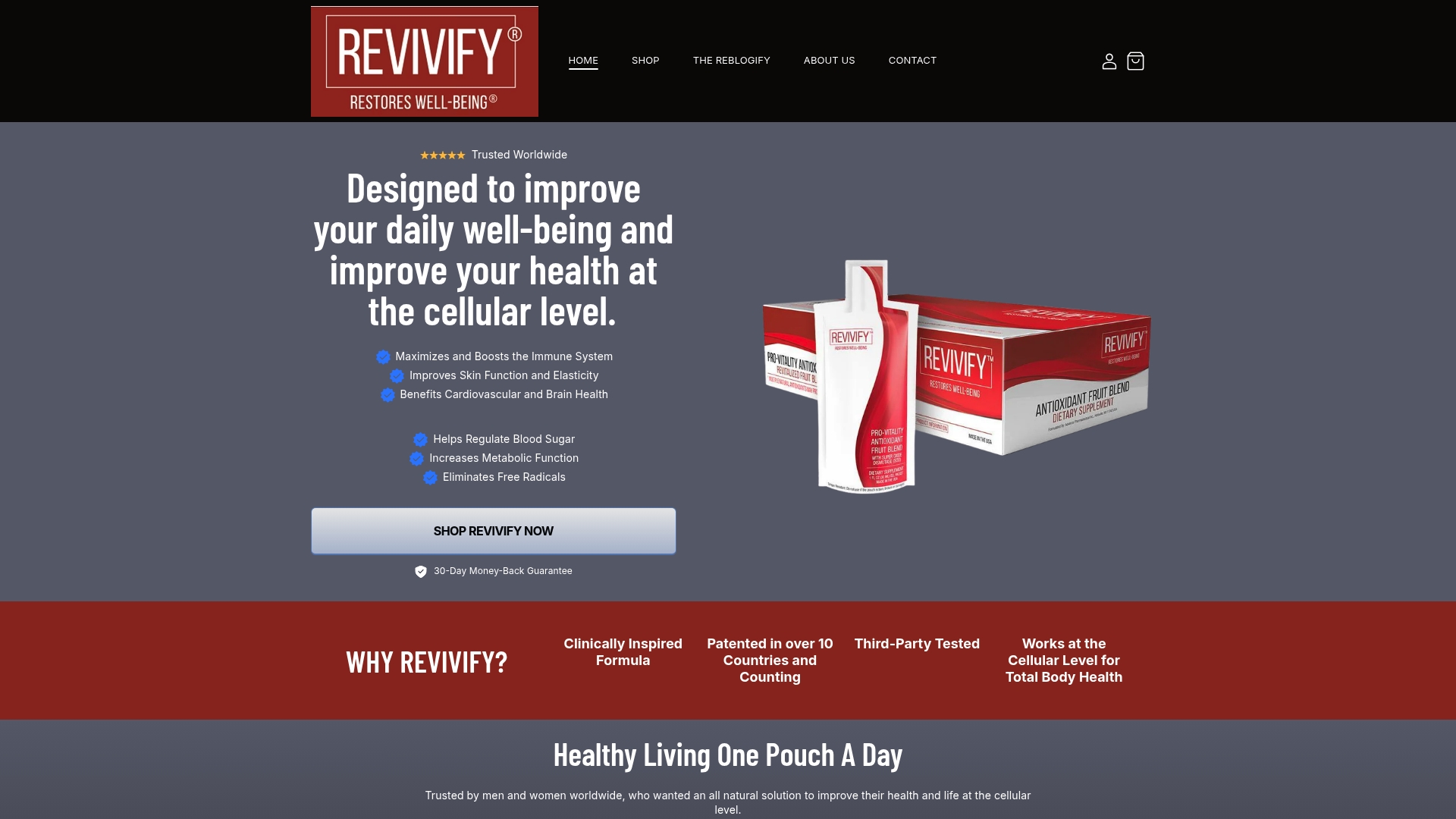
REVIVIFY® combines superoxide dismutase (SOD) with prebiotic fiber in a patented formula designed to fight free radicals and reduce oxidation at the cellular level. SOD is the body’s primary antioxidant enzyme, the first line of defense against the oxidative damage that depletes immune nutrients and impairs cellular defense. By supporting your body’s antioxidant capacity directly, REVIVIFY® helps preserve the micronutrient environment your immune cells need to function. Pair it with a nutrient-rich diet and a daily immune strategy for the most complete approach to cellular immune health.
FAQ
What nutrients are most critical for immune cellular defense?
Vitamins A, C, D, E, B6, B9, and B12, plus zinc, selenium, iron, and copper are the core micronutrients for immune cellular defense. They support lymphocyte maturation, barrier integrity, antioxidant defense, and cytokine regulation.
Does taking high-dose vitamin C or zinc prevent illness?
High-dose supplementation shows limited benefit in healthy, well-nourished individuals. The strongest evidence supports supplementation only when correcting a confirmed deficiency or supporting high-risk groups.
How does vitamin D affect immune function beyond bone health?
Vitamin D binds vitamin D response elements on immune cell DNA, directly suppressing pro-inflammatory cytokines like IL-22. This makes it a key regulator of immune-mediated inflammation, not just a bone mineral.
Can chronic stress deplete immune nutrients?
Chronic inflammation and oxidative stress increase the metabolic demand for vitamins and minerals, causing subclinical depletion that impairs immune resilience even when dietary intake appears adequate.
What is the risk of over-supplementing minerals like selenium?
Selenium has a narrow therapeutic window, and toxicity at excess doses is well documented. The same caution applies to iron and copper. Supplementing without confirmed deficiency can cause harm rather than benefit.