

How to Improve Heart Health at the Cellular Level
Cellular heart health is defined by three interconnected processes: mitochondrial energy production, proteostasis (the system that clears damaged proteins), and redox signaling that controls oxidative stress inside cardiomyocytes. When these processes work in sync, your heart contracts efficiently, recovers from stress, and ages more slowly. When they break down, the result is not just fatigue or shortness of breath. It is measurable structural damage at the microscopic level. This article explains how to improve heart health at the cellular level using the latest 2026 research on mitochondrial function, and translates that science into specific diet, lifestyle, and supplement strategies you can act on today.
How does mitochondrial function influence heart health at the cellular level?
Mitochondria are the power plants of cardiomyocytes, the specialized muscle cells that make your heart beat. They generate ATP, the energy currency that fuels every contraction. The heart demands more ATP per gram of tissue than any other organ in the body, which means mitochondrial efficiency is not a luxury. It is a survival requirement.
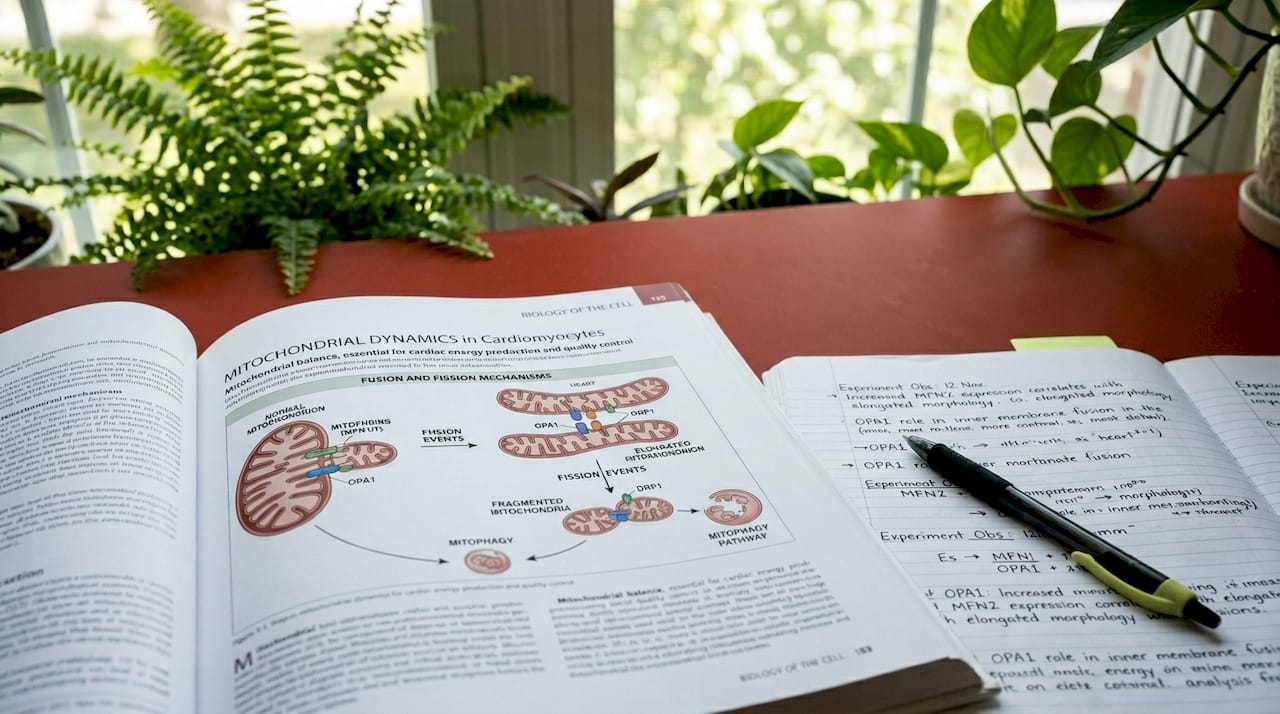
Cardiomyocyte performance is limited by three cellular bottlenecks: ATP production capacity, mitophagy (the process of removing damaged mitochondria), and proteasomal clearance of misfolded proteins. Think of mitophagy as the quality control inspector on a factory floor. Without it, defective machinery accumulates, slows production, and eventually causes a breakdown. The same logic applies to your heart cells.
Mitochondria also undergo constant structural remodeling through fusion and fission. Fusion merges mitochondria to share resources under stress. Fission splits them to isolate damaged segments for removal. Exercise increases mitochondrial oxidative phosphorylation and modulates these fusion and fission proteins directly, which is why physical training produces durable improvements in cardiac cell efficiency that go far beyond calorie burning.
One of the most compelling recent findings involves mitochondria-derived vesicles from brown adipose tissue. These vesicles transfer to cardiac macrophages after a myocardial infarction, reducing inflammation and rewiring oxidative phosphorylation to improve cardiac remodeling. This discovery illustrates that the heart does not operate in isolation. It communicates with other organs at the cellular level through biological signals we are only beginning to map.
Pro Tip: Interval training, alternating between moderate and vigorous intensity, produces stronger mitochondrial fission and fusion responses than steady-state cardio alone. If you have been doing the same 30-minute walk every day, adding two short high-intensity intervals per session meaningfully changes the cellular signal.
| Mitochondrial factor | What it does for your heart |
|---|---|
| ATP synthase activity | Powers each heartbeat; reduced activity correlates with heart failure progression |
| Mitophagy rate | Clears damaged mitochondria; low rates allow cellular debris to accumulate |
| Fusion and fission balance | Maintains mitochondrial quality; disrupted balance accelerates cardiomyocyte aging |
| NRF2 antioxidant signaling | Reduces oxidative damage; activated by exercise and certain dietary compounds |
| Metabolic flexibility | Allows the heart to switch between glucose and fatty acid fuel; impaired in heart failure |
What lifestyle changes best support cellular heart wellness?
The American Heart Association’s Life’s Essential 8 framework identifies eight measurable targets that collectively reduce the cellular stress driving cardiovascular disease. These include blood pressure below 120/80, healthy cholesterol and glucose levels, weight management, diet quality, physical activity, sleep, and not smoking. Each target maps directly onto a cellular mechanism. High blood pressure, for example, forces cardiomyocytes to work harder, accelerating mitochondrial wear and protein misfolding.
The AHA recommends 150 minutes per week of moderate-intensity aerobic activity plus two days of muscle-strengthening exercise. That specific combination matters because aerobic training drives mitochondrial biogenesis through the PGC-1α gene program, while resistance training improves insulin sensitivity and reduces the metabolic stress that damages cardiac cells over time.
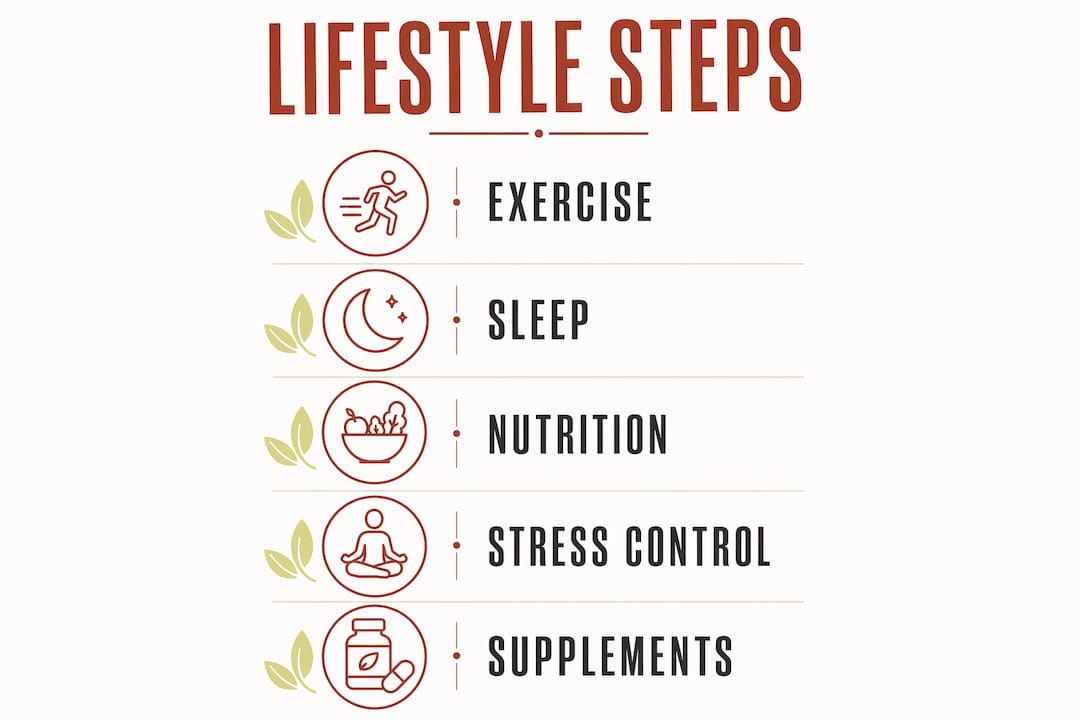
Sleep is the most underrated cellular recovery tool in cardiovascular medicine. During deep sleep, the heart rate drops, blood pressure falls, and cardiomyocytes complete repair cycles that cannot happen during waking hours. Disrupted circadian rhythm, even from irregular sleep schedules rather than diagnosable sleep disorders, impairs the timing of these repair cycles and raises inflammatory markers that damage cardiac cell membranes.
Stress management deserves equal attention. Chronic psychological stress elevates cortisol, which suppresses mitophagy and accelerates protein misfolding in heart cells. Practices like diaphragmatic breathing, progressive muscle relaxation, and structured mindfulness programs have measurable effects on cortisol levels and, by extension, on the cellular environment inside your heart.
Here is a practical checklist for cellular-level lifestyle changes:
- Keep blood pressure below 120/80 through sodium restriction (no more than 2,300 mg daily, with 1,500 mg as the optimal target per AHA guidance)
- Complete 150 minutes of moderate aerobic activity weekly, distributed across at least four sessions
- Add two resistance training sessions per week targeting major muscle groups
- Prioritize 7 to 9 hours of sleep on a consistent schedule to support circadian-regulated cardiac repair
- Practice a daily stress-reduction technique for at least 10 minutes
Pro Tip: The oxidative stress symptoms that show up as fatigue, brain fog, or joint discomfort are often the same cellular signals stressing your heart. Treating them as a system, not separately, produces better outcomes.
Which dietary strategies enhance cardiovascular health through cellular mechanisms?
Diet shapes the cellular environment of your heart more directly than most people realize. The Mediterranean dietary pattern, rich in vegetables, fruits, whole grains, legumes, olive oil, and fatty fish, consistently reduces oxidative stress markers and inflammatory cytokines that damage cardiac cell membranes. It is not just about macronutrients. It is about the specific compounds that interact with mitochondrial enzyme systems and antioxidant signaling pathways.
Omega-3 fatty acids and dietary antioxidants reduce oxidative stress and protect cardiac cell membrane integrity, which is foundational for metabolic flexibility. Metabolic flexibility, the heart’s ability to switch between glucose and fatty acid oxidation depending on demand, is severely impaired in heart failure. Diets high in refined carbohydrates and saturated fats lock the heart into a rigid metabolic state, reducing its resilience under stress.
The table below compares dietary approaches by their cellular mechanisms:
| Dietary pattern | Primary cellular mechanism | Key nutrients |
|---|---|---|
| Mediterranean | Reduces oxidative stress and inflammation | Omega-3s, polyphenols, monounsaturated fats |
| High-sodium Western diet | Increases cellular stress and blood pressure | Excess sodium, saturated fat, added sugar |
| Whole-food plant-based | Supports antioxidant enzyme activity | Flavonoids, fiber, folate, magnesium |
| Ultra-processed food diet | Disrupts mitochondrial membrane potential | Trans fats, refined carbohydrates, additives |
Limiting sodium to under 2,300 mg daily reduces the pressure load on cardiomyocytes, directly lowering the ATP demand per heartbeat. Reducing added sugar cuts the production of advanced glycation end products, which cross-link cardiac proteins and impair their function. These are not abstract benefits. They translate into measurable reductions in left ventricular wall stress within weeks of dietary change.
The gut-heart connection adds another layer. Prebiotic fiber feeds beneficial gut bacteria that produce short-chain fatty acids, which reduce systemic inflammation and support the cellular environment your heart depends on. Diet is not just fuel. It is a continuous input into the signaling systems that govern cardiac cell health.
What role do supplements play in boosting heart function at the cellular level?
Supplements targeting mitochondrial and cardiac cellular health fall into two categories: those with strong human clinical evidence and those with compelling mechanistic data from animal or cellular studies that have not yet fully translated to clinical outcomes. Understanding the difference protects you from overpaying for promise and underpaying for proof.
Melatonin is the most clinically validated cardiac supplement in this category. A meta-analysis of 14 randomized controlled trials showed melatonin supplementation improved left ventricular ejection fraction by approximately 4 percentage points on average, with the strongest effects seen in patients recovering from coronary artery bypass surgery. That is a clinically meaningful improvement in the heart’s pumping efficiency. The mechanism involves melatonin’s role as a mitochondrial antioxidant, reducing the oxidative damage that impairs ATP synthase function.
CoQ10 has a longer history in cardiac supplementation. It functions as an electron carrier in the mitochondrial respiratory chain, and deficiency is documented in patients with heart failure. The clinical evidence for CoQ10 is context-dependent, with the most consistent benefits appearing in patients with established deficiency rather than in healthy individuals seeking prevention.
Emerging compounds like catestatin, a peptide derived from chromogranin A, show significant promise. Catestatin restores cardiac metabolic flexibility and enhances mitochondrial ATP production by improving membrane potential and ATP synthase interaction in hypertension-related heart failure models. The research is currently at the animal and cellular stage, which means the mechanism is credible but human dosing and outcomes remain to be established.
Key principles for supplement use in cellular heart health:
- Prioritize supplements with human RCT evidence over those with animal-only data
- Track relevant biomarkers: left ventricular ejection fraction, hs-CRP, and fasting glucose reflect cellular cardiac stress
- Combine supplements with lifestyle changes, since supplements amplify the cellular environment created by exercise and diet rather than replace it
- Consult a cardiologist before adding any supplement if you have existing heart disease or take prescription medications
- Superoxide dismutase (SOD), the body’s primary intracellular antioxidant enzyme, plays a foundational role in neutralizing the free radicals that damage mitochondrial membranes. Learn more about SOD’s protective role in cardiac cells.
Key takeaways
Cellular heart health requires simultaneous optimization of mitochondrial energy production, proteostasis, and oxidative stress control through exercise, diet, and targeted supplementation.
| Point | Details |
|---|---|
| Mitochondria drive cardiac performance | ATP production, mitophagy, and fusion/fission balance determine cardiomyocyte efficiency and longevity. |
| Exercise is the strongest cellular signal | 150 minutes per week of aerobic activity activates PGC-1α and NRF2 pathways, with antioxidant benefits lasting up to 8 weeks post-training. |
| Diet shapes the cellular environment | Mediterranean-style eating reduces oxidative stress markers and supports metabolic flexibility in cardiac cells. |
| Supplements require clinical context | Melatonin has the strongest RCT evidence for cardiac function; CoQ10 and catestatin show promise with important caveats. |
| Multiple bottlenecks must be addressed | Targeting only one pathway (e.g., antioxidants alone) leaves energy production and proteostasis gaps unresolved. |
Why I think most people are addressing heart health at the wrong level
Most heart health advice stops at blood pressure numbers and cholesterol panels. Those metrics matter, but they are downstream outputs of what is happening inside your cardiomyocytes. By the time a number moves on a lab report, the cellular disruption has been building for years.
What I have found, working through the science behind cellular cardiac health, is that the biggest leverage point is not a single supplement or a perfect diet. It is the frequency and consistency of the cellular signals you send through exercise. Exercise functions as a cellular signaling intervention that updates multiple gene programs simultaneously. The antioxidant capacity gains from training persist up to 8 weeks after you stop. That means even imperfect, interrupted training builds a durable cellular foundation that a bottle of CoQ10 simply cannot replicate.
The second thing I would push back on is the tendency to treat supplements as the primary strategy and lifestyle as the supporting cast. The evidence runs in the opposite direction. Melatonin’s 4-point ejection fraction improvement is real and worth noting. But it was measured in post-surgical patients, not in people who exercise regularly and eat well. Supplements work best as amplifiers of a cellular environment that lifestyle has already improved.
My honest advice: start with the Life’s Essential 8 targets, build the exercise habit first, then layer in dietary changes, and only then evaluate whether a targeted supplement fills a specific gap you can measure. Gradual, systematic, and monitored beats aggressive and scattered every time.
— Larry
Support your cellular heart health with Tryrevivify
At Tryrevivify, we built our formula around one core principle: cellular health requires fighting oxidative stress at the source, not just managing its downstream effects.
Tryrevivify combines superoxide dismutase with prebiotic fiber in a patented formula designed to reduce free radical activity and support your body’s antioxidant systems at the cellular level. SOD is the first line of defense against the superoxide radicals that damage mitochondrial membranes in cardiomyocytes. Pairing it with prebiotic fiber supports the gut-heart axis that dietary research increasingly identifies as central to cardiovascular wellness. If you are building a cellular heart health strategy around exercise and diet, consider adding Tryrevivify’s 30-day supply as a targeted complement to the foundation you are already building.
FAQ
What does “cellular heart health” actually mean?
Cellular heart health refers to the functional state of cardiomyocytes, specifically their ability to produce ATP efficiently, clear damaged proteins, and manage oxidative stress. When these three systems operate well, the heart contracts reliably and resists age-related decline.
How quickly can exercise improve heart cells?
Exercise-induced antioxidant benefits appear within weeks of consistent training and persist up to 8 weeks after cessation. Structural mitochondrial adaptations, including increased biogenesis and improved fusion/fission balance, develop over 4 to 12 weeks of regular aerobic activity.
Is CoQ10 or melatonin better for cardiac cellular support?
Melatonin has stronger RCT evidence for improving left ventricular ejection fraction, particularly in post-surgical cardiac patients. CoQ10 shows the most consistent benefit in individuals with documented deficiency. Neither replaces exercise and diet as the primary cellular intervention.
What foods most directly support heart cell function?
Fatty fish (salmon, mackerel, sardines), extra-virgin olive oil, leafy greens, berries, and whole grains provide omega-3 fatty acids, polyphenols, and fiber that reduce oxidative stress and support mitochondrial membrane integrity in cardiac cells.
Can oxidative stress damage heart cells before symptoms appear?
Yes. Oxidative stress and inflammation accumulate at the cellular level long before clinical symptoms develop. Proactive management through diet, exercise, and targeted antioxidant support is more effective than waiting for measurable cardiac dysfunction to appear.