

Strengthen Your Weak Immune System Daily: 2026 Guide
A weak immune system is defined by reduced immune cell activity, slower antibody production, and a higher susceptibility to infections. You can strengthen weak immune system daily through consistent, evidence-based habits: quality sleep, moderate exercise, targeted nutrition, and stress control. No single pill or superfood replaces this foundation. The CDC confirms that lifestyle habits form the core of immune resilience, and 2026 research reinforces that these pillars work at the cellular level, influencing natural killer cells, T-cells, and inflammatory markers in measurable ways.
What daily lifestyle habits most powerfully strengthen immunity?
Immune resilience is built through repeated daily inputs, not occasional efforts. Think of your immune system as a muscle. It responds to consistent, moderate stimulation. Neglect it or push it too hard, and it breaks down.
The most evidence-backed daily habits for immune support are:
- Sleep 7–9 hours nightly. Sleep deprivation impairs natural killer cell activity and reduces antibody responses within just 1–2 nights. Sleep is not passive recovery. It is when your immune system actively restores itself.
- Exercise moderately. Aim for roughly 150 minutes of aerobic activity per week. Walking, cycling, and swimming all qualify. Sessions under 60 minutes are the sweet spot for immune benefit.
- Eat a balanced diet. A Mediterranean-style diet rich in fruits, vegetables, legumes, and healthy fats provides the micronutrients your immune cells need to function. Processed foods and excess sugar suppress immune responses.
- Manage stress actively. Chronic psychological stress elevates cortisol, which suppresses immune responses and increases systemic inflammation. Practices like mindfulness, deep breathing, and regular social connection lower cortisol measurably.
- Avoid smoking and limit alcohol. Both directly damage immune cells and reduce the body’s ability to fight infection.
- Stay hydrated and practice hand hygiene. These basics prevent pathogen entry and keep mucosal immune barriers functioning.
Immune health depends on balance and regular healthy stimulation, not aggressive intervention. Overdoing any single habit, especially exercise, can backfire.
Pro Tip: Set a consistent bedtime and wake time, even on weekends. Irregular sleep schedules disrupt circadian rhythms, which directly impairs immune cell production cycles.
Which foods and nutrients daily improve immune function the most?
Food is your immune system’s raw material. Without the right micronutrients, immune cells cannot replicate, communicate, or respond to threats effectively.
The nutrients with the strongest evidence for daily immune support are:
- Vitamin D: Vitamin D supplementation significantly improves immune cell activity in older adults, with a standardized mean difference of 0.40 (p < 0.01). That is a clinically meaningful effect. Get it from sunlight, fatty fish, fortified dairy, or a supplement if you are deficient.
- Vitamin C: Found in citrus fruits, bell peppers, and broccoli. Vitamin C supports the production and function of white blood cells.
- Zinc: Present in meat, shellfish, seeds, and legumes. Zinc deficiency directly impairs T-cell development and antibody production.
- Antioxidants: Berries, leafy greens, and nuts reduce [oxidative stress](https://tryrevivify.com/blogs/the-reblogify/reduce oxidative stress-for-stronger-immune-function), which otherwise damages immune cells and accelerates inflammation.
- Probiotic-rich foods: Yogurt, kefir, kimchi, and sauerkraut feed the gut microbiome. A healthy gut is directly linked to stronger immune signaling. The gut-immune connection is one of the most active areas of immune research in 2026.
Meal timing also matters more than most people realize. T-cell activation is enhanced within hours after eating, particularly after fat-rich meals. T-cells tested after lunch showed superior functional ability compared to a fasting state. That means what you eat at lunch directly affects your immune readiness that same afternoon.
| Nutrient | Best food sources | Primary immune role |
|---|---|---|
| Vitamin D | Fatty fish, fortified milk, sunlight | Increases immune cell activity |
| Vitamin C | Citrus, bell peppers, broccoli | Supports white blood cell production |
| Zinc | Meat, shellfish, pumpkin seeds | Enables T-cell development |
| Antioxidants | Berries, leafy greens, nuts | Reduces oxidative damage to immune cells |
| Probiotics | Yogurt, kefir, kimchi | Strengthens gut-immune signaling |
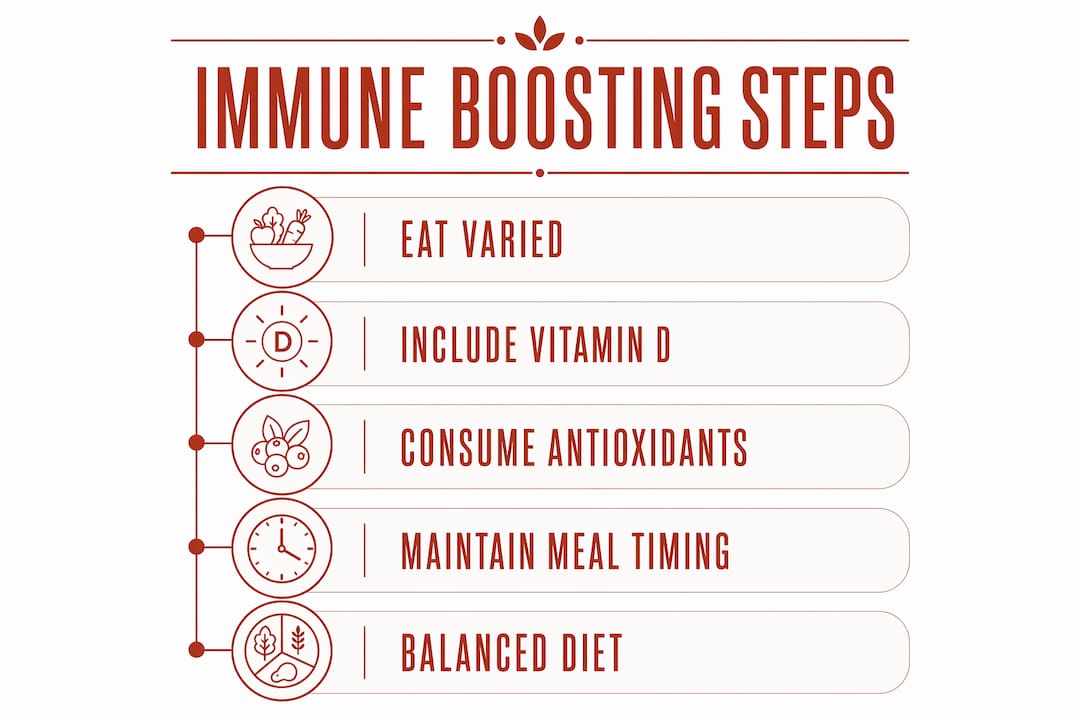
Pro Tip: Do not chase superfoods. No single food dramatically boosts immunity on its own. A varied, whole-food diet delivers far more immune benefit than any single “superfood” eaten in isolation.
How does sleep quality affect your immune system daily?
Sleep is the highest-impact immune support strategy available to you, and it costs nothing. The science is direct: T-cell counts and natural killer cell activity decline measurably within 1–2 nights of insufficient sleep. These are the cells that identify and destroy infected or cancerous cells. When they drop, your defenses drop with them.
Here is how to protect your sleep for immune benefit:
- Set a fixed sleep and wake schedule. Your immune system follows a circadian rhythm. Irregular timing disrupts the release of cytokines, the proteins that coordinate immune responses.
- Keep your bedroom cool and dark. Light exposure at night suppresses melatonin, which also plays a role in immune regulation.
- Avoid screens for 60 minutes before bed. Blue light delays sleep onset and reduces sleep depth, both of which affect immune restoration.
- Limit caffeine after 2 p.m. Caffeine has a half-life of roughly 5–7 hours. Afternoon coffee still affects sleep quality at midnight.
“Sleep is the period when the immune system consolidates its memory of past threats and prepares its defenses for new ones. Cutting it short is like sending soldiers into battle without briefing them.”
Quality matters as much as quantity. Six hours of deep, uninterrupted sleep provides more immune benefit than eight hours of fragmented, restless sleep. Prioritize both.
How to effectively incorporate moderate exercise to boost immunity every day?
Regular moderate exercise is one of the most reliable ways to enhance immunity daily. It improves immune surveillance, meaning your immune cells circulate more efficiently and detect threats faster. Moderate exercise also lowers upper respiratory infection rates compared to sedentary individuals. That is a direct, measurable outcome.
Follow these steps to use exercise as a daily immune support tool:
- Target 150 minutes of moderate aerobic activity per week. Break it into 30-minute sessions, five days a week. Brisk walking, cycling, swimming, and light jogging all count.
- Keep intensity moderate. You should be able to hold a conversation but feel slightly breathless. This zone maximizes immune cell circulation without triggering stress hormones.
- Avoid back-to-back high-intensity sessions. Excessive high-intensity training causes temporary immune suppression. Elite athletes who overtrain get sick more often, not less.
- Add strength training twice weekly. Resistance exercise reduces systemic inflammation and supports metabolic health, both of which feed into immune function.
- Move throughout the day. Sitting for long stretches slows lymphatic circulation. Short walks every 60–90 minutes keep immune cells moving.
Pro Tip: If you feel a cold coming on, light walking is fine. Intense training when you are already symptomatic prolongs illness. Rest is the right call once symptoms appear.
Key Takeaways
Consistent daily habits, specifically sleep, nutrition, moderate exercise, and stress control, are the foundation of a strong immune system, with supplements playing a targeted but secondary role.
| Point | Details |
|---|---|
| Sleep is the top priority | Even 1–2 nights of poor sleep measurably reduces T-cell and natural killer cell activity. |
| Food fuels immune cells | Vitamin D, zinc, vitamin C, and probiotics each support distinct immune functions daily. |
| Moderate exercise wins | 150 minutes of aerobic activity weekly improves immune surveillance without suppressing defenses. |
| Stress management is non-negotiable | Chronic cortisol elevation directly suppresses immune responses and increases inflammation. |
| Supplements support, not replace | No single supplement dramatically boosts immunity alone; lifestyle habits remain the foundation. |
Why I think most people approach immune health completely backward
Most people reach for a supplement the moment they feel run down. I understand the instinct. It feels like doing something. But after years of studying how immune function actually works, I am convinced that the supplement-first approach is backwards.
The real levers are unglamorous: sleep, food, movement, and stress. Consistent daily habits over weeks and months produce meaningful immunity strengthening. A zinc lozenge taken once does not. The research is clear on this, and I think the wellness industry does people a disservice by burying that fact under product marketing.
What I have also noticed is that stress management is the most underrated pillar. People will track their sleep and count their vegetables, but they will not address the chronic low-grade stress that is quietly suppressing their immune system every single day. Chronic stress and inflammation are deeply connected, and ignoring that connection limits every other effort you make.
My honest advice: build the habits first. Sleep well, eat real food, move your body, and find ways to lower your stress load. Once those are in place, targeted supplementation makes sense as a complement. Not before.
— Larry
How Tryrevivify fits into your daily immune support plan
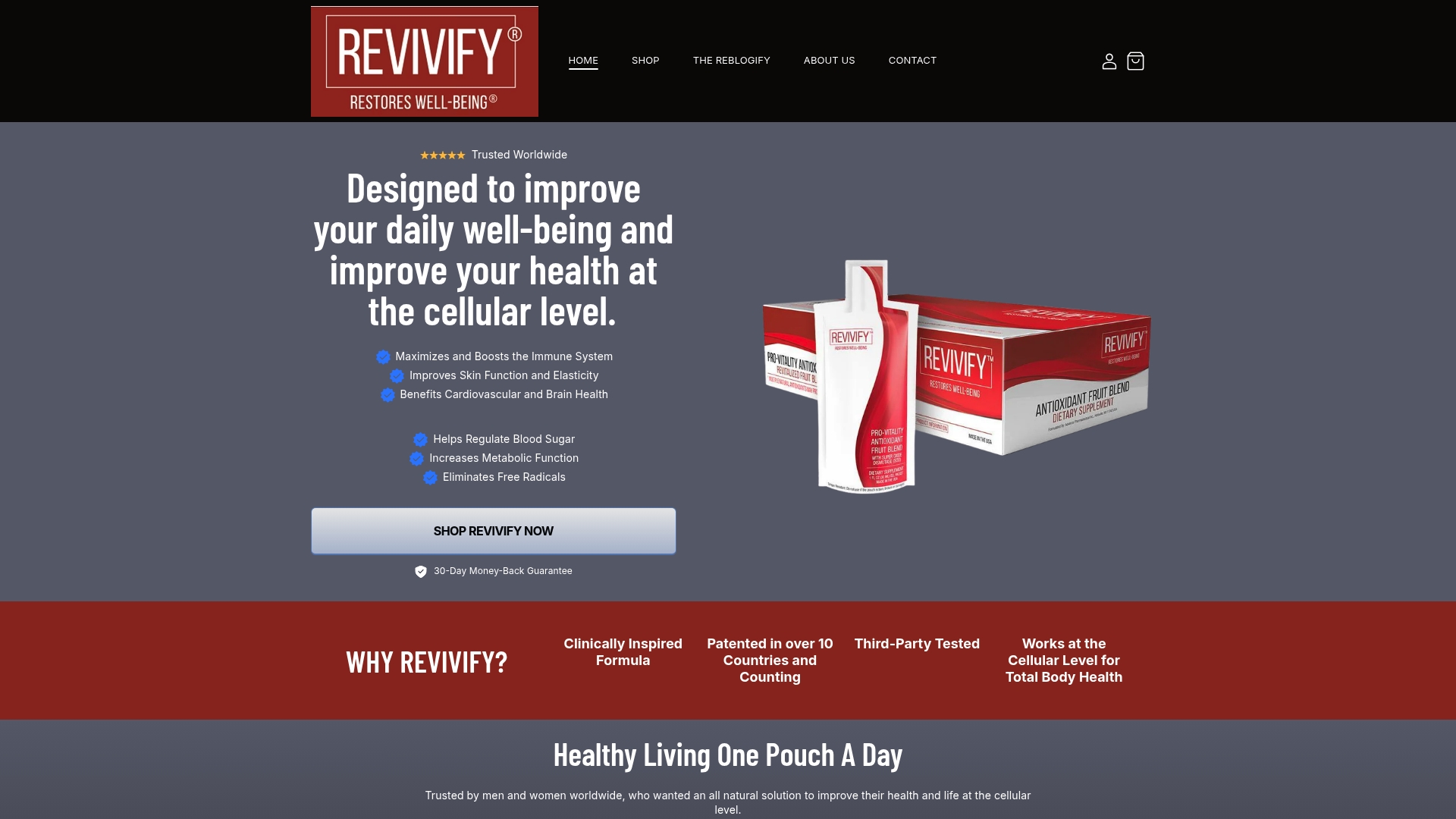
Once your lifestyle habits are solid, targeted supplementation can add a meaningful layer of cellular protection. Tryrevivify is built around a patented formula that combines superoxide dismutase (SOD) and prebiotic fiber. SOD acts like the first responder in your body’s antioxidant defense, neutralizing free radicals before they damage immune cells. The prebiotic fiber feeds the gut microbiome, reinforcing the gut-immune axis that whole-food diets support. If you are looking for a daily supplement that works at the cellular level alongside the habits covered here, the Tryrevivify 30-day supply is a logical next step. For a broader look at how supplementation fits into immune support, the immune deficiency supplement guide covers the current evidence in detail.
FAQ
What is the fastest way to strengthen a weak immune system?
Sleep improvement produces the fastest measurable immune benefit. T-cell and natural killer cell activity decline within 1–2 nights of poor sleep, so restoring consistent 7–9 hour sleep cycles is the highest-impact first step.
Can you boost immune function through diet alone?
Diet is a major driver of immune health, but it works best alongside sleep, exercise, and stress management. Nutrients like vitamin D, zinc, and vitamin C each support specific immune functions, but no single food or diet pattern compensates for chronic sleep deprivation or unmanaged stress.
How does stress affect the immune system daily?
Chronic stress elevates cortisol, which suppresses immune cell activity and increases systemic inflammation. Even moderate, ongoing psychological stress impairs the body’s ability to fight infections over time.
Is moderate exercise better than intense exercise for immunity?
Moderate aerobic exercise, around 150 minutes per week, improves immune surveillance and lowers infection rates. Excessive high-intensity training causes temporary immune suppression, making moderate activity the more effective choice for daily immune support.
Do supplements replace healthy lifestyle habits for immune health?
No supplement replaces foundational lifestyle habits. Supplements like vitamin D and SOD play a targeted, supportive role, particularly in people with deficiencies, but sleep, nutrition, exercise, and stress control remain the primary drivers of immune resilience.