

Oxidative Stress Inflammation Symptoms: Top 10 Signs
Fatigue you can’t sleep off. Joints that ache for no clear reason. A brain that feels like it’s running through fog. These are classic oxidative stress inflammation symptoms, and millions of people write them off as normal aging or stress. They’re not. Chronic inflammation symptoms are frequently vague and persistent, making them easy to dismiss until they compound into something harder to ignore. Understanding what your body is signaling is the first step toward doing something about it.
Table of Contents
- Key takeaways
- 1. Persistent fatigue that sleep doesn’t fix
- 2. Brain fog and cognitive sluggishness
- 3. Morning joint stiffness and aching
- 4. Digestive irregularities and gut sensitivity
- 5. Mood changes, anxiety, and low resilience
- 6. Skin problems and premature aging
- 7. Frequent headaches and migraines
- 8. Exercise intolerance and slow recovery
- 9. Poor sleep quality and disrupted circadian rhythm
- 10. Increased susceptibility to illness
- How oxidative stress drives inflammation at the cellular level
- Lifestyle triggers that make symptoms worse
- Management strategies: what works and what has limits
- How to decide your personal management approach
- My honest take on managing oxidative stress symptoms
- Support your cells with Tryrevivify
- FAQ
Key takeaways
| Point | Details |
|---|---|
| Symptoms are often misread | Fatigue, brain fog, and joint stiffness are common oxidative stress effects mistaken for normal aging. |
| A self-reinforcing cycle drives symptoms | Oxidative stress triggers inflammation, which generates more free radicals, worsening symptoms over time. |
| Lifestyle is the primary lever | Poor sleep, processed food, and inactivity are the biggest drivers of chronic inflammation symptoms. |
| Supplements help but don’t replace habits | Antioxidant supplements modulate oxidative damage but cannot substitute for foundational lifestyle changes. |
| Tracking patterns matters | Persistent symptom patterns, not isolated episodes, are the reliable signal of underlying inflammation. |
1. Persistent fatigue that sleep doesn’t fix
This is the most reported oxidative stress inflammation symptom, and also the most misunderstood. When free radicals overwhelm your mitochondria, energy production collapses. Mitochondrial dysfunction under hypoxia can reduce cellular energy output by up to 18 times compared to normal aerobic function. That means your cells are running on fumes regardless of how many hours you sleep.
The fatigue here feels different from ordinary tiredness. It’s heavy, unrefreshing, and often worse after physical or mental exertion. If rest doesn’t restore you, that’s the pattern to pay attention to.
2. Brain fog and cognitive sluggishness
Oxidative damage doesn’t stay confined to your muscles and joints. The brain is one of the most metabolically active organs in your body, which makes it especially vulnerable to free radical damage. When inflammatory cytokines like IL-6 and TNF-α flood the system, they cross the blood-brain barrier and interfere with neurotransmitter signaling.

The result is difficulty concentrating, slow recall, word-finding problems, and a general sense of mental cloudiness. Many people describe it as thinking through cotton wool. This isn’t a personality trait or a productivity problem. It’s a biological response to systemic inflammation.
3. Morning joint stiffness and aching
Joints that take 20 to 30 minutes to loosen up in the morning are a classic oxidative damage indicator. Oxidative stress degrades cartilage and synovial tissue by attacking lipids and proteins in the joint environment. The inflammatory response that follows produces swelling, warmth, and stiffness that is most pronounced after periods of inactivity.
This is distinct from the acute joint pain you’d feel after an injury. It’s diffuse, bilateral, and tends to improve with gentle movement. If this pattern shows up consistently, it deserves attention beyond blaming it on “getting older.”
4. Digestive irregularities and gut sensitivity
The gut lining is only one cell thick in many places, making it highly susceptible to oxidative damage. Chronic inflammation driven by oxidative stress presents with digestive symptoms including bloating, irregular bowel movements, food sensitivities, and abdominal discomfort. These aren’t random. They reflect a compromised gut barrier and an inflamed mucosal environment.
What makes this tricky is that gut symptoms often get attributed to food choices alone. The underlying inflammatory state is the actual driver. Addressing oxidative stress at the cellular level tends to improve gut symptoms in ways that dietary tweaks alone cannot.
5. Mood changes, anxiety, and low resilience
Oxidative stress acts as a master switch that coordinates hormonal, immune, and metabolic inflammatory responses. When that switch is stuck in the “on” position, it affects the brain’s production of serotonin and dopamine. The outcome is increased anxiety, irritability, low mood, and a reduced ability to handle everyday stress.
This isn’t weakness. It’s biochemistry. Oxidative stress activates NF-κB, a protein complex that triggers inflammatory cytokine production and perpetuates symptom flare-ups, including emotional ones. Recognizing this connection removes a lot of unnecessary self-blame.
6. Skin problems and premature aging
Your skin is the most visible oxidative damage indicator. Free radicals attack collagen and elastin, the structural proteins that keep skin firm and elastic. The result is accelerated wrinkling, dullness, uneven tone, and increased sensitivity or breakouts. Inflammatory skin conditions like eczema and psoriasis also have strong oxidative stress components.
When people invest heavily in topical skin products but see limited results, it’s often because the source of the problem is internal. Skin health reflects cellular health, and no cream addresses what’s happening at the mitochondrial level.
7. Frequent headaches and migraines
Recurring headaches, particularly those that don’t respond well to standard pain relief, are a frequently overlooked inflammation sign and symptom. Oxidative stress causes neuroinflammation and vascular changes in the brain that lower the threshold for headache onset. Elevated inflammatory markers in the cerebrospinal fluid have been documented in chronic migraine sufferers.
The pattern here is key. Occasional headaches are common. Headaches that cluster, recur weekly, or accompany other symptoms on this list suggest a systemic inflammatory process worth investigating.
8. Exercise intolerance and slow recovery
If workouts that used to feel manageable now leave you wiped out for days, oxidative stress may be the reason. Intense exercise naturally produces reactive oxygen species (ROS). In a healthy system, antioxidant defenses neutralize them quickly. When those defenses are already depleted, even moderate exercise tips the balance into excessive oxidative damage.
Muscle soreness that lingers beyond 72 hours, unusual breathlessness during low-intensity activity, and a general sense that your body isn’t bouncing back are all inflammation signs and symptoms worth tracking. They indicate your recovery machinery is under strain.
Pro Tip: Keep a simple symptom log for two weeks. Note fatigue levels, recovery time after exercise, sleep quality, and mood. Patterns across multiple symptoms are far more informative than any single data point.
9. Poor sleep quality and disrupted circadian rhythm
Oxidative stress and poor sleep form a two-way street. Free radical activity disrupts melatonin production and interferes with the restorative processes that occur during deep sleep. At the same time, poor sleep worsens chronic inflammation by elevating cortisol and inflammatory cytokines. Each night of disrupted sleep feeds the next day’s oxidative burden.
People in this cycle often feel tired but wired at bedtime, wake frequently, or feel unrefreshed despite adequate hours in bed. This is not simply a sleep hygiene issue. It’s a physiological loop that requires addressing the underlying inflammation.
10. Increased susceptibility to illness
A chronically inflamed immune system is a paradoxically weakened one. When immune resources are constantly engaged in fighting internal oxidative damage, they have less capacity to respond to external threats like viruses and bacteria. Oxidative stress damages lipids, DNA, and proteins, increasing the risk of cardiovascular disease, neurodegenerative conditions, and cancers over time.
If you find yourself catching every cold that circulates, taking longer to recover from minor illnesses, or noticing that wounds heal slowly, these are oxidative damage indicators that reflect a system under chronic load.
How oxidative stress drives inflammation at the cellular level
Understanding the mechanism behind these symptoms makes the whole picture clearer. Think of free radicals as sparks in a dry forest. A healthy antioxidant system acts like a fire crew, neutralizing sparks before they spread. When free radicals outnumber your defenses, the sparks become fires, and those fires trigger your immune system to respond with inflammation.
| Process | What happens | Symptom result |
|---|---|---|
| Excess ROS production | Free radicals damage cell membranes, proteins, and DNA | Fatigue, skin damage, cognitive decline |
| NF-κB activation | Inflammatory cytokines (IL-1β, IL-6, TNF-α) are released | Joint pain, mood changes, headaches |
| Mitochondrial dysfunction | Energy output drops dramatically under hypoxia | Exhaustion, exercise intolerance |
| Hypoxia-inflammation loop | Anaerobic respiration produces lactic acid and more ROS | Slow recovery, worsening symptoms |
“The inflammation-oxidative stress cycle is self-reinforcing. Inflammation restricts oxygen delivery, causing anaerobic respiration that produces inflammatory metabolic waste and more ROS, which deepens the cycle further.” Oxygen and inflammation in chronic illness
Breaking this cycle requires addressing both sides simultaneously. That’s why single-target approaches rarely produce lasting relief.
Lifestyle triggers that make symptoms worse
Certain behaviors reliably pour fuel on the oxidative stress fire. Recognizing them is half the battle.
- Processed food and refined sugar: These drive inflammatory cytokine production and deplete antioxidant enzymes rapidly.
- Chronic psychological stress: Sustained cortisol elevation increases ROS production and suppresses antioxidant defenses.
- Sedentary behavior: Lack of movement impairs circulation and reduces the body’s natural antioxidant enzyme activity.
- Environmental toxins: Pollution, pesticides, and heavy metals generate free radicals directly.
- Alcohol and tobacco: Both are potent oxidative stressors that overwhelm glutathione reserves quickly.
Lifestyle contributors to chronic inflammation are the primary drivers of the oxidative stress cycle. No supplement corrects a lifestyle that continuously generates the problem it’s trying to solve.
Pro Tip: Swap one processed food item per day for a whole food alternative. Small, consistent substitutions reduce the daily oxidative load without requiring a complete diet overhaul.
Management strategies: what works and what has limits
| Strategy | Benefits | Limitations | Best suited for |
|---|---|---|---|
| Sleep optimization | Reduces cortisol, restores antioxidant production | Requires consistency over weeks | Everyone, foundational |
| Anti-inflammatory nutrition | Lowers cytokine levels, supports gut barrier | Slow results, requires sustained effort | Long-term management |
| Regular moderate exercise | Upregulates endogenous antioxidant enzymes | Excess intensity worsens oxidative load | Most adults |
| Curcumin and astaxanthin | Modulate NF-κB, reduce inflammatory markers | Cannot replace lifestyle; variable bioavailability | Complementary support |
| Oxygen therapy (EWOT) | Breaks hypoxia-inflammation cycle directly | Requires equipment; emerging evidence base | Chronic fatigue, recovery |
| SOD-based supplements | Targets free radicals at the enzymatic level | Quality and delivery vary widely | Cellular antioxidant support |
Supplements like curcumin and astaxanthin modulate inflammation and oxidative stress but cannot replace foundational health habits. They work best as additions to a solid lifestyle foundation, not substitutes for one.
How to decide your personal management approach
No single protocol works for everyone. Here’s a practical framework for building yours:
- Get a professional evaluation. Baseline blood markers like CRP, homocysteine, and oxidative stress panels give you objective data to work from.
- Start with sleep. It’s the highest-leverage intervention and costs nothing. Prioritize seven to nine hours before adding anything else.
- Clean up your diet progressively. Remove the biggest inflammatory triggers first: ultra-processed foods, refined oils, and excess sugar.
- Add movement. Thirty minutes of moderate activity five days per week is enough to upregulate your body’s own antioxidant enzyme production.
- Consider targeted supplementation. Once lifestyle foundations are in place, supplements that support cellular antioxidant activity can amplify your results.
- Track your symptoms over time. Persistent symptom patterns, not isolated episodes, are the reliable signal of progress or regression.
My honest take on managing oxidative stress symptoms
I’ve spent years reading the research on oxidative stress and inflammation, and the thing that frustrates me most is how the supplement industry frames this conversation. The message is almost always: take this pill, fix this problem. It sells well. It also sets people up for disappointment.
Here’s what I’ve actually learned. Symptoms like fatigue, brain fog, and joint stiffness are not problems to suppress. They are signals that something upstream is out of balance. When you treat them as signals, you ask better questions. When you treat them as problems to eliminate, you reach for shortcuts that address the output while ignoring the input.
The people I’ve seen make real, lasting progress are the ones who got honest about their sleep, their diet, and their stress load before they added anything else. Supplements can genuinely help, especially those that work at the enzymatic level where the real antioxidant action happens. But they work best in a body that isn’t continuously generating the oxidative burden they’re trying to neutralize.
My take: stop looking for the one thing that fixes everything. Start with the basics, track your symptoms honestly, and add targeted support once you’ve built a foundation worth building on.
— Larry
Support your cells with Tryrevivify
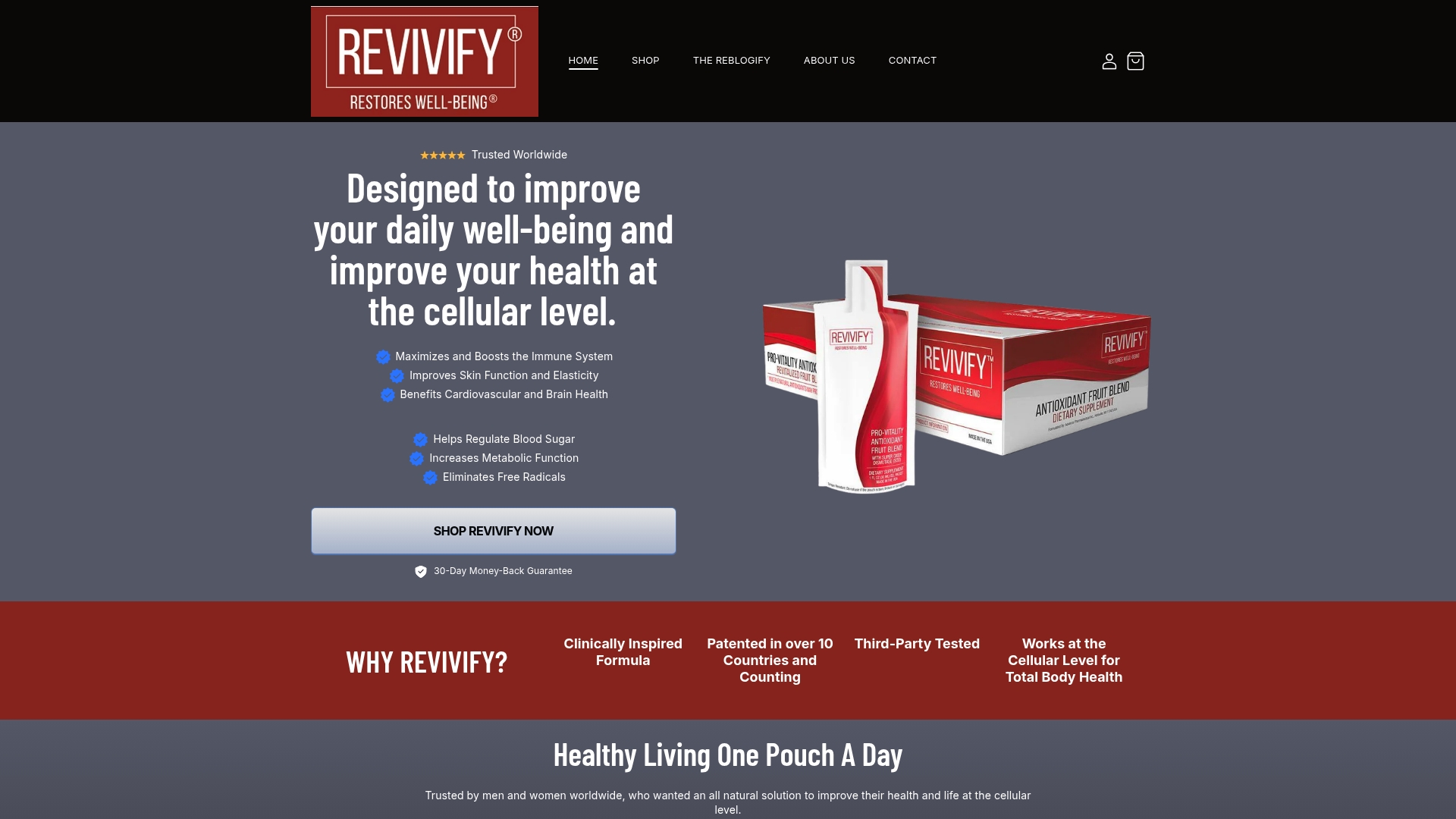
If you’ve recognized several of these symptoms in yourself, the next step is giving your body the cellular-level support it needs. At Tryrevivify, we’ve built a supplement specifically designed to address oxidative stress at its source. Revivify combines superoxide dismutase (SOD), your body’s most powerful endogenous antioxidant enzyme, with prebiotic fiber in a patented formula that supports free radical neutralization throughout the body. SOD is the first responder in your antioxidant defense system, and most supplements don’t even attempt to support it. Revivify does. Explore the 30-day supply and see how targeted cellular support fits into your management plan.
FAQ
What are the most common oxidative stress inflammation symptoms?
The most common symptoms include persistent fatigue, brain fog, joint stiffness, digestive irregularities, mood changes, recurring headaches, and slow recovery after exercise. These symptoms are often vague and mistaken for normal aging, but their persistence and overlap are the key signal.
How do I know if my fatigue is from oxidative stress?
Fatigue from oxidative stress is typically unrefreshing, meaning sleep doesn’t resolve it, and it often worsens after physical or mental exertion. When it appears alongside other symptoms like brain fog or joint aching, an underlying inflammatory process is likely involved.
Can lifestyle changes actually reduce oxidative stress?
Yes. Regular moderate exercise, anti-inflammatory nutrition, quality sleep, and stress reduction all upregulate your body’s natural antioxidant defenses. Lifestyle factors are the primary drivers of the oxidative stress cycle and the most effective levers for managing it.
What is the difference between acute and chronic inflammation symptoms?
Acute inflammation produces localized redness, swelling, heat, and pain in response to injury or infection. Chronic inflammation symptoms driven by oxidative stress are systemic and non-localized, presenting as fatigue, mood changes, digestive issues, and diffuse joint discomfort that persist over weeks or months.
Do antioxidant supplements help with oxidative stress symptoms?
Supplements like curcumin, astaxanthin, and SOD-based formulas can modulate inflammation and support antioxidant defenses. However, they are most effective as complements to foundational lifestyle habits, not replacements for them.