

Rebuild Immune Health with Supplements: 2026 Guide
Rebuilding immune health with supplements is a structured process, not a quick fix. Your immune system depends on specific nutrients, a balanced microbiome, and consistent daily habits to function at full capacity. Vitamins C and D, zinc, probiotics, and herbal immunomodulators like elderberry and echinacea each play a defined role in immune recovery. The CDC confirms that supplements fill nutrient gaps but work best alongside foundational lifestyle habits. A full recovery protocol typically spans 8–12 weeks, with microbiome restoration taking up to 24 weeks in cases of significant depletion.
Which supplements are most effective for rebuilding immune health?
The most evidence-backed immune support supplements fall into four categories: vitamins, minerals, probiotics, and herbal immunomodulators. Each targets a different layer of immune function, and using them together produces better results than relying on any single nutrient.
Vitamins C and D are the foundation. Vitamin C supports white blood cell production and acts as a direct antioxidant. Vitamin D regulates immune cell signaling and is deficient in a large share of the American population, particularly during winter months. Both are water and fat soluble respectively, which affects how and when you take them.

Zinc is the mineral most directly linked to immune cell development. Low zinc levels correlate with slower wound healing and higher infection susceptibility. Zinc also plays a role in reducing the duration of cold symptoms when taken early in illness.
Probiotics rebuild the gut microbiome, which houses roughly 70% of your immune tissue. Multi-strain probiotics delivering approximately 22 billion CFU daily, combined with prebiotics and postbiotics, support balanced microbiome and immune function. That level of CFU density matters because lower doses often fail to colonize the gut effectively.
Herbal immunomodulators like elderberry, echinacea, ashwagandha, and turmeric round out the protocol. Echinacea, zinc, and elderberry can shorten flu symptom duration if started within the first 48 hours, though they do not prevent infection outright. Ashwagandha and turmeric show promising results in early human trials for immune cell modulation, but the clinical evidence remains tentative and warrants cautious use. Understanding what a herbal immune modulator actually does at the cellular level helps you set realistic expectations before adding one to your stack.
| Category | Key Examples | Primary Benefit | Timing Note |
|---|---|---|---|
| Vitamins | Vitamin C, Vitamin D | Antioxidant defense, immune signaling | Take D with a fat-containing meal |
| Minerals | Zinc, Magnesium | Immune cell development, enzyme function | Take zinc with food to reduce nausea |
| Probiotics | Multi-strain, 22B CFU | Microbiome balance, gut immunity | Timing varies by strain; check label |
| Herbal immunomodulators | Elderberry, Echinacea, Ashwagandha | Symptom duration, immune modulation | Start within 48 hours of symptoms |
Pro Tip: Buy supplements with third-party certification seals such as USP, NSF International, or ConsumerLab. These seals confirm that what is on the label is actually in the capsule.
How to plan your supplement regimen for maximum immune recovery
A structured 8–12 week protocol is necessary to fully rebuild microbiome diversity and immune function after significant depletion. Treating this as a short-term fix produces short-term results.
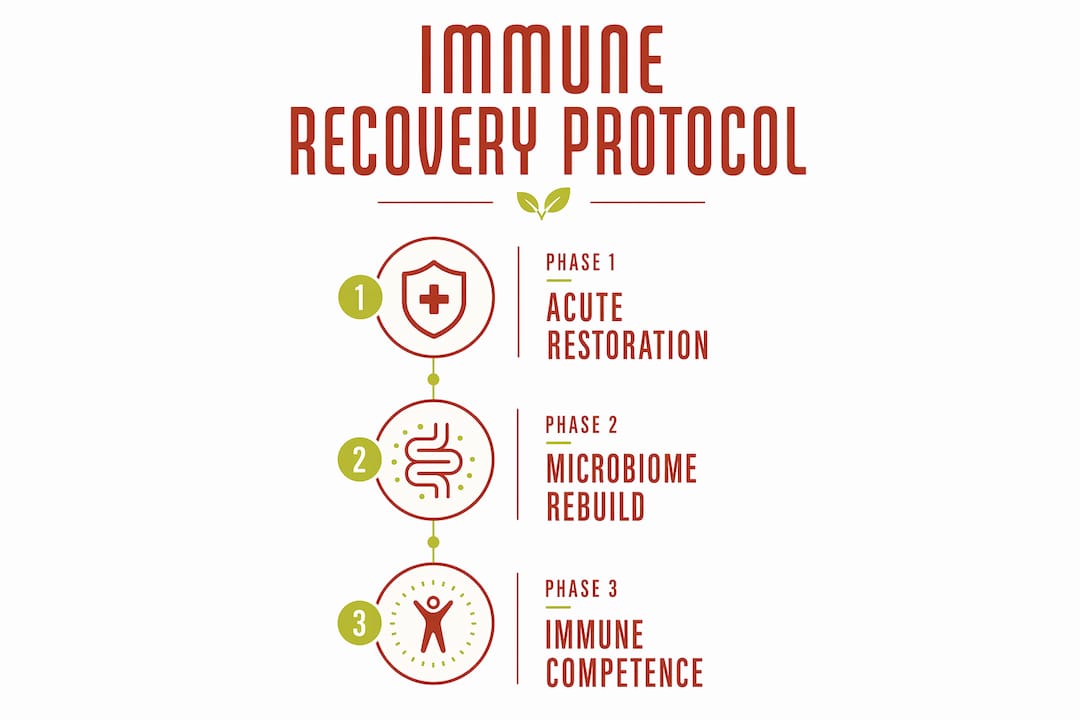
Phase 1: Acute restoration (weeks 1–2)
Start with the basics. Vitamin C, vitamin D, and zinc lay the nutrient foundation your immune cells need to function. These three address the most common deficiencies and give your body the raw materials to begin recovery. Take vitamin D with a meal containing healthy fats, such as avocado or olive oil, since it is fat-soluble and requires dietary fat for absorption.
Phase 2: Microbiome rebuild (weeks 3–8)
Introduce a high-CFU, multi-strain probiotic alongside a prebiotic fiber source. This phase is especially critical after antibiotic use. Recovery from immune dysregulation after antibiotics requires structured nutrient restoration and microbiome rebuilding well beyond a short probiotic course. Short courses simply do not allow enough time for beneficial bacteria to re-establish stable colonies.
Phase 3: Immune competence (weeks 9–12)
Add herbal immunomodulators like ashwagandha or elderberry extract during this phase. Your microbiome is more stable now, and your body can better use these compounds. Continue vitamins C and D as maintenance doses throughout.
| Supplement | Timing | Dose Range | Recovery Milestone |
|---|---|---|---|
| Vitamin D | With a fat-containing meal | 1,000–4,000 IU daily | Baseline nutrient restoration |
| Zinc | With food | 8–40 mg daily | Immune cell function restored |
| Multi-strain probiotic | Per label instructions | 10–22 billion CFU | Microbiome diversity improving |
| Elderberry extract | At symptom onset | Per product label | Symptom duration reduced |
| Ashwagandha | With food | 300–600 mg daily | Stress-immune axis supported |
Pro Tip: Fat-soluble vitamins must be taken with healthy fats for proper absorption, and zinc is better tolerated with food to reduce nausea. Getting these details right separates a protocol that works from one that just costs money.
What holistic lifestyle habits complement immune supplements?
Supplements fill nutrient gaps, but they do not replace the habits that drive immune health. The CDC is direct on this point: sleep, diet, exercise, and weight management are the primary drivers of immune function. Supplements amplify a good foundation. They cannot build one from scratch.
Diet diversity matters more than any single superfood. A plate that includes vegetables, fruits, lean protein, and whole grains gives your immune system the full spectrum of micronutrients it needs. Processed foods and excess sugar suppress immune cell activity, so reducing them is as important as adding the right foods.
Physical activity at moderate intensity, think brisk walking or cycling for 30 minutes most days, increases the circulation of immune cells throughout the body. Sleep is equally non-negotiable. During deep sleep, your body produces cytokines, the proteins that coordinate immune responses. Cutting sleep short cuts cytokine production short.
The daily habits that most consistently support immune function include:
- Sleep 7–9 hours per night. Cytokine production peaks during deep sleep stages.
- Eat a diverse diet. Aim for at least five different vegetables and fruits daily.
- Exercise at moderate intensity. Thirty minutes most days supports immune cell circulation.
- Manage body weight. Excess adipose tissue produces inflammatory signals that suppress immunity.
- Limit alcohol. Heavy alcohol use disrupts the gut microbiome and impairs immune signaling.
- Avoid smoking. Smoking damages the mucosal barriers that serve as your first line of defense.
- Manage stress actively. Chronic stress elevates cortisol, which directly suppresses immune activity.
Herbal supplements suit busy lifestyles particularly well when the habits above are already in place, because the body is primed to use them effectively.
How to safely choose and integrate immune support supplements
Choosing the wrong supplement is worse than choosing none. Supplements carry real risks, including side effects and dangerous interactions with medications or existing health conditions. This is not a theoretical concern. It is a documented clinical reality.
“Before starting any new supplement regimen, consult a healthcare professional, particularly a pharmacist who can review your full medication list. A supplement that is safe in isolation may become harmful when combined with a prescription drug. Professional review is the single most effective safety step you can take.”
The most common mistakes people make when selecting immune support supplements include:
- Skipping professional consultation. A pharmacist or physician can flag interactions before they become problems.
- Ignoring third-party testing. Labels are not regulated the same way drugs are. Third-party seals verify actual contents.
- Choosing based on price alone. Cheaper products often use lower-quality ingredient forms with reduced bioavailability.
- Stacking too many supplements at once. Adding multiple new supplements simultaneously makes it impossible to identify what is helping or causing side effects.
- Ignoring the DoD scorecard. The Department of Defense supplement safety scorecard is a free tool that rates product safety. Products scoring below 4 should be avoided.
Reading labels carefully is non-negotiable. Look for the active ingredient form, not just the name. For example, magnesium glycinate absorbs better than magnesium oxide. Vitamin D3 is more bioavailable than D2. These distinctions determine whether a supplement actually works. For a deeper look at supplement safety practices, the principles of quality and professional oversight apply across every category.
Key Takeaways
Rebuilding immune health with supplements requires a phased 8–12 week protocol, high-quality products, and foundational lifestyle habits working together.
| Point | Details |
|---|---|
| Use a phased protocol | Follow an 8–12 week plan covering nutrient restoration, microbiome rebuild, and immune competence. |
| Prioritize quality and testing | Choose supplements with third-party certification seals to confirm label accuracy and ingredient purity. |
| Time supplements correctly | Take fat-soluble vitamins with food, zinc with meals, and probiotics per strain-specific instructions. |
| Lifestyle habits are non-negotiable | Sleep, diet, exercise, and stress management drive immune function; supplements support but cannot replace them. |
| Consult a professional first | A pharmacist or physician review prevents dangerous drug-supplement interactions before they occur. |
What I’ve learned from rebuilding immunity the hard way
After years of writing about health and watching people cycle through supplement protocols that produce no results, I’ve come to one firm conclusion: most people start in the wrong order. They buy the supplements before they fix the sleep. They add elderberry before they cut the processed food. Then they wonder why nothing changed.
The 8–12 week timeline is real, and it requires patience that most supplement marketing does not prepare you for. I’ve seen people abandon a protocol at week four, right before the microbiome begins to stabilize. That is the most common and most costly mistake.
Quality matters more than quantity. A single well-formulated probiotic with clinically studied strains outperforms a cabinet full of cheap, unverified capsules. The DoD scorecard is a tool I recommend to everyone who asks me where to start. It removes the guesswork from a market that is genuinely difficult to navigate without it.
The supplements that work best are the ones you take consistently, at the right time, in the right form, alongside a diet and sleep schedule that give them something to build on. There is no shortcut. But the protocol, done correctly, produces measurable results within three months. That is worth the effort.
— Larry
Tryrevivify and your immune recovery protocol
Rebuilding your immune system takes the right foundation, and the formulation matters as much as the commitment.
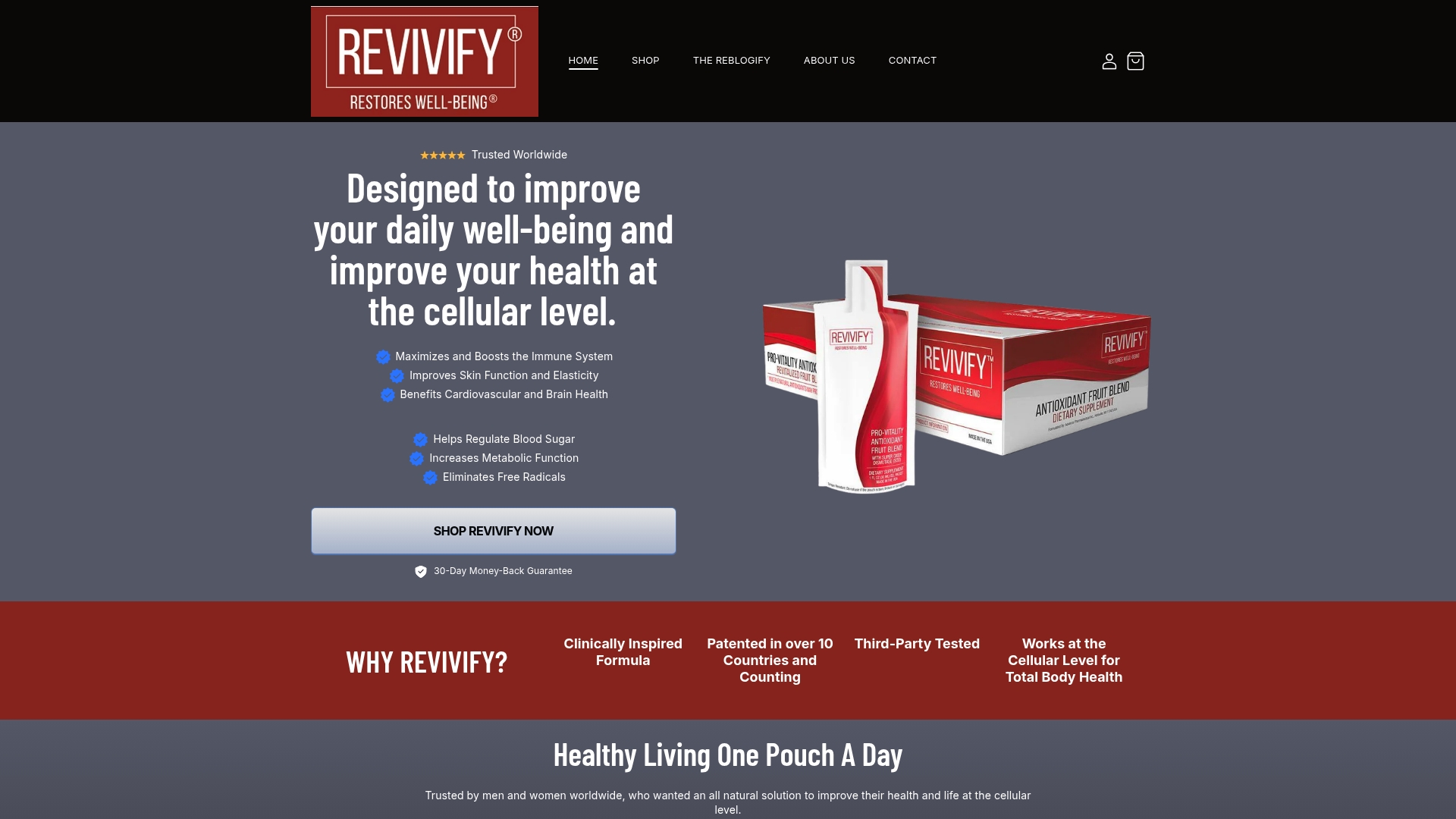
Tryrevivify’s Revivify® 30-Day Supply is built around a patented combination of superoxide dismutase and prebiotic fiber, two compounds that address immune health at the cellular level. Superoxide dismutase neutralizes free radicals before they damage immune cells. The prebiotic fiber feeds the beneficial bacteria your microbiome needs to support immune signaling. This dual-action formula aligns directly with the phased recovery protocol covered in this article. For those serious about strengthening immune function with a clinically grounded approach, Tryrevivify offers a clear and transparent starting point.
FAQ
How long does it take to rebuild immune health with supplements?
A full immune recovery protocol spans 8–12 weeks for immune competence, with complete microbiome restoration taking up to 24 weeks after significant depletion. Consistency throughout the full protocol is what produces lasting results.
What are the best supplements for immune system recovery?
Vitamin C, vitamin D, zinc, and multi-strain probiotics form the core of any evidence-based immune recovery stack. Herbal immunomodulators like elderberry and echinacea add targeted support, particularly when started within 48 hours of symptom onset.
Can supplements prevent illness?
Supplements do not prevent infection. Echinacea, zinc, and elderberry can shorten illness duration when used early, but no supplement replaces vaccination or consistent healthy habits as a prevention strategy.
Is it safe to take multiple immune supplements at once?
Stacking multiple supplements carries real risks, including side effects and drug interactions. Consult a pharmacist or physician before combining supplements, and introduce new products one at a time to identify any adverse reactions.
What is the DoD supplement safety scorecard?
The Department of Defense supplement safety scorecard is a free consumer tool that rates supplement products for safety and quality. Products scoring below 4 on the scorecard should be avoided, as they present elevated risk of contamination or inaccurate labeling.