

Natural Anti-Inflammatory Supplement Types That Work
The most effective natural anti-inflammatory supplement types are omega-3 fatty acids, turmeric (curcumin), ginger, vitamin D, and boswellia. Each works through distinct biochemical pathways, and the research behind them is more rigorous than most supplement categories. Here is what the science actually supports:
- Omega-3 fatty acids (EPA/DHA): Inhibit TNF-α, IL-1b, COX-2, and leukotriene pathways; reduce joint inflammation and may reduce NSAID dependence
- Turmeric (curcumin): Suppresses NF-kB, COX-1, and COX-2; clinically studied for osteoarthritis and rheumatoid arthritis
- Ginger: Blocks inflammatory proteins; comparable to ibuprofen in some studies for low-grade and chronic inflammation
- Vitamin D: Dampens proinflammatory cytokines; most effective in people with lower baseline levels
- Boswellia: Boswellic acids inhibit COX-2 and inflammatory cytokines; studied for osteoarthritis and inflammatory bowel disease
- Capsaicin: Depletes substance P and inhibits NF-kB; primarily used in topical form for joint and nerve pain
- Resveratrol: Interferes with NF-kB signaling; absorption challenges limit its real-world impact
Effectiveness is dose-dependent and varies by individual. Dr. JoAnn Manson, an endocrinologist at Harvard Medical School, notes that people who benefit most from omega-3 and vitamin D supplements are those who start with lower dietary intake. No single supplement replaces a comprehensive approach.
Table of Contents
- What do the best natural anti-inflammatory supplements actually do?
- What safety risks should you know before starting these supplements?
- How lifestyle changes make your supplements work harder
- How Tryrevivify approaches cellular inflammation support
- Tryrevivify supports your inflammation strategy at the cellular level
- Key Takeaways
What do the best natural anti-inflammatory supplements actually do?
Omega-3 fatty acids, found in fish oil, are among the most clinically validated plant-based and animal-derived anti-inflammatories available. EPA and DHA convert COX enzymes toward prostaglandin E3, a natural anti-inflammatory agent that competitively blocks the highly inflammatory prostaglandin E2. They also suppress TNF-α and IL-1b. One study of 250 patients with cervical and lumbar disc disease found that 59% substituted fish oil for NSAIDs. The recommended daily dose is 1.5–5g of combined EPA and DHA, taken with meals.
Curcumin’s mechanism is well-mapped. It suppresses NF-kB, which researchers at the University of Arizona describe as “the apex of inflammatory cascades in the body.” Clinical trials show it reduces joint swelling and pain in osteoarthritis and rheumatoid arthritis patients. The catch is bioavailability: curcumin is poorly absorbed on its own.
Pro Tip: Pair curcumin with piperine (black pepper extract) or a fatty oil like avocado or olive oil. This combination significantly improves absorption and is why most quality curcumin supplements already include piperine in the formula.
Ginger works differently. It contains natural compounds that block specific inflammatory proteins rather than broadly suppressing immune pathways. Specialized ginger extracts reduce inflammatory markers in blood and have shown effects comparable to COX-2 inhibitors in arthritis studies. For chronic conditions like rheumatoid arthritis, consistent daily use matters more than dose size.

Vitamin D’s anti-inflammatory role is narrower than its reputation suggests. Rigorous trials have clarified that it benefits people with autoimmune-driven inflammation most. In the VITAL trial, participants who took vitamin D daily for five years had a 22% lower risk of developing autoimmune diseases such as rheumatoid arthritis, psoriasis, and lupus. Dosing should be guided by baseline blood levels.
Capsaicin from chili peppers produces localized relief by depleting substance P and inhibiting NF-kB. Topical capsaicin formulations are now widely used for post-herpetic neuralgia, osteoarthritis, and fibromyalgia. One study showed a substantial reduction in joint pain after weeks of regular topical use.
What safety risks should you know before starting these supplements?
Natural does not mean risk-free. Several herbal anti-inflammatory remedies carry real drug interaction risks that are easy to overlook.
- Blood-thinning botanicals: Ginger, garlic, and white willow bark all have anticoagulant properties. Combined with prescribed blood thinners like warfarin, they can increase bleeding risk.
- Pregnancy and special populations: Pregnant women, nursing mothers, elderly individuals, and children require extra caution. Many herbal supplements lack safety data for these groups.
- Dose dependency: More is not better. Excessive intake of concentrated supplements can cause adverse effects, including gastrointestinal upset, liver stress, and drug interactions.
- Product quality gaps: The supplement industry is not tightly regulated in the United States. Look for products certified by USP, NSF International, or manufactured in a cGMP-certified facility to verify label accuracy and purity.
Always disclose supplement use to your healthcare provider, especially if you take prescription medications or have a chronic condition.
How lifestyle changes make your supplements work harder
Supplements alone rarely resolve chronic inflammation. The NIH supports a multidimensional approach that combines supplementation with targeted lifestyle changes for sustainable results.
- Anti-inflammatory diet: Prioritize fiber-rich vegetables, fatty fish, berries, and olive oil. These foods supply antioxidants and phytonutrients that work alongside supplements at the cellular level.
- Regular exercise: Physical activity lowers circulating inflammatory markers, including CRP and IL-6. Even moderate movement, like 30 minutes of walking most days, produces measurable effects.
- Sleep and stress management: Chronic sleep deprivation and unmanaged stress both elevate cortisol and proinflammatory cytokines. Addressing these factors amplifies the benefit of any supplement protocol.
For a deeper look at oxidative stress and inflammation, combining diet and supplementation creates a feedback loop that no single pill can replicate alone.
How Tryrevivify approaches cellular inflammation support
At Tryrevivify, we built our formula around a different layer of the inflammation problem: oxidative stress at the cellular level. Revivify combines superoxide dismutase (SOD) with prebiotic fiber in a patented formula. SOD acts like the first runner in an antioxidant relay, neutralizing superoxide radicals before they trigger the downstream inflammatory cascade. Prebiotic fiber supports gut health, which research increasingly links to systemic inflammation control.
This approach complements the herbal anti-inflammatory remedies covered above rather than replacing them. For people managing chronic inflammation through multiple strategies, Revivify addresses the oxidative root that many single-ingredient supplements miss entirely.
- Choose supplements with transparent ingredient sourcing and third-party certification
- Pair cellular antioxidant support with targeted anti-inflammatory botanicals for broader coverage
- Track your response over 8–12 weeks before adjusting your protocol
Tryrevivify supports your inflammation strategy at the cellular level
Revivify is built for people who want to go beyond symptom management and address inflammation where it starts: inside the cell. Its patented SOD and prebiotic fiber formula targets free radical activity that drives oxidative stress, a root contributor to chronic inflammatory conditions.
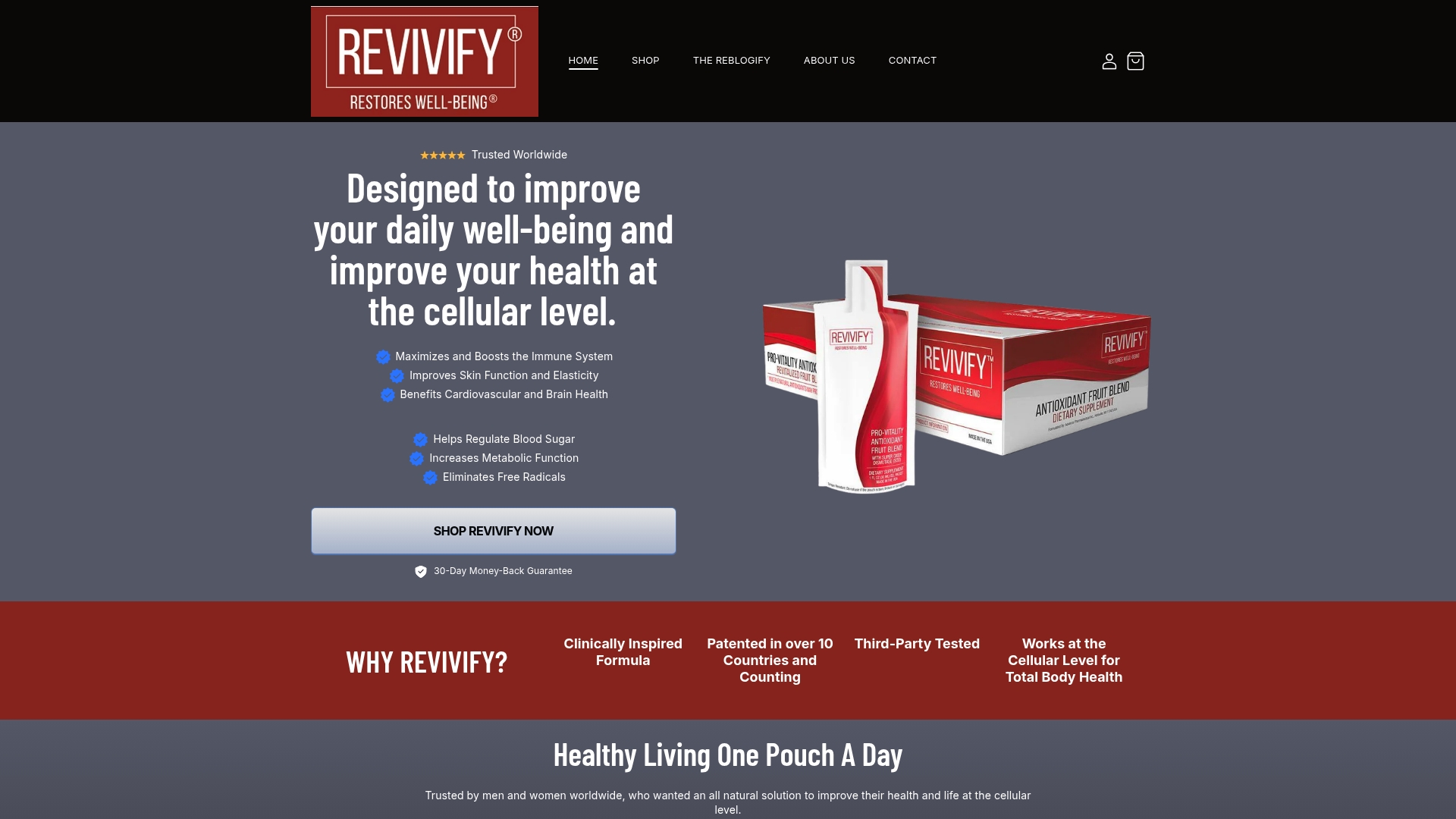
If you are already using omega-3s, curcumin, or vitamin D and want to add a formula that works at the cellular antioxidant level, Revivify fits naturally into that stack. Visit Tryrevivify to learn how the formula works and whether it fits your health goals.
Key Takeaways
Omega-3 fatty acids, curcumin, ginger, and vitamin D have the strongest clinical evidence among natural anti-inflammatory supplement types, and each works best when paired with lifestyle changes and quality-certified products.
| Point | Details |
|---|---|
| Top evidence-backed supplements | Omega-3s, curcumin, ginger, and vitamin D have the most rigorous human trial support for reducing inflammation. |
| Bioavailability matters | Curcumin requires piperine or fatty oils for meaningful absorption; without them, most passes through unused. |
| Safety is dose-dependent | Ginger, garlic, and willow bark can thin blood and interact with anticoagulants; always disclose use to your doctor. |
| Lifestyle multiplies results | NIH research supports combining supplementation with diet, exercise, and sleep for sustainable inflammation control. |
| Tryrevivify’s cellular approach | Revivify’s patented SOD and prebiotic fiber formula targets oxidative stress at the cellular level, complementing other anti-inflammatory supplements. |