

How to Increase Antioxidant Enzymes Naturally
You increase antioxidant enzymes most reliably by activating your body’s own defense pathways, not by flooding your system with outside antioxidants. That means leaning on Nrf2 inducing foods like cruciferous vegetables and polyphenol-rich produce, training consistently at a moderate intensity, and adding cofactors or targeted supplements only where your diet falls short.
The main enzymes worth knowing are superoxide dismutase (SOD), glutathione peroxidase (GPx), catalase (CAT), and the broader glutathione system that recycles them all. Each responds to different inputs: SOD and CAT to Nrf2 activating plant compounds, GPx and glutathione to sulfur-rich foods and specific cofactors.
- Eat cruciferous vegetables and polyphenol-rich foods regularly to trigger Nrf2 signaling
- Exercise at a moderate intensity at least three times a week
- Prioritize sleep and limit alcohol, which both drain glutathione reserves
- Consider evidence-backed supplements like NAC only after diet and exercise are dialed in, and talk to a doctor first if you take medication or manage a chronic condition
One caution before you go further: high doses of isolated antioxidant supplements can act as pro-oxidants instead of helping, which is exactly why the food-first approach below matters.
Table of Contents
- What Is the Nrf2 Pathway and How Does It Work?
- Which Foods Increase Antioxidant Enzymes the Most?
- Does Exercise Increase Antioxidant Enzyme Activity?
- Are Antioxidant Supplements Worth Taking?
- What Does a 6-Week Plan to Boost Enzymes Look Like?
- Where Does Revivify Fit Into This Approach?
- Sources
What Is the Nrf2 Pathway and How Does It Work?
Your cells don’t just soak up antioxidants passively. They manufacture their own, and the master switch for that production is a protein called Nrf2. Think of Nrf2 as a factory foreman who’s normally kept in a holding cell by a partner protein called KEAP1. When certain plant compounds show up, sulforaphane from broccoli sprouts and various polyphenols, they knock KEAP1 loose, and Nrf2 heads for the nucleus, where it switches on the genes that build SOD, GPx, catalase, and glutathione-related enzymes.
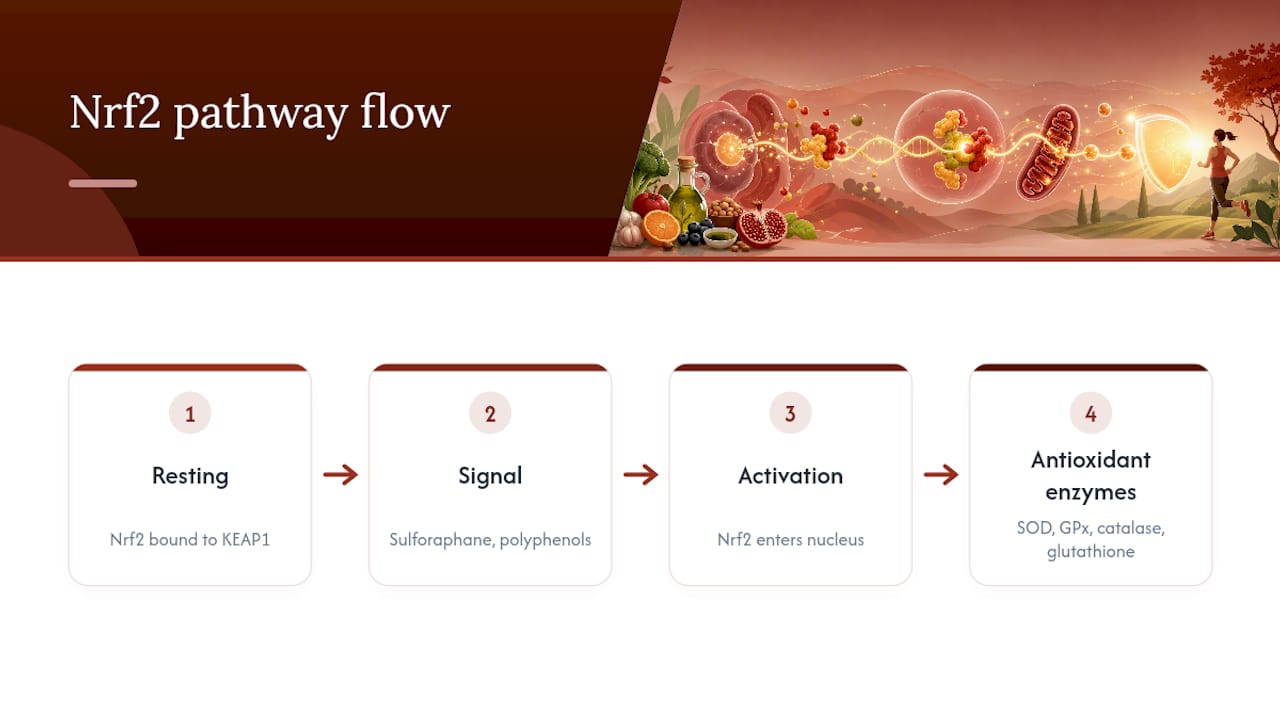
This is why dietary bioactive compounds function more like signals than like antioxidants themselves. A polyphenol in your smoothie doesn’t neutralize free radicals one-to-one the way vitamin C does. It tells your cells to build a standing army of enzymes that keep neutralizing threats long after that smoothie is digested.
SOD handles the first hit, converting superoxide radicals into hydrogen peroxide. Catalase and GPx finish the job, breaking that peroxide down into water. Glutathione fuels GPx and gets recycled by other enzymes in the same family. It’s a relay, and a weak link anywhere in the chain leaves oxidative damage unchecked.
One thing to know: age and genetics change how fast this system responds. Older adults and some genotypes need longer, more consistent stimulation to see the same enzyme increases a younger or more responsive person gets in weeks.
Which Foods Increase Antioxidant Enzymes the Most?
Cruciferous vegetables sit at the top of the list for a reason. Sulforaphane, the compound broccoli sprouts are famous for, activates KEAP1/NRF2/ARE signaling and measurably increases Phase II and antioxidant enzymes including NQO1, HMOX1, and several glutathione S-transferases in both human and animal studies. Broccoli sprouts carry far more sulforaphane potential per gram than mature broccoli, but regular servings of any cruciferous vegetable (kale, Brussels sprouts, cauliflower, cabbage) contribute to the same pathway.
Polyphenol-rich foods are the second pillar, as featured in this list of antioxidant rich beverage types including pomegranate juice, grape juice, and green tea, which support the polyphenol strategies discussed here. Intervention studies using pomegranate juice, grape juice, and berry-heavy diets have shown measurable increases in glutathione peroxidase, catalase, SOD, and total antioxidant capacity, though the effect size varies by genotype. Green tea belongs in this category too, and pairing it with citrus can help with polyphenol absorption.
Then there’s glutathione itself, which your body builds from sulfur-containing amino acids. Whey protein, poultry, eggs, and garlic all supply the raw material. Cofactors matter just as much: selenium (found in Brazil nuts and seafood), riboflavin (B2, found in dairy and eggs), and vitamin C (citrus, bell peppers) all support the enzymes that keep glutathione recycling.
- Cruciferous vegetables: broccoli sprouts, kale, Brussels sprouts, cabbage
- Polyphenol sources: pomegranate juice, grape juice, berries, green tea
- Glutathione precursors: whey protein, poultry, eggs, garlic, onions
- Cofactors: selenium (Brazil nuts, seafood), B2 (dairy, eggs), vitamin C (citrus, peppers)
Pro Tip: Lightly steaming cruciferous vegetables for 3 to 4 minutes preserves more sulforaphane than boiling, and pairing them with a mustard-family food (like a dab of mustard or a sprinkle of radish) reactivates the enzyme needed to form active sulforaphane after cooking.
Does Exercise Increase Antioxidant Enzyme Activity?
Yes, and the frequency matters more than most people assume. A systematic review and meta-analysis found that exercising at least three times a week at moderate-to-low intensity raises SOD and GPx activity along with total antioxidant capacity. The catch: very high-intensity training without adequate recovery can blunt or even reverse some of those gains, since the oxidative load outpaces your enzyme system’s ability to keep up.
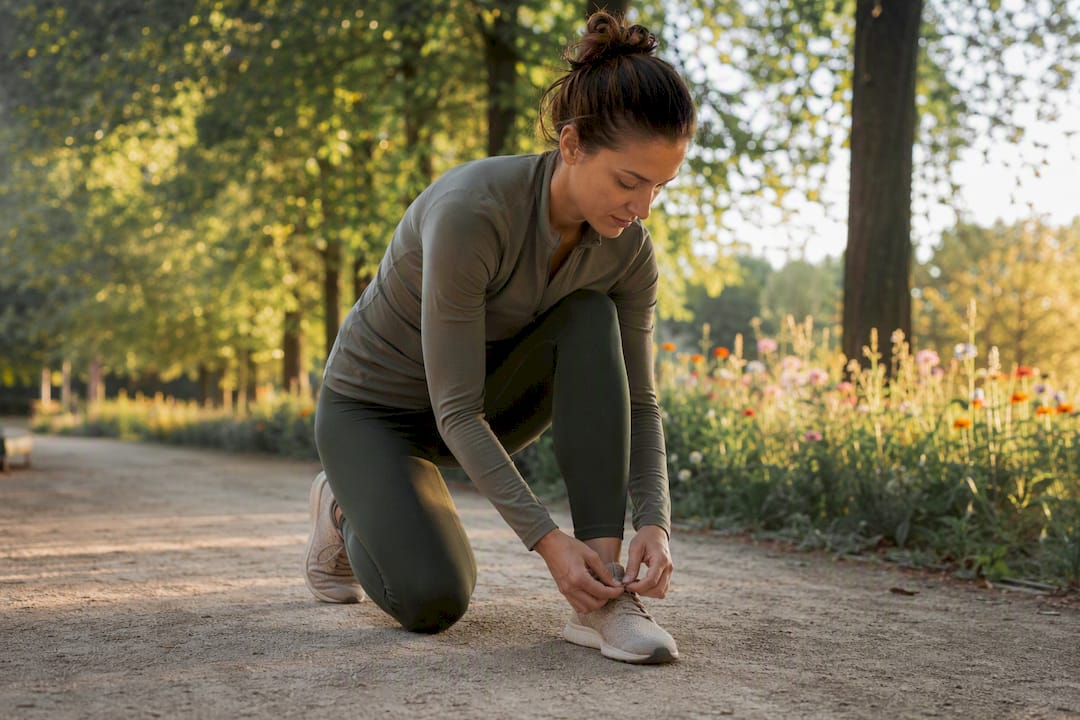
Sleep and alcohol matter almost as much. Poor sleep disrupts the nightly repair processes that replenish glutathione, and regular alcohol intake burns through glutathione reserves faster than most diets can replace them. Chronic stress adds another drain by keeping cortisol elevated, which interferes with the same signaling pathways sulforaphane and polyphenols try to activate.
A realistic weekly routine looks like this:
- Move your body at moderate intensity 3 to 4 times a week, brisk walks, cycling, or resistance training all count
- Protect 7 to 9 hours of sleep, especially the nights after a hard workout
- Cap alcohol intake and notice how recovery feels the next day
- Build in one deliberate stress-reduction habit, even 10 minutes of breathing work or a walk outside
Are Antioxidant Supplements Worth Taking?
Some are, with real caveats. N-acetylcysteine (NAC) is the most studied glutathione precursor, with human trials typically using 600 to 1,200 milligrams daily. GlyNAC, which pairs NAC with glycine, has drawn attention for addressing glutathione deficiency in older adults. Liposomal glutathione exists because oral glutathione on its own breaks down in the gut before it reaches your bloodstream. Wrapping it in a lipid layer helps more of it survive digestion.
Alpha-lipoic acid studies commonly use 200 to 600 milligrams daily, and selenium is worth watching closely, since intakes above roughly 400 micrograms a day carry a real toxicity risk.
There’s also newer evidence for SOD-rich extracts. A randomized crossover trial found that a marine microalgae-derived SOD supplement increased skeletal muscle expression of NRF2 and several antioxidant enzyme genes after just 14 days, alongside improved peak oxygen uptake.
- NAC: 600 to 1,200 mg/day in most trials
- Alpha-lipoic acid: 200 to 600 mg/day
- Selenium: stay under 400 mcg/day
- Liposomal glutathione: formulated for better absorption than standard oral glutathione
The bigger warning applies across the board: high-dose isolated antioxidants can behave as pro-oxidants rather than protectors, which is exactly why food and lifestyle changes come first, and why anyone on medication or managing a chronic illness should loop in a clinician before adding these at meaningful doses.
What Does a 6-Week Plan to Boost Enzymes Look Like?
Enzyme changes take weeks, not days, and everyone’s genotype and baseline health status change the timeline. Here’s a practical structure:
- Weeks 1 to 2: Add cruciferous vegetables to at least four meals a week and swap one daily drink for green tea or a polyphenol-rich juice.
- Weeks 2 to 4: Layer in 3 to 4 moderate-intensity workouts weekly and lock down a consistent sleep window.
- Weeks 4 to 6: If diet and exercise are consistent and you still feel you’re falling short, discuss a targeted supplement like NAC with a clinician, along with baseline labs if you have a relevant health concern.
Track how you feel: energy levels, recovery time after workouts, and sleep quality are reasonable proxies since most people won’t run enzyme panels at home.
Pro Tip: Keep a simple weekly log rating energy and recovery on a 1 to 10 scale. Small upward trends over four to six weeks are a more honest signal than day-to-day fluctuations.
Where Does Revivify Fit Into This Approach?
Revivify’s formula pairs superoxide dismutase with prebiotic fiber and polyphenols, aligning with the same food-first, enzyme-support logic covered above rather than replacing it. It’s built as a layer on top of the changes in the six-week plan, not a substitute for cruciferous vegetables or consistent training.
If your diet already leans plant-heavy and you exercise regularly but still want backup, this is where a product like Revivify becomes a reasonable addition. For a deeper look at the specific enzymes involved, Revivify’s blog breaks down antioxidant enzyme immune function in more detail.
A food-first approach, with room for good judgment
The evidence keeps pointing the same direction: your body already knows how to build these enzymes, and the smartest move is feeding that machinery rather than trying to outsource its job to a pill bottle. What gets underestimated is how much genotype and age shift the timeline. Two people doing the exact same six-week plan can see different results, and that’s not a failure of the plan.
I’d rather see someone commit to broccoli sprouts and three weekly walks for two months than chase a high-dose supplement stack they read about once. Small, boring, repeated actions beat ambition here. If you’re managing a chronic condition or taking medication, get a clinician’s input before adding anything beyond food and movement.
— Larry
Stimulating your body’s own antioxidant enzyme production through Nrf2 activating foods, consistent moderate exercise, and targeted cofactors works better than relying on high-dose isolated antioxidant supplements.
| Point | Details |
|---|---|
| Food signals beat pills | Sulforaphane and polyphenols activate Nrf2 to build enzymes internally, rather than acting as antioxidants themselves. |
| Exercise frequency matters | Moderate-intensity training at least three times weekly raises SOD and GPx activity more reliably than sporadic hard workouts. |
| Sleep and alcohol affect glutathione | Poor sleep and regular drinking both deplete glutathione faster than diet alone can replace it. |
| Supplements need caution | NAC and similar options have real study data, but high doses of isolated antioxidants can act as pro-oxidants. |
| Revivify complements the plan | Its SOD, prebiotic fiber, and polyphenol formula is designed to layer on top of food-first and exercise habits, not replace them. |
Ready to Layer Smarter Support Into Your Routine?
If you’ve made it this far, you already know that chasing antioxidant enzymes with a single miracle pill isn’t how the science works. What actually helps is a formula built around the same food-first logic, superoxide dismutase paired with prebiotic fiber and polyphenols, so it supports the pathways your broccoli sprouts and workouts are already activating.
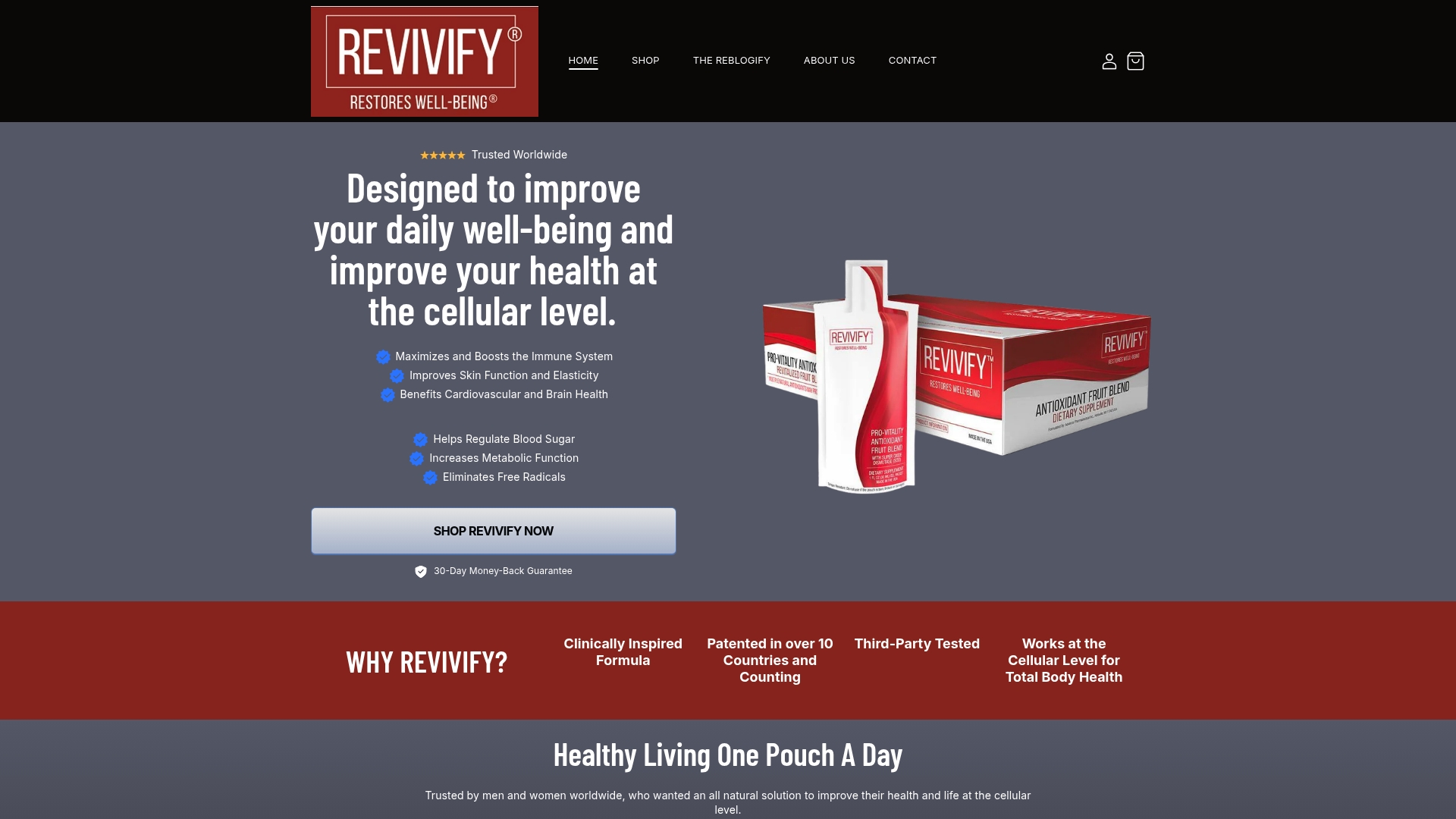
Revivify was built for people who’ve already got the fundamentals down and want a science-aligned way to fill the gaps diet alone might miss. It’s third-party tested, plant-based, and backed by a risk-free guarantee, with subscription pricing if you’d rather not think about reordering. Take a look at the Revivify product page to see the full formula and decide if it’s the right next step for your six-week plan. Supplements work best alongside the food and lifestyle habits above, not instead of them.
Sources
- Understanding antioxidants — Harvard Health
- Dietary bioactives and Nrf2 activation — RSC Food Frontiers
- Sulforaphane and induction of antioxidant enzymes — PMC review