

4–8 Weeks to Test Probiotic Strains for Lactose Intolerance
Probiotics can meaningfully reduce bloating, gas, and discomfort from dairy for many people, but they do not cure the underlying lactase deficiency that causes lactose intolerance. The strongest evidence points to specific strains of Lactobacillus and Bifidobacterium rather than probiotics as a category. If you want to test this for yourself, start with a studied strain or keep using lactase enzyme drops at meals, and talk to a clinician first if you are immunocompromised or managing a serious illness.
TL;DR:
- Probiotics containing Lactobacillus acidophilus or Bifidobacterium strains have the strongest evidence for reducing lactose intolerance symptoms.
- Effective probiotic doses are typically taken for four to eight weeks with consistent daily use, and higher CFU counts generally yield better results.
- Combining Bifidobacterium strains with prebiotic fiber, such as galacto-oligosaccharides, improves efficacy over probiotics alone, especially in feeding the beneficial bacteria.
- Always check that probiotic labels specify the genus, species, strain, and CFU count; vague blends are unlikely to be effective.
- Probiotics are generally safe for healthy adults but should be used cautiously by immunocompromised individuals or those with serious illnesses.
Table of Contents
- What the clinical evidence shows
- Which strains and formulations are most likely to help
- Dose, duration, and realistic expectations
- Safety, side effects, and who should avoid probiotics
- How to trial a probiotic for lactose intolerance
- Publisher perspective and E-E-A-T notes
- Optional: Revivify as an evidence-aligned option
- Sources
- FAQ
What the clinical evidence shows
The best available evidence comes from a meta-analysis of 12 clinical studies in adults with lactose intolerance, and the result is one of the more convincing findings in this corner of digestive health. Pooled data showed a significant reduction in symptoms among people taking probiotics compared with placebo.
One pooled analysis of 12 studies found a standardized mean difference of -4.96 (95% CI, -6.92 to -3.00) in symptom severity after probiotic use, a substantial effect size by clinical research standards. That is a large, consistent signal across trials rather than a marginal one.
Most of these trials relied on two measurement tools:
- Hydrogen breath testing, which tracks how much undigested lactose ferments in the colon
- Symptom severity scores, often tracked over a defined trial window rather than a single dairy challenge
The catch is that the underlying trials vary widely in which strains were tested, what doses were used, and how long participants were followed. A narrative review of 20 human trials found that Bifidobacterium and galacto-oligosaccharides (GOS) produced favorable results in several studies, but outcomes were not uniform. The evidence is strongest for short-term symptom relief and weaker for predicting exactly how long that relief lasts once supplementation stops.
Which strains and formulations are most likely to help
Not all probiotics behave the same way in the gut, and this is where label reading matters more than brand reputation. Lactobacillus acidophilus and several Bifidobacterium species show the clearest trial support for improving lactose digestion, largely because these organisms produce their own lactase-like enzymes that help break down lactose during fermentation.
Formulation details separate a well-supported product from a guess:
- Genus and species listed in full, such as Lactobacillus acidophilus or Bifidobacterium longum
- A specific strain code, since clinical benefits are tied to individual strains rather than entire species
- CFU count, not just a vague “probiotic blend” claim
- Storage instructions, since potency at the point of use depends on whether a strain needs refrigeration
Combining a Bifidobacterium strain with GOS, a type of prebiotic fiber, showed more promise in trials than probiotics taken alone, according to the same narrative review. This pairing, sometimes called a synbiotic approach, feeds the beneficial bacteria you are introducing rather than leaving them to compete for resources on their own. You can read more about how Lactobacillus and Bifidobacterium differ in their digestive roles if you want the fuller picture before choosing a product.
Pro Tip: Skip any label that lists only “probiotic blend” without naming a strain. If a company cannot name its strain, it usually cannot point to a trial that tested it.
Dose, duration, and realistic expectations
Clinical trials testing probiotics for lactose intolerance generally used higher, sustained doses rather than a single capsule taken once. Studies reviewed in the Bifidobacterium and GOS literature commonly ran for several weeks, and benefits tended to appear more clearly with consistent daily dosing rather than occasional use.
A few points are worth holding onto before you start:
- Most trials used a four to eight week window before measuring meaningful symptom change
- Higher CFU concentrations were associated with clearer results in several cited studies, though doses varied by strain
- Benefits from probiotics typically apply while you are taking them; the underlying lactase production in your small intestine rarely changes
That last point matters. Probiotics work by shifting how bacteria in your colon ferment lactose, not by restoring the enzyme your small intestine stopped producing. Think of it as managing the aftermath rather than fixing the source.
Safety, side effects, and who should avoid probiotics
Probiotics are generally considered safe for healthy adults, according to the NIH Office of Dietary Supplements, though that guidance comes with real caveats for certain groups. The most common side effects are mild and temporary: gas, bloating, or a short adjustment period as your gut microbiome responds to a new strain.
Before starting a probiotic regimen, run through this short checklist:
- Confirm the label lists genus, species, and strain, not just a generic category.
- Check the expiration date and storage instructions, since live organisms lose potency over time.
- Talk to your clinician first if you are immunocompromised, on immunosuppressant medication, or managing a serious illness, since rare but documented infection risks exist in high-risk patients.
- Stop and consult a clinician if you develop fever, unusual pain, or symptoms that worsen rather than improve.
A fuller breakdown of strain-specific side effects and a safety checklist covers the details if you want to dig deeper before buying anything.
How to trial a probiotic for lactose intolerance
Running your own trial does not require a lab, just some consistency and a way to track results.
- Choose a product with a named genus, species, and strain, and a CFU count on the label rather than a vague blend claim.
- Keep a symptom diary for the first week before changing anything, noting bloating, gas, and discomfort after dairy.
- Introduce the probiotic daily for four to eight weeks, the window most trials used before measuring change.
- Use small, controlled dairy challenges, a glass of milk or a serving of cheese, rather than guessing based on a full meal.
- Optionally compare results against lactase enzyme drops taken immediately before dairy, since NIDDK lists these as a primary symptomatic tool.
- If you can access hydrogen breath testing through a clinician, use it before and after the trial for an objective read on digestion.
- Maintain calcium and vitamin D intake throughout, since reducing dairy without a plan can create new nutritional gaps.
Pro Tip: Change one variable at a time. If you add a new probiotic and cut dairy and start a different diet in the same week, you will not know what actually helped.
For a practical reference on matching clinical doses to everyday capsule counts, this dosage conversion guide walks through the math clinicians use.

Publisher perspective and E-E-A-T notes
We built this guide around the clinical literature first, not the other way around. Our side effects and safety checklist and strain-level dosage conversions exist to help you read a label the way a clinician would, matching genus, species, strain, and CFU against what trials actually tested. Some companies sell gut-focused supplements, and transparency about product contents matters as much as the science itself.
— Larry
Optional: Revivify as an evidence-aligned option
If the strain-and-label checklist above feels like a lot to track down product by product, certain supplements are built around these criteria, combining lactobacillus with prebiotic fiber, superoxide dismutase, and polyphenols in a patented formula, and may be third-party tested.
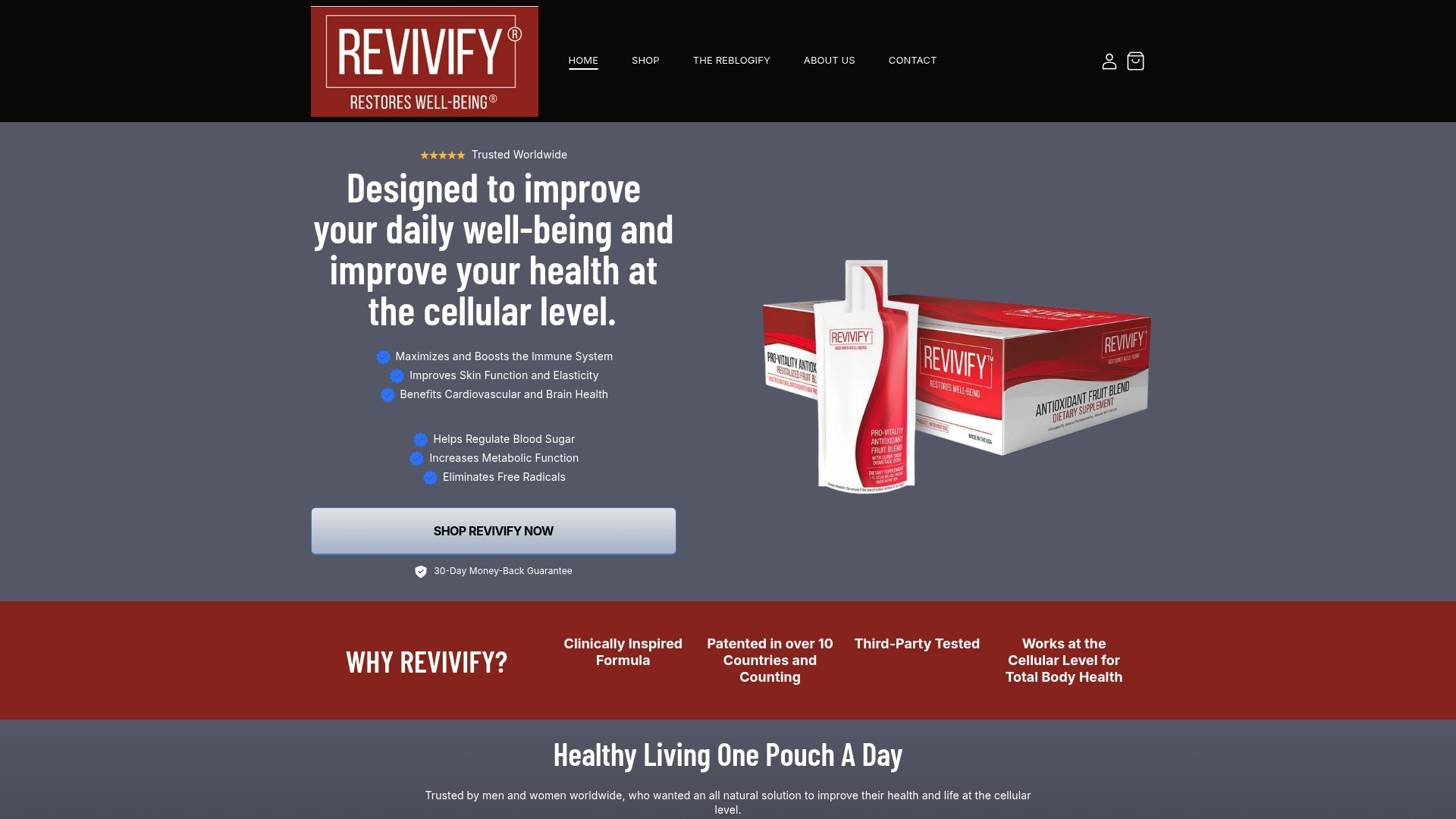
Here is how it lines up with the trial framework covered in this guide:
- Lactobacillus inclusion addresses the genus-level evidence discussed above
- Prebiotic fiber supports a synbiotic approach, similar to the GOS pairing studied in Bifidobacterium trials
- Third-party testing gives you a transparency check most generic probiotic blends skip
- The formula addresses digestion alongside broader cellular health, rather than targeting lactose symptoms in isolation
If you want to see how it fits into your own trial, the REVIVIFY® 30-Day Supply product page has the full ingredient breakdown.
Sources
- PubMed: Meta-analysis on probiotics and lactose intolerance
- A Narrative Review of Human Clinical Trials to Improve Lactose Digestion and Tolerance by Feeding Bifidobacteria or GOS
- NIDDK: Definition & facts for lactose intolerance
- NIH ODS: Immune Function and Probiotics (Health Professional)
This article is general information, not a substitute for advice from a qualified doctor. Consult a qualified healthcare professional about your own circumstances before acting on anything here.
FAQ
Can probiotics help with lactose intolerance symptoms?
Yes, for many people, though results depend heavily on the specific strain used. A meta-analysis of 12 clinical studies found a significant reduction in symptoms with probiotic use compared with placebo, but probiotics do not restore the lactase enzyme your small intestine stopped producing.
What is the best supplement for lactose intolerance?
There is no single best supplement, but lactase enzyme tablets or drops are the primary tool recommended by the NIDDK for immediate symptom relief before eating dairy. Probiotic strains such as certain Lactobacillus and Bifidobacterium species offer a complementary approach backed by clinical trial data, though individual response varies.
How do I heal my gut if I am lactose intolerant?
Lactose intolerance is not something probiotics or diet changes fully reverse, since it usually reflects a permanent drop in lactase production. You can manage symptoms through lactase enzymes, strain-specific probiotics, and limiting dairy portions, while making sure to maintain adequate calcium and vitamin D if you cut back on dairy.
Who should avoid taking probiotics?
People who are severely ill or immunocompromised should only use probiotics under medical supervision, since the NIH Office of Dietary Supplements notes rare but documented infection risks in high-risk patients. Healthy adults generally tolerate probiotics well, with mild gas or bloating as the most common transient effect.