

Free Radicals and Premature Aging Explained
Free radicals are unstable molecules that cause premature aging by attacking the cellular structures your body depends on to stay healthy and resilient. With unpaired electrons, they steal from neighboring molecules in a chain reaction called oxidative stress. When this process runs unchecked, it damages DNA, proteins, and lipids throughout the body. Free radicals premature aging explained is not just a biochemistry lesson. It is a practical roadmap for understanding why your skin ages faster than it should and what you can actually do about it.
How do free radicals cause premature aging at the cellular level?
Free radicals cause aging by damaging DNA, lipids, and proteins, triggering a cascade of cellular dysfunction that compounds over time. This is the core of what scientists call oxidative stress. Think of it as rust forming inside your cells. The damage is slow, invisible at first, and relentless.
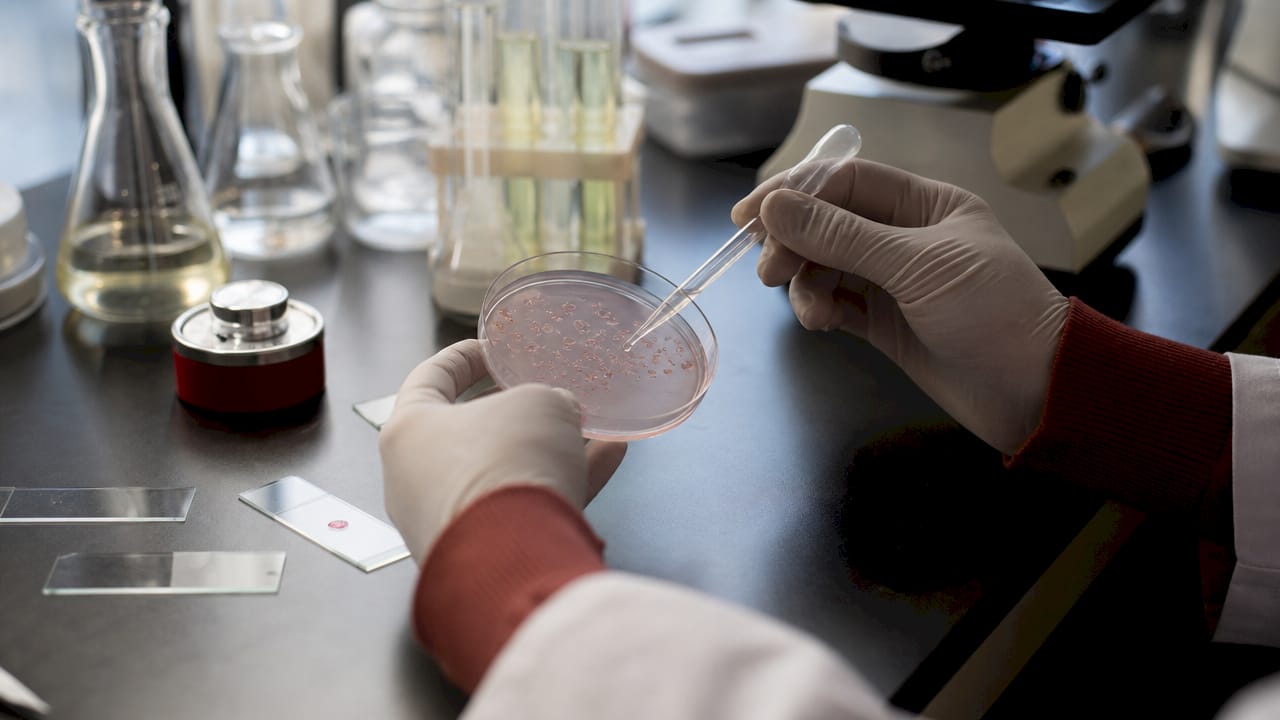
Reactive oxygen species (ROS) are the most studied class of free radicals in aging research. They activate matrix metalloproteinases (MMPs), enzymes that degrade collagen and elastin while simultaneously suppressing the body’s ability to produce new collagen. The result is a double blow to skin structure: existing support fibers break down, and replacement production stalls.
Mitochondria sit at the center of this problem. According to the free radical theory of aging, mitochondria generate ROS as a byproduct of energy production. Those ROS then damage mitochondrial DNA, which impairs energy output, which forces the mitochondria to work harder, which generates even more ROS. This feedback loop is one reason aging accelerates rather than progressing at a steady pace.
- DNA strand breaks: Free radicals sever DNA strands, causing mutations that impair cell replication and repair.
- Protein oxidation: Damaged proteins lose their shape and function, including enzymes responsible for cellular repair.
- Lipid peroxidation: ROS attack cell membrane fats, compromising barrier integrity and triggering inflammation.
- Mitochondrial decline: Damaged mitochondria produce less energy and more ROS, worsening the cycle.
Pro Tip: Antioxidants like superoxide dismutase (SOD) act as the first runner in a relay team, neutralizing superoxide radicals before they can damage mitochondrial DNA. Supporting SOD activity is one of the most direct ways to interrupt the aging feedback loop.
What factors amplify free radical damage and speed up skin aging?
Premature aging does not happen from free radicals alone. Both internal biology and external environment determine how fast oxidative damage accumulates. Understanding both sides gives you a clearer picture of your actual risk.
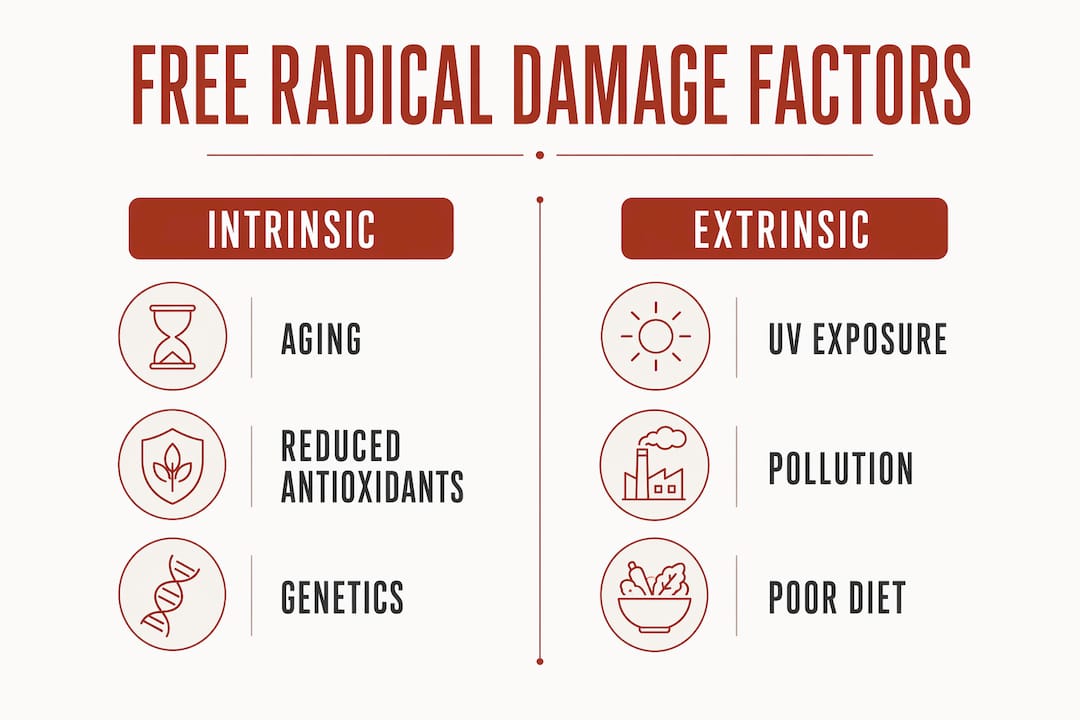
Intrinsic factors are the ones built into your biology. As you age, your body’s natural antioxidant defenses decline. Hormonal shifts, particularly the drop in estrogen during menopause, reduce the skin’s ability to neutralize ROS. Genomic instability increases, meaning cells become less efficient at repairing free radical damage to DNA. These changes are gradual but compounding.
Extrinsic factors are where lifestyle and environment play a decisive role. UV radiation is the single largest external source of ROS in skin tissue. Pollution particles generate free radicals on contact with skin. Cigarette smoke delivers a concentrated dose of oxidants directly to tissue. Poor diet, chronic stress, and disrupted sleep all reduce the body’s antioxidant reserves, leaving cells more exposed.
One often overlooked contributor is the skin microbiome. Microbiome changes and gut-skin axis dysbiosis promote inflammation and accelerate skin aging through immune activation and microbial byproducts. Loss of beneficial bacteria correlates with premature aging phenotypes. This means your gut health is not separate from your skin health. They are part of the same system.
- UV radiation from sun exposure
- Air pollution and particulate matter
- Cigarette smoke and secondhand smoke
- Chronic psychological stress
- High-sugar, low-antioxidant diets
- Gut microbiome imbalance and dysbiosis
- Declining hormonal antioxidant support with age
The synergy between these factors matters. UV exposure plus pollution plus a nutrient-poor diet does not just add up linearly. Each factor weakens the body’s defenses, making the others more damaging. That compounding effect is why two people of the same age can look decades apart in skin condition.
What practical strategies protect skin and body from oxidative damage?
Protecting yourself from free radical damage does not require eliminating all oxidative stress. That is both impossible and undesirable, since free radicals serve important immune functions. The goal is restoring balance between ROS production and your body’s ability to neutralize them. Successful skin protection focuses on supporting your body’s defense systems rather than attempting to eliminate all free radicals.
- Eat a wide range of antioxidant-rich foods. Vitamins C and E, polyphenols from berries and green tea, and carotenoids from orange and red vegetables all donate electrons to neutralize free radicals without becoming unstable themselves.
- Apply broad-spectrum SPF daily. UV radiation is the most preventable source of ROS in skin. SPF 30 or higher, applied consistently, reduces the daily oxidative load on skin cells significantly.
- Use topical antioxidants in your skincare routine. Vitamin C serums and niacinamide applied directly to skin intercept ROS before they reach deeper tissue layers.
- Exercise moderately and consistently. Moderate physical activity upregulates the body’s own antioxidant enzyme production, including SOD and catalase. Overtraining, however, generates excess ROS without adequate recovery time.
- Manage chronic stress actively. Cortisol depletes antioxidant reserves and promotes inflammation. Practices like structured breathing, sleep prioritization, and time outdoors measurably reduce oxidative burden.
- Limit alcohol and avoid smoking. Both flood the body with exogenous free radicals and deplete glutathione, one of the body’s primary internal antioxidants.
Emerging research points to PDRN (polydeoxyribonucleotide) as a targeted intervention. PDRN supports DNA repair and collagen synthesis while breaking the oxidative stress and inflammation cycle that follows sun or pollution exposure. For those seeking support beyond diet and lifestyle, a healthy aging action plan that integrates antioxidant supplementation with consistent habits offers the most durable protection.
Pro Tip: Aging research increasingly frames the problem as homeostatic network failure rather than simple wear and tear. Supporting your body’s compensatory mechanisms, through diet, sleep, and targeted supplements, is more effective than chasing any single antioxidant.
How does free radical damage show up in your skin over time?
The visible signs of oxidative aging appear long after the underlying damage has already accumulated. Excess free radicals cause silent cumulative damage before any wrinkle or sunspot becomes visible. This delay is one reason proactive prevention consistently outperforms reactive treatment.
Collagen and elastin degradation is the most structurally significant consequence. As MMPs break down these proteins faster than the body can replace them, skin loses firmness and elasticity. Fine lines deepen into wrinkles. Facial contours soften and sag. This process begins in your late twenties but accelerates sharply with cumulative UV exposure and lifestyle factors.
ROS also activate melanocytes, the cells responsible for pigment production. Overactivated melanocytes produce uneven deposits of melanin, resulting in sunspots, age spots, and conditions like melasma. The impact of free radicals on skin pigmentation is direct: ROS signal melanocytes to overproduce, and the skin records that signal as a visible mark.
Barrier dysfunction is the third major visible consequence. Lipid peroxidation damages the skin’s outermost layer, increasing transepidermal water loss (TEWL). Skin becomes drier, more reactive, and more sensitive to environmental triggers. This is why oxidatively stressed skin often feels tight, flaky, and prone to redness even without a diagnosed skin condition.
| Visible sign | Underlying mechanism |
|---|---|
| Wrinkles and fine lines | MMP-driven collagen and elastin breakdown |
| Sagging and loss of firmness | Elastin fiber fragmentation and reduced synthesis |
| Sunspots and uneven tone | ROS-activated melanocyte overproduction |
| Dryness and sensitivity | Lipid peroxidation increasing transepidermal water loss |
| Dull, uneven texture | Impaired cell turnover from oxidative DNA damage |
The oxidative stress and skin aging connection also extends to breakouts and inflammation, which are often overlooked as aging signs. Chronic low-grade oxidative inflammation disrupts the skin’s repair cycle, slowing the turnover that keeps skin looking fresh and even-toned.
Key Takeaways
Free radicals cause premature aging by triggering oxidative stress that degrades collagen, damages DNA, and disrupts skin barrier function long before visible signs appear.
| Point | Details |
|---|---|
| Free radicals damage cells silently | Oxidative stress accumulates for years before wrinkles or sunspots become visible. |
| Mitochondria drive the aging loop | ROS damage mitochondrial DNA, impairing energy output and generating even more free radicals. |
| Extrinsic factors compound intrinsic ones | UV, pollution, stress, and poor diet amplify the body’s natural decline in antioxidant defenses. |
| Balance, not elimination, is the goal | Free radicals serve immune functions; overusing antioxidants can be harmful. |
| Proactive habits outperform reactive fixes | Diet, SPF, sleep, and targeted supplements protect cells before damage becomes visible. |
Why I think most people approach antioxidants the wrong way
Most anti-aging advice treats antioxidants like a fire extinguisher. Use more, get more protection. That framing is wrong, and it leads people to chase supplements and serums without addressing the actual problem.
Free radicals are not purely the enemy. Your immune system uses them to kill pathogens. Your cells use them as signaling molecules. The real issue is chronic imbalance, where production outpaces your body’s capacity to neutralize. I have seen people load up on high-dose antioxidant supplements and wonder why their skin still ages. The answer is usually that they are ignoring UV exposure, sleeping poorly, and eating in ways that generate far more ROS than any supplement can offset.
What actually works is building a system. Consistent SPF use, a diet rich in whole foods, moderate exercise, and quality sleep create a baseline that no single supplement can replicate. Targeted support, like SOD-based formulas or PDRN treatments, works best on top of that foundation. Not instead of it.
The science on combating oxidative stress is clear: restoring homeostatic balance is more effective than flooding the system with antioxidants. Your skin’s defense systems are sophisticated. The job is to support them, not override them.
— Larry
Tryrevivify: cellular support designed for oxidative stress
Free radical damage is a systemic problem. It affects your skin, your heart, and every cell in between. Topical antioxidants reach the surface. Diet and lifestyle build the foundation. But cellular-level support requires something that works from the inside out.
Tryrevivify combines superoxide dismutase (SOD) with prebiotic fiber in a patented daily formula designed to support your body’s antioxidant defenses at the cellular level. SOD is the enzyme that neutralizes superoxide radicals before they can trigger the mitochondrial damage loop described above. The prebiotic fiber supports gut health, which directly influences the gut-skin axis and systemic inflammation. If you are serious about addressing oxidative stress at the source, Tryrevivify offers a science-backed starting point.
FAQ
What are free radicals and why do they cause aging?
Free radicals are unstable molecules with unpaired electrons that damage DNA, proteins, and lipids through oxidative stress. Chronic accumulation of this damage impairs cellular function and accelerates the aging process.
Can antioxidants fully prevent premature aging?
Antioxidants reduce oxidative damage but cannot fully prevent aging on their own. Overuse of antioxidant supplements can also be harmful, so consistent lifestyle habits combined with targeted support offer the most reliable long-term protection.
What does free radical damage look like on skin?
Free radical damage appears as wrinkles, sagging, sunspots, uneven tone, and increased skin dryness. These visible signs reflect years of silent collagen breakdown, melanocyte activation, and barrier dysfunction caused by oxidative stress.
Does the gut affect skin aging from free radicals?
Gut-skin axis dysbiosis promotes inflammation and accelerates skin aging through immune activation and microbial byproducts. Maintaining a balanced microbiome is a meaningful lever for reducing systemic oxidative stress.
How does superoxide dismutase (SOD) help fight aging?
SOD is the body’s primary enzyme for neutralizing superoxide radicals, the most common and damaging class of ROS. Supporting SOD activity interrupts the mitochondrial feedback loop that drives accelerated cellular aging.