

Protect Training Gains: Antioxidants and Exercise Strategy
Whole foods rich in antioxidants support recovery without much downside, but chronic high-dose vitamin C and E supplementation can blunt the training adaptations you’re working for. Short-term, targeted use has a place around deficiency, illness, travel, or back-to-back competition. For most training blocks, though, the science now points toward letting your body’s own enzyme systems do the heavy lifting, with a daily-support product like Tryrevivify filling the gaps food alone might miss.
TL;DR:
- Chronic high-dose vitamin C and E supplements can hinder long-term training adaptations by blocking the reactive oxygen species signaling essential for muscle and mitochondrial growth.
- Exercise-induced ROS act as signals to activate the body’s endogenous antioxidant enzymes and promote mitochondrial biogenesis, which are vital for improved endurance and strength.
- Short-term, targeted antioxidant use around illness, travel, or competitions supports recovery without impeding training progress, unlike daily megadoses of isolated vitamins.
- Whole foods provide a complex network of antioxidants that support health and recovery, whereas high-dose supplements may deliver excess compounds like vitamin C above 500 mg or vitamin E over 200 IU, risking adverse effects.
- Supporting the body’s natural enzyme systems through diet and targeted supplements, rather than unregulated high-dose vitamins, aligns better with current scientific understanding of training adaptation.
Table of Contents
- How Antioxidants and Exercise Interact at the Cellular Level
- Does Taking Antioxidants Help or Hurt Exercise Performance?
- Which Antioxidants and Doses Actually Matter?
- Building an Antioxidant-Rich Diet Without Undercutting Your Training
- When Does Targeted Antioxidant Supplementation Make Sense?
- How to Time Antioxidant Support Around Your Training Calendar
- What Are the Risks of High-Dose Antioxidant Supplements?
- Our Take on the Antioxidant Supplement Debate
- Where Tryrevivify Fits Into Your Recovery Routine
- Sources
How Antioxidants and Exercise Interact at the Cellular Level
Every hard workout floods your muscle cells with reactive oxygen species, or ROS. That sounds like a problem to solve. It’s actually closer to a signal your body is designed to listen for.
Mitochondria generate ROS as a natural byproduct of producing energy, and the harder you push, the more they generate. But mitochondria aren’t the only source. Enzymes called NADPH oxidases, specifically the NOX2 and NOX4 isoforms, deliberately produce ROS in working muscle as part of normal cell signaling, not as an accident of metabolism. Timing matters here: ROS output rises sharply during exercise itself and stays elevated for a window afterward, which is exactly when the signaling reviews on exercise adaptation show the most important downstream effects taking shape.
Those downstream effects are the whole point of training. Rising ROS levels activate a transcription factor called Nrf2, which then switches on genes for your endogenous antioxidant enzymes. This is the mechanism behind why exercise itself is the most reliable way to build a stronger internal defense system, a conclusion the ISSN position stand puts front and center. ROS signaling also helps trigger mitochondrial biogenesis, the process of building new mitochondria, which is a big part of why endurance training makes you more efficient over months, not just fitter for a day.
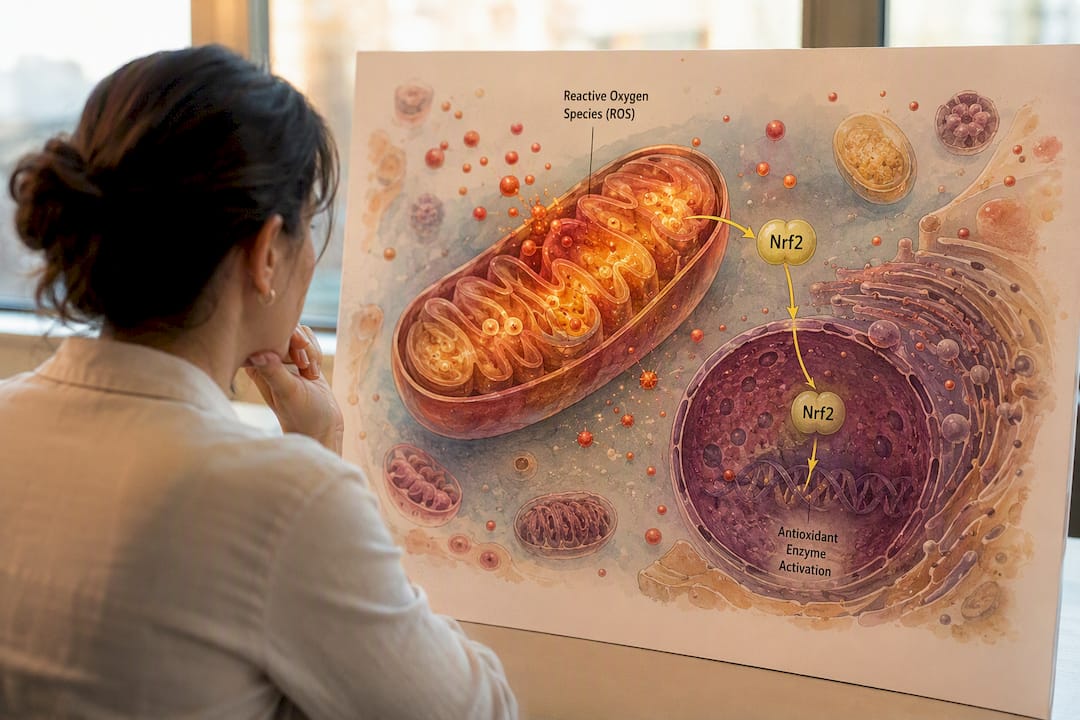
Think of oxidative stress the way you’d think of mechanical stress on a bone. A little bit, applied and removed in cycles, makes the structure stronger. Constant, unrelenting stress with no recovery just causes damage. Exercise physiologists call the beneficial version “eustress” and the harmful version “distress,” and the difference usually comes down to dose, recovery time, and your baseline antioxidant capacity.
Your body doesn’t wait for you to eat kale before it responds to this signal. It already runs three major endogenous antioxidant enzyme systems:
- Superoxide dismutase (SOD) neutralizes superoxide radicals almost the instant they form, acting as the first line of defense in the antioxidant relay.
- Glutathione peroxidase (GPx) breaks down hydrogen peroxide and lipid peroxides before they can damage cell membranes.
- Catalase finishes the job GPx starts, converting remaining hydrogen peroxide into water and oxygen.
These three enzymes work in sequence, each picking up where the last one leaves off. That’s the biological logic behind why boosting your body’s own enzyme production, rather than flooding your system with exogenous antioxidant molecules, tends to produce a more balanced result. It’s also the reasoning behind approaches that focus on increasing antioxidant enzymes naturally rather than defaulting straight to a vitamin megadose.
The practical takeaway: exercise-induced ROS aren’t the enemy. They’re closer to a training stimulus in their own right, one your body has evolved specific machinery to respond to. Interfering with that signal, which is exactly what some supplementation strategies do, is where things get complicated.
Does Taking Antioxidants Help or Hurt Exercise Performance?
The evidence splits cleanly along one line: are you measuring short-term recovery markers, or long-term training adaptations? Get that distinction wrong and you’ll misread the entire research landscape.
On the recovery side, a 2025 systematic review and meta-analysis pooling 26 randomized controlled trials and 505 athletes found antioxidant supplementation significantly reduced two common markers of exercise stress. Post-exercise lactate and creatine kinase, markers of muscle damage, were found to decrease with antioxidant supplementation, though the effect sizes varied across studies. Those are meaningful effect sizes on paper.
What the numbers actually mean: A large effect size on lactate and CK tells you supplementation can dial down the biochemical signature of hard exercise. It does not tell you the athletes recovered faster in ways that showed up on the field, and the review’s authors flagged high heterogeneity across studies, meaning results varied a lot depending on the athletes, the antioxidant type, and the dose used.
That heterogeneity is the catch. Different antioxidant compounds, doses, and athlete populations produced wildly different results, which means you can’t extrapolate a blanket “antioxidants help recovery” rule from this data. It’s a real signal on biomarkers, but biomarkers and lived performance don’t always move together.
Now flip to training adaptations, and the picture changes in a way that should give any serious athlete pause. The most cited study here is Ristow and colleagues’ 2009 trial published in PNAS. Subjects who combined high doses of vitamin C and vitamin E daily while training saw their exercise-induced improvements in insulin sensitivity essentially disappear. The molecular markers of adaptation that normally rise with training, including expression of the same antioxidant enzymes exercise is supposed to build, stayed flat in the supplemented group.
That’s not a subtle effect. It’s a direct demonstration that blocking the ROS signal with high-dose antioxidants can prevent your body from mounting the adaptive response training is supposed to produce in the first place.
The 2026 ISSN position stand tries to reconcile these findings into usable guidance, and it lands on a few clear points:
- Exercise itself is the primary driver of stronger endogenous antioxidant defenses, ahead of any supplement strategy.
- Supplementation should be considered situational, aimed at documented deficiency, inadequate diet, or periods of unusually high training distress rather than routine use.
- Some non-vitamin compounds, including tart cherry, astaxanthin, and omega-3 fatty acids, carry moderate to higher-quality evidence for recovery support without the same red flags around adaptation blunting.
So the honest summary is this: antioxidant supplements can measurably calm the biochemical noise of a hard session, but chronic high-dose use of isolated vitamins C and E carries real evidence of interfering with the adaptations that make training worthwhile in the first place. Those are two different questions, and conflating them is where most casual advice on this topic goes wrong.
Which Antioxidants and Doses Actually Matter?
Not all antioxidants behave the same way in your body, and lumping “vitamin C” in with “tart cherry extract” as though they’re interchangeable is a mistake that shows up constantly in supplement marketing.
Isolated, high-dose vitamin C and vitamin E are the compounds with the strongest evidence for blunting training adaptations. The Ristow trial’s dosing (1,000 mg vitamin C plus 400 IU vitamin E daily) is a useful reference point precisely because those numbers are common in over-the-counter multivitamin stacks and “recovery” formulas marketed to athletes. That’s a meaningfully higher dose than what you’d get from food, and it’s sustained daily use during active training, which appears to be the combination that causes problems.
Compare that to N-acetylcysteine (NAC), tart cherry concentrate, astaxanthin, and dietary polyphenols. These compounds don’t act as simple free-radical scavengers the way isolated vitamin C does. They influence inflammatory pathways and support recovery through mechanisms that haven’t shown the same adaptation-blunting signal in the trials the ISSN position stand reviewed. That doesn’t mean they’re risk-free or universally beneficial, but the evidence pattern looks different.
A few practical rules follow from this:
- Avoid chronic, daily high-dose vitamin C or E supplementation at doses similar to those tested in research during periods when building fitness or strength is the primary goal.
- Reserve isolated vitamin megadoses, if you use them at all, for short windows around illness, travel stress, or documented deficiency, not as a year-round training habit.
- Favor compounds with more targeted evidence, such as tart cherry or astaxanthin, for short-term recovery support during heavy competition stretches.
- Check third-party testing and label transparency before choosing any product. Dose accuracy varies more than most people assume across the supplement industry.
Pro Tip: If you’re unsure whether a “recovery” supplement falls into the risky high-dose category, check the label for vitamin C above roughly 500 mg or vitamin E above 200 IU per serving taken daily. Those are the ranges where the research starts raising flags, especially when combined with each other.
Timing is the piece most people skip entirely. A supplement that’s fine used for five days around a multi-day tournament is a different proposition than the same supplement taken every day for a five-month training block. The dose matters, but so does the duration and what your training is asking your body to do during that window.
Building an Antioxidant-Rich Diet Without Undercutting Your Training
Food-first isn’t a slogan here. It reflects a real biochemical difference between how your body processes antioxidants embedded in whole foods versus isolated compounds in a capsule.
Harvard’s Nutrition Source makes the point plainly: antioxidant capacity is one property among hundreds in a piece of fruit or a handful of greens, and it’s the network of compounds working together, not any single molecule in isolation, that’s associated with better long-term health outcomes. Isolated high-dose supplements don’t replicate that network. They deliver one compound at a concentration your body rarely encounters from food, which appears to be part of why the effects diverge so sharply from what whole foods produce.
Here’s how to build that network into a training week without overthinking it:
- Anchor breakfast or your morning snack around berries. A cup of blueberries or mixed berries delivers anthocyanins alongside fiber and natural sugars, useful before a moderate session.
- Use tart cherry juice around competition, not daily training. An 8-ounce serving twice a day for a few days around a race or tournament is the pattern most often studied for recovery support, rather than a permanent daily habit.
- Add leafy greens to at least one meal a day. Spinach, kale, and arugula bring in lutein and vitamin K alongside a mix of polyphenols that isolated capsules don’t replicate.
- Include a serving of nuts or seeds for vitamin E from food, not a pill. A small handful of almonds or sunflower seeds gets you meaningful vitamin E without approaching supplement-level doses.
- Rotate in pomegranate, either as arils or juice, a few times a week. It’s one of the more polyphenol-dense fruits available and pairs well with post-workout meals.
- Treat tea and cocoa as bonus sources, not primary strategy. Green tea and dark chocolate (70% cacao or higher) both carry meaningful polyphenol content, and a cup or a square after dinner is a reasonable, low-risk habit.
None of this requires precision tracking. The goal is variety and consistency, which is a very different mental model than hitting a specific milligram target the way you would with a supplement. If you want a deeper look at how food choices interact with your body’s own enzyme output, the mechanisms behind combating oxidative stress and inflammation through diet are worth understanding alongside your training plan.
When Does Targeted Antioxidant Supplementation Make Sense?
There’s a real answer to “should I take antioxidants before exercise,” and it depends almost entirely on what you’re training for right now and whether your diet is actually covering your baseline needs.
Supplementation tends to make more sense in a handful of specific situations. Documented nutrient deficiency, confirmed through bloodwork rather than guesswork, is the clearest case. Athletes stacking multiple competitions in a short window, where recovery time between events is tight, are another. So are people dealing with heavy travel fatigue, altitude exposure, or unusually high pollution exposure, all of which raise oxidative load beyond what normal training produces.
The situations where you should avoid supplementation are just as clear. If you’re in the middle of a dedicated strength or endurance building block, where the entire point is to accumulate training stress and adapt to it, adding high-dose antioxidants works against your own goal.
- Get a dietary audit first. Most people assume they’re deficient in something before checking whether their actual food intake supports that assumption.
- Basic bloodwork (vitamin D, ferritin, a metabolic panel) tends to be more clinically useful than trying to measure oxidative stress biomarkers directly, which remain inconsistent and aren’t standardized for routine decision-making according to the ISSN position stand.
- Loop in a sports dietitian or physician before starting any high-dose regimen, particularly if you’re managing an existing health condition.
- Consider tart cherry, astaxanthin, or omega-3s as lower-risk options for short-term recovery support when supplementation is genuinely warranted.
The decision isn’t binary. It’s closer to a dial you adjust based on what phase of training you’re in and what your actual, tested nutritional status looks like.
How to Time Antioxidant Support Around Your Training Calendar
Redox-adaptive periodization sounds technical, but the core idea is simple: schedule antioxidant-heavy interventions away from the sessions where you most need the adaptive signal intact, and reserve them for windows where recovery matters more than adaptation.
Here’s how that plays out across a training month:
- Map your key adaptive sessions first. Identify your highest-intensity interval sessions, your heaviest hypertrophy days, and your longest endurance efforts. These are the sessions where ROS signaling is doing real work.
- Avoid high-dose antioxidant supplements within roughly 24 hours of those sessions, both before and after. This is the window where interfering with the signal appears to carry the most risk, based on the timing patterns described in reviews on antioxidant timing and adaptations.
- Reserve targeted antioxidant support for genuine recovery windows. Multi-day competitions, back-to-back tournament days, or the 48 hours after a maximal-effort event are reasonable places to bring in tart cherry or a polyphenol-based intervention.
- Track subjective recovery alongside actual performance markers. Sleep quality, perceived soreness, and session-to-session performance trends tell you more than a single lab value ever will.
- Reevaluate every training block. What made sense during a heavy hypertrophy phase might not apply once you shift into a taper or competition phase, so the strategy should move with your calendar, not stay fixed year-round.
Pro Tip: If you’re tapering into a major competition, that’s actually one of the more defensible windows to add short-term antioxidant support. You’re not chasing new adaptations during a taper. You’re protecting what you’ve already built, which changes the risk-benefit calculation.
A sample short-term protocol might look like this: two days before a multi-day tournament, start tart cherry concentrate twice daily, continue it through the event, and stop within a day or two of returning to normal training. That’s a fundamentally different exposure than year-round daily use, and it’s the kind of distinction that gets lost when supplement advice gets oversimplified.

What Are the Risks of High-Dose Antioxidant Supplements?
The harms here aren’t hypothetical, and they extend beyond simply blunting training gains. Some carry real clinical weight.
Beta-carotene supplementation in smokers has been linked to increased lung cancer risk in controlled trials, a finding serious enough that it changed clinical guidance around indiscriminate antioxidant use. High-dose vitamin E has been associated with increased bleeding risk, which matters enormously for anyone on blood thinners or heading into a surgical procedure. High-dose vitamin C can cause gastrointestinal distress, including diarrhea and cramping, at doses many people don’t realize they’re approaching when stacking multiple supplements.
- Beta-carotene megadoses carry documented cancer-risk concerns specifically in smokers and former smokers.
- Vitamin E in high doses increases bleeding risk, a serious consideration alongside anticoagulant medications.
- Vitamin C at high doses commonly causes GI upset and, in some cases, kidney stone risk in susceptible individuals.
- Certain antioxidants can interact with chemotherapy, potentially interfering with treatments designed to use oxidative stress against cancer cells.
The NCCIH is direct about this: there’s no consistent evidence that antioxidant supplements prevent chronic disease, and high-dose use can cause harm in specific populations. That combination, weak evidence for the benefit people are chasing and real evidence of harm in certain groups, is exactly why blanket recommendations don’t hold up. If you’re managing a chronic condition, taking any prescription medication, or currently undergoing cancer treatment, talk to your physician before adding any antioxidant supplement, and don’t treat a supplement as a substitute for a healthy diet or medical care your condition actually requires. For more on how oxidative processes intersect with tissue health long-term, the background on oxidative burden and tissue damage is worth a read before making any long-term supplementation decision.
Our Take on the Antioxidant Supplement Debate
Most of the popular advice on antioxidants and exercise still treats this as a simple “more is better” equation, and the research doesn’t support that framing anymore. The Ristow findings alone should have retired the idea that stacking high-dose vitamin C and E is a smart recovery hack. It isn’t. It’s a documented way to blunt the exact adaptations serious training is supposed to produce.
What gets underestimated, though, is how much nuance sits between “megadose vitamins daily” and “ignore antioxidants entirely.” Your body already runs a sophisticated enzyme defense system, one that gets stronger specifically because of the oxidative stress training creates. The smarter play isn’t fighting that system with isolated compounds. It’s supporting the machinery your body already builds, through diet, through training itself, and through targeted enzyme support when the goal is filling gaps rather than overriding a signal.
That’s the philosophy behind how Tryrevivify approaches this problem. Combining superoxide dismutase with prebiotic fiber isn’t an attempt to flood your system with antioxidant molecules the way a vitamin C megadose does. It’s aimed at supporting the enzyme systems your body already relies on to manage oxidative stress day to day, which lines up with the food-first, selective-supplementation approach the evidence actually supports rather than the blunt-force approach most supplement marketing still pushes.
The gap between what antioxidant supplements promise and what the data shows is real, and it’s worth taking seriously if you’re someone who trains hard enough for adaptation to actually matter.
— Larry
Where Tryrevivify Fits Into Your Recovery Routine
Tryrevivify is built for the exact gap this article just walked through: the space between blunting your training with high-dose vitamin megadoses and leaving your body’s own antioxidant enzyme systems under-supported. Instead of flooding your system with isolated vitamin C or E, the formula pairs superoxide dismutase with prebiotic fiber, polyphenols, and lactobacillus to support the enzyme pathways your body already uses to manage oxidative stress, without the adaptation-blunting profile seen with chronic high-dose vitamin stacking.
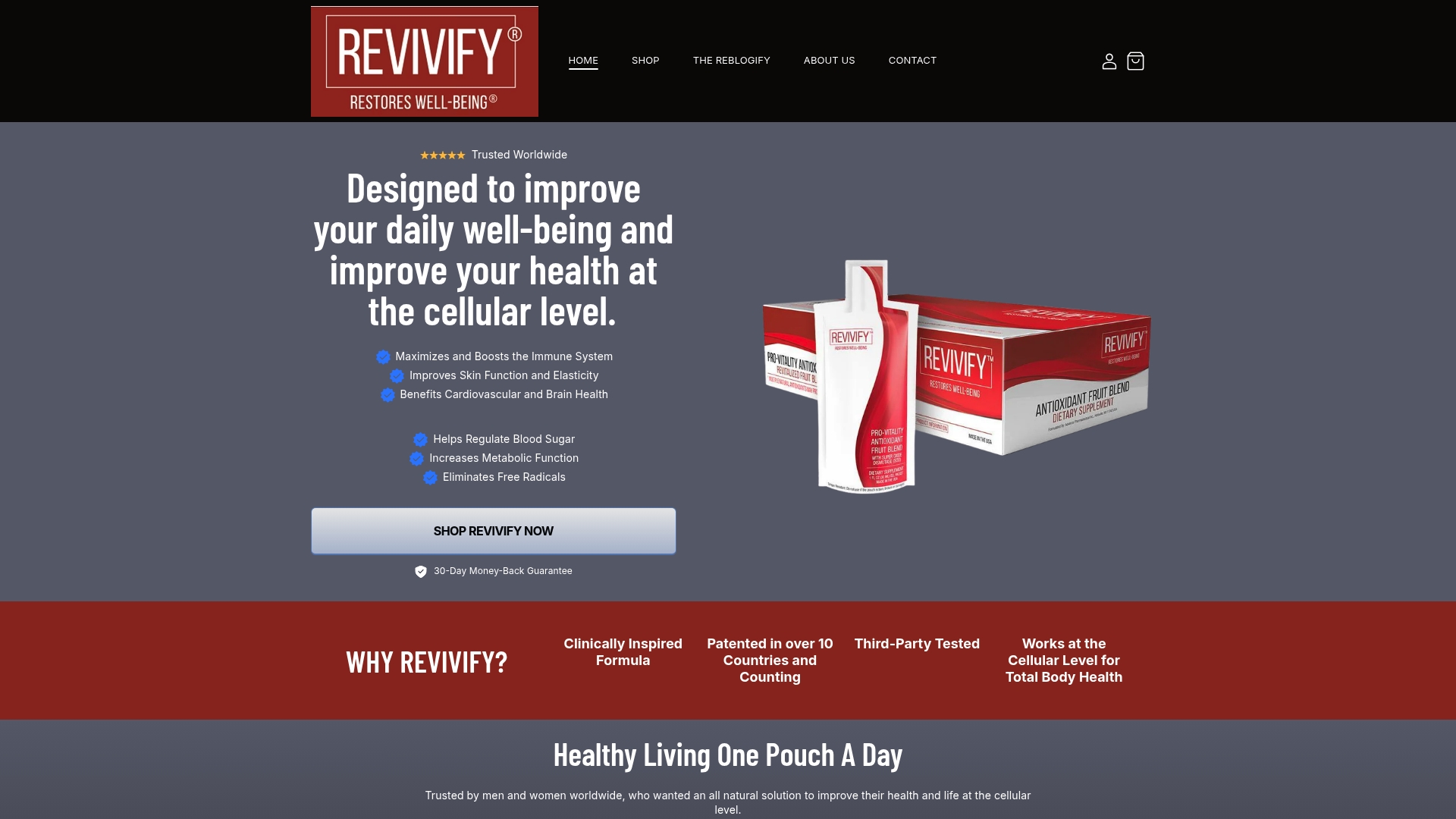
It’s a daily-support option worth considering if your diet handles the basics but you want consistent backing for cellular health, digestion, and recovery alongside training. The formula is plant-based and third-party tested. If you’re managing a chronic health condition, taking prescription medication, or currently in cancer treatment, talk to your physician before adding any new supplement to your routine. If daily enzyme-focused support sounds like the missing piece in your recovery strategy, visit the Revivify product page to see how the formula works and explore subscription options.
Sources
The ISSN position stand sets the current evidence-based framework for antioxidant use in sports nutrition. The 2025 meta-analysis quantifies recovery-marker effects across 26 RCTs. Ristow’s PNAS study remains the key trial on adaptation blunting. NCCIH and Harvard’s Nutrition Source offer grounded public health context, while the redox signaling review covers the underlying mechanisms.
This article is general information, not a substitute for advice from a qualified doctor. Consult a qualified healthcare professional about your own circumstances before acting on anything here.
- Effects of different antioxidants on exercise-induced oxidative stress and muscle damage in athletes: a systematic review and meta-analysis
- Antioxidants prevent health-promoting effects of physical exercise
- Antioxidant Supplements: What You Need To Know | NCCIH
- Antioxidants behave differently in isolated high doses versus in whole-food networks (review)